A Boogie Wit da Hoodie Vocal Chain Settings for Melodic Rap Hooks
An A Boogie Wit da Hoodie-inspired melodic rap hook chain should start with a clean, close vocal, key-locked pitch correction, smooth compression, mid-forward EQ, controlled de-essing, light saturation, narrow doubles, and dark delay throws. The goal is not to copy a private studio chain. The goal is to build the same kind of polished, emotional, melodic rap pocket where the lead stays centered, tuned, and smooth without becoming brittle or overproduced.
This sound works because the vocal feels melodic and intimate at the same time. The tuning is present enough to shape the hook, but the vocal still needs human phrasing. The compression is steady, but not crushed. The effects are noticeable around the edges, but the lead stays close enough for the words to land.
If you want a faster starting point for melodic rap hooks, use a vocal preset built for tuned leads, smooth compression, tight doubles, and polished effects.
Shop Vocal PresetsThe Real Target: Smooth Melodic Rap, Not A Secret Formula
Artist-style vocal chain articles can go wrong when they pretend to know an exact session chain. That is not the useful way to approach this. A home-studio producer does not need a fake list of secret plugins. They need to understand the sound target and the decisions that create it.
For this lane, the useful target is melodic rap with a centered lead, controlled Auto-Tune character, warm mids, soft transient control, and supporting layers that thicken the hook without stealing the lead. Compared with a bright pop-R&B vocal, this chain should stay a little darker and more grounded. Compared with a raw rap verse chain, it needs more pitch shape, more polish, and more support from doubles and effects.
The vocal should feel close even when the hook is melodic. If the chain becomes too bright, too wide, or too wet, it stops feeling like an emotional melodic rap hook and starts feeling like a generic pop vocal preset. Keep the center strong. Let the doubles and delay create movement around the lead instead of replacing the lead's presence.
Before The Chain: The Recording Has To Be Stable
Pitch correction works better when the source vocal is clean. A noisy room, clipped take, inconsistent distance from the mic, or heavy room reflections will make the chain less smooth. Before any plugin settings matter, the recording should be dry, close, and controlled.
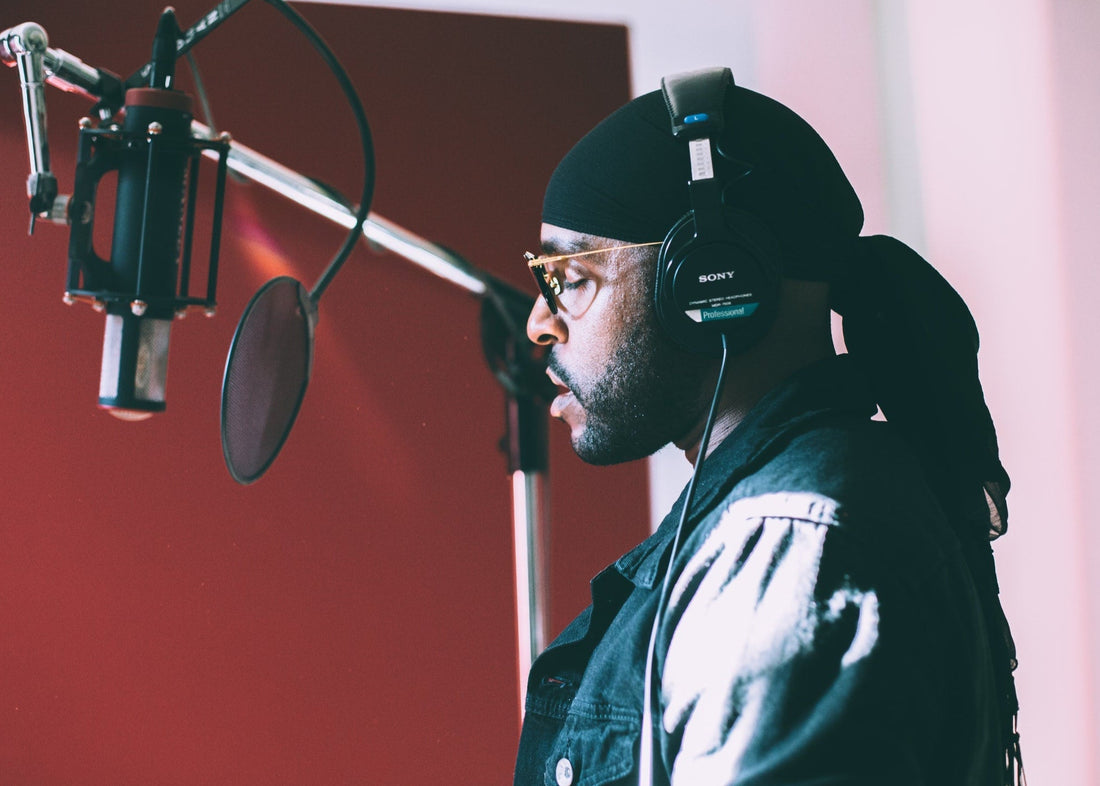
A good starting capture is simple: record dry, avoid clipping, keep the mouth a steady distance from the microphone, use a pop filter, and keep room reflections down. If the hook has soft melodic notes, do not record too far from the mic. Distance can make the vocal sound roomy, and room tone becomes more obvious after compression and tuning.
Also record enough takes. Melodic hooks often need a clean main, a tighter double, and a few ad-libs or response lines. If the double is sloppy, no plugin chain will make it feel expensive. The doubled performance should match the lead's timing and phrasing closely enough that it thickens the hook instead of sounding like a second lead competing for attention.
The Core Chain At A Glance
| Stage | Starting Move | Why It Matters |
|---|---|---|
| Clip gain | Even out quiet words before compression | Keeps tuning and compression from reacting unevenly |
| Light cleanup | Remove rumble, clicks, harsh breaths, and obvious noise | Prevents artifacts from being exaggerated later |
| Pitch correction | Key and scale set correctly, fast but not lifeless | Creates the melodic rap shape without wrong-note pulls |
| Subtractive EQ | High-pass carefully, reduce mud, tame resonances | Makes the vocal clearer before adding tone |
| Compression | Two controlled stages instead of one crushed compressor | Keeps the lead close and steady |
| De-essing | Control S and T sounds after the vocal is bright enough | Lets the vocal stay polished without hurting the listener |
| Saturation | Light tape or tube color, level-matched | Adds density so the hook reads on small speakers |
| Effects | Dark delay, short reverb, automated throws | Creates space while keeping the lead upfront |
Step 1: Clip Gain The Hook Before Tuning
Start with clip gain before you load the pitch correction. Melodic rap hooks often have some words sung, some words spoken, and some syllables held longer than others. If the input level jumps around, the tuning can feel less consistent and the compressor has to work too hard later.
Raise words that disappear at the end of phrases. Lower consonants or excited syllables that spike into the chain. Smooth the hook enough that the pitch correction sees a steady vocal, but do not flatten the performance. The emotional push and pull is part of the style.
This step is especially important if the artist recorded in a bedroom with inconsistent mic distance. A phrase that starts close to the mic and ends farther away may sound like it needs more compression, but it often needs clip gain first. Fix the performance level before asking a compressor to solve the entire problem.
Step 2: Set Pitch Correction Around The Song, Not The Preset
The most important pitch correction setting is the song's key and scale. A fast retune speed in the wrong key sounds broken, not polished. Confirm the instrumental key before committing. If the beat uses borrowed chords, passing notes, or a sample with ambiguous pitch, test the correction against the actual hook melody and remove notes that cause wrong pulls.
For an A Boogie-inspired melodic rap hook, start in the polished-but-expressive zone. On AutoTune-style tools, a fast setting can give the melodic shape, but a tiny bit of human movement helps long notes breathe. Official Antares guidance for AutoTune 2026 frames retune speed as the main creative control: very fast settings create the obvious effect, while slower values preserve more natural expression. That matches this style well. Use faster correction for the hook's main melodic identity, then adjust Humanize or Flex-Tune-style controls if sustained notes become too stiff.
A practical starting point is 10-30 ms for an obviously tuned hook, 20-40 ms for a smoother melodic verse, and a little Humanize on held notes. If the performance has intentional slides, use a more forgiving setting so the correction does not flatten every gesture. If the hook needs the sharper Auto-Tune effect, lower the retune speed and keep the scale specific rather than using chromatic mode.
Manual pitch work can also help before real-time tuning. If a note starts too far away, the tuner may grab the wrong pitch or create a wobble. A tool like Melodyne can be used to repair the worst pitch centers, drift, or timing problems before the vocal hits the main tuning plugin. Do not over-edit. The goal is to remove distractions so the Auto-Tune-style layer can create the sound, not to turn the vocal into a flat line.
Step 3: Use EQ To Keep Warmth Without Mud
This vocal lane needs warmth, but warmth is not the same as mud. Start with a careful high-pass filter that removes rumble without thinning the voice. Then listen around the low mids for boxiness. A small cut in the muddy range can make the hook feel cleaner before you add any presence.
Do not scoop the vocal too hard. Melodic rap hooks need body in the center. If you remove too much lower-mid energy, the vocal may become shiny but weak. The better move is usually a modest low-mid cut, then a small midrange push where the vocal's tone feels emotional and close.
Presence should be controlled. Add enough upper-mid clarity that the words cut through the beat, but avoid turning the vocal into a harsh pop lead. If the beat already has bright hats, snares, bells, or synths, the vocal may need less brightness than you expect. A hook can feel expensive because it is smooth, not because it is the brightest element in the record.
Step 4: Compress For Smooth Level, Not Flat Loudness
The compression should keep the lead steady without removing the melody's natural shape. One heavy compressor can pin the vocal and make every phrase feel the same. Two lighter stages usually work better.
The first compressor can catch peaks. Use a moderate ratio, a medium attack that lets consonants breathe, and a release that returns before the next phrase. The second compressor can be smoother and slower, holding the lead in place. Watch the gain reduction while listening to the beat. If the hook starts to feel small, the compression is probably doing too much.
Soft-knee compression can work well because it eases into gain reduction instead of clamping suddenly. That helps the vocal stay smooth during melodic phrases. If your compressor has knee control, avoid the most abrupt setting unless the song intentionally needs a harder, more aggressive rap texture.
After compression, use volume automation. Bring up the last word of a phrase if it falls away. Pull down a shout that jumps forward. Automation keeps emotion intact because it solves musical moments one by one instead of forcing the whole hook through more compression.
Step 5: De-Ess After The Vocal Is Bright Enough
De-essing should happen after you know how bright the vocal needs to be. If you de-ess too early, then add a large presence boost later, the harshness may return. If you de-ess too hard, the vocal can lose clarity and start sounding lispy.
Find the sibilance range on the actual vocal. Some voices spit sharp consonants around the upper mids. Other voices hiss higher. The right de-esser setting is the one that catches painful consonants without pulling down the whole line. Official iZotope guidance describes de-essing as targeted gain reduction for sibilant high-frequency sounds, and that is exactly how it should be used here: focused control, not a blanket dulling move.
Check the doubles and ad-libs separately. A support layer can be lower in volume and still make the whole hook feel sharp if its esses hit at the same time as the lead. De-ess doubles more aggressively if they are only there for thickness. Let the lead carry the words.
Step 6: Add Saturation For Density And Speaker Translation
A light saturation stage helps the hook read on smaller speakers. This does not mean obvious distortion. It means adding enough harmonic density that the vocal feels present without needing a huge EQ boost.
Tape-style saturation, tube color, or a gentle exciter can all work. Add the effect until the vocal feels slightly more solid, then level-match and compare. If the saturated version only sounds better because it is louder, turn it down and judge again. If the vocal starts to fight the snare, hats, or distorted 808, the saturation is too aggressive.
For this style, saturation should support smoothness. Keep the grit lower than you would for rage rap, trap metal, or aggressive drill. The hook needs polish and emotion. If the saturation makes the vocal sound angry or scratchy, back it off.
Step 7: Build Doubles That Thicken Instead Of Distract
Doubles are a major part of the hook feeling finished, but they should not turn into a second lead. Record a tight double for key hook lines, then tuck it under the lead. Pan can be moderate rather than extreme. A wide double can make the hook feel bigger, but if it pulls attention away from the center, it hurts the style.
EQ doubles darker than the main vocal. Remove more low end, reduce harsh consonants, and keep their presence lower. If the double is too clear, the listener starts hearing two performances instead of one thick vocal. That can make the hook feel amateur even when the plugin chain is good.
Ad-libs need their own lane. They can be more effected, wider, or darker, but they should not cover the lead's hook melody. Automate them around the lead. If an ad-lib lands on top of a key lyric, lower it, filter it, or move it into a delay throw moment.
Step 8: Use Dark Delay And Short Reverb
The effects should create emotion around the lead without pushing it backward. Start with delay before heavy reverb. A dotted eighth, quarter, or half-note delay can support melodic rap phrases if it is filtered and tucked. High-pass the delay so it does not add mud. Low-pass it so repeated consonants do not compete with the lead.
Reverb should usually be short or dark. A long bright reverb can make the hook sound pretty in solo and buried in the beat. Use pre-delay if the vocal needs to stay upfront, and automate bigger reverb moments at the end of lines instead of washing the whole hook.
Delay throws are often more useful than a constant delay send. Let the lead stay dry during dense lyric moments, then throw the last word of a phrase into delay. That creates movement without making every syllable cloudy.
Stock Plugin Starting Chain
You can build this chain with stock plugins in most DAWs. The exact plugin names change, but the order and decisions stay the same.
- Clip gain the hook and clean obvious noise.
- Pitch correct in the song's key and scale.
- Use subtractive EQ to remove rumble and low-mid cloudiness.
- Use a peak-catching compressor with moderate gain reduction.
- Use a smoother compressor or leveling stage for steady presence.
- Use tonal EQ for small midrange presence and gentle top-end polish.
- Use de-essing to control S and T sounds.
- Add light saturation or tape color.
- Send to dark delay and short reverb.
- Automate vocal level, delay throws, and hook doubles.
If you are using a BCHILL MIX vocal preset, treat it as the starting structure. Adjust the key, tuning speed, de-esser, and effect sends for the specific voice and beat. A preset can get the chain into the right lane quickly, but the final 20 percent still depends on the vocal take.
Common Problems And Fixes
| Problem | Likely Cause | Fix |
|---|---|---|
| Hook sounds too robotic | Retune is too fast or sustained notes are too locked | Slow the retune slightly, add Humanize, or manually repair only the worst notes |
| Hook sounds flat and lifeless | Too much compression or pitch editing | Use less gain reduction and restore some phrase-level movement |
| Vocal sounds muddy | Too much low-mid buildup or dark effects | Cut mud before compression and high-pass delay/reverb returns |
| Doubles sound messy | Timing is loose or doubles are too loud | Edit timing, darken doubles, and tuck them lower |
| Lead hurts when raised | Sibilance or upper-mid harshness | De-ess, reduce presence boost, or use dynamic EQ for harsh phrases |
| Effects bury the hook | Delay and reverb are too bright or constant | Filter effects and automate throws only where space is needed |
When To Use Mixing Services Instead Of More Plugins
If the vocal and beat are fighting in every section, more plugins may not be the answer. A dense 2-track beat, harsh recording, or poorly matched key can limit how polished the hook can get. If the song matters and the mix is not translating, professional mixing services may be the better move.
That is especially true when the hook has multiple leads, doubles, stacks, and ad-libs. The chain is only one part of the sound. The balance between those layers is what makes the hook feel like one finished performance instead of a folder of vocal tracks.
Once the vocal mix is working, final loudness should happen later. Do not crush the master bus just to make the hook feel bigger. Leave room for mastering services or a dedicated mastering pass after the vocal actually sits.
Final Hook Check Before You Print The Mix
Before you call the chain finished, listen to the hook three different ways: full volume, low volume, and mono. At full volume, the vocal should feel polished and emotional without the consonants hurting. At low volume, the melody and main words should still be easy to follow. In mono, the lead should stay centered even if the doubles and delay get smaller.
Then mute the doubles and effects for a moment. The lead should still work by itself. If the hook only feels exciting when the support layers are loud, the main vocal chain is not strong enough yet. Bring the lead forward with automation, tuning accuracy, compression balance, and controlled saturation before relying on width.
Finally, check the hook against the verse. A melodic hook can be wider and more tuned than the verse, but it should not sound like it belongs to a different song. Keep the same lead tone and let the hook grow through extra layers, send automation, and small level moves. That gives the chorus lift without breaking the emotional center of the record.
If the chain passes those checks, stop tweaking. The most common mistake with this style is adding one more brightener, one more compressor, or one more wide effect after the hook already works. A polished melodic rap vocal should feel smooth and replayable, not processed just because the session has more plugins available.
FAQ
What is the best Auto-Tune setting for an A Boogie-style hook?
Start around 10-30 ms for a clearly tuned melodic hook, then adjust by ear. Use the correct key and scale first, and add Humanize or a more flexible correction setting if sustained notes sound too stiff.
Should the vocal be bright or dark for this style?
It should be polished but not overly bright. Keep enough top end for clarity, but preserve warm mids and avoid the sharp pop-R&B brightness that can make melodic rap hooks feel thin.
Do I need doubles on every line?
No. Use doubles where the hook needs thickness or emphasis. If the verse or pre-hook feels more emotional with one centered lead, keep it single and use delay or reverb automation for movement.
Can I build this chain with stock plugins?
Yes. You need pitch correction, EQ, compression, de-essing, saturation or color, delay, and reverb. Paid plugins can speed up the workflow, but the decisions matter more than the brand names.
Why does my melodic rap hook sound too harsh?
The vocal may have too much upper-mid boost, not enough de-essing, or a delay return that is repeating sharp consonants. Tame the consonants and filter the effects before lowering the whole vocal.
Is a vocal preset enough to get this sound?
A vocal preset can provide a strong starting chain, but you still need to set the song key, adjust tuning speed, ride the vocal, balance doubles, and match the effects to the beat.