Mixing for Live Performance vs Studio Recording
Mixing for live performance is real-time sound reinforcement for a room, stage, audience, and monitor system. Studio mixing is a controlled post-production process for a recorded song that needs to translate on headphones, cars, speakers, phones, and streaming platforms. Live mixing prioritizes gain before feedback, monitor clarity, speed, and audience coverage. Studio mixing prioritizes balance, tone, automation, depth, revisions, and release-ready translation.
The same words get used for both jobs, but the work is not the same. A live engineer and a studio engineer may both use EQ, compression, reverb, delay, gates, routing, and faders. The pressure, goal, failure points, and deliverables are different.
If you are an artist, this matters because the service you need depends on the result you are buying. If you need your show to sound right in a venue, you need live sound. If you need your recorded single to sound finished everywhere, you need a studio mix. If you are preparing live recordings for release, you may need both.
If you already have recorded tracks and want a finished release mix, send the files, rough mix, references, and notes so the song can be balanced properly.
Book Mixing ServicesThe Core Difference
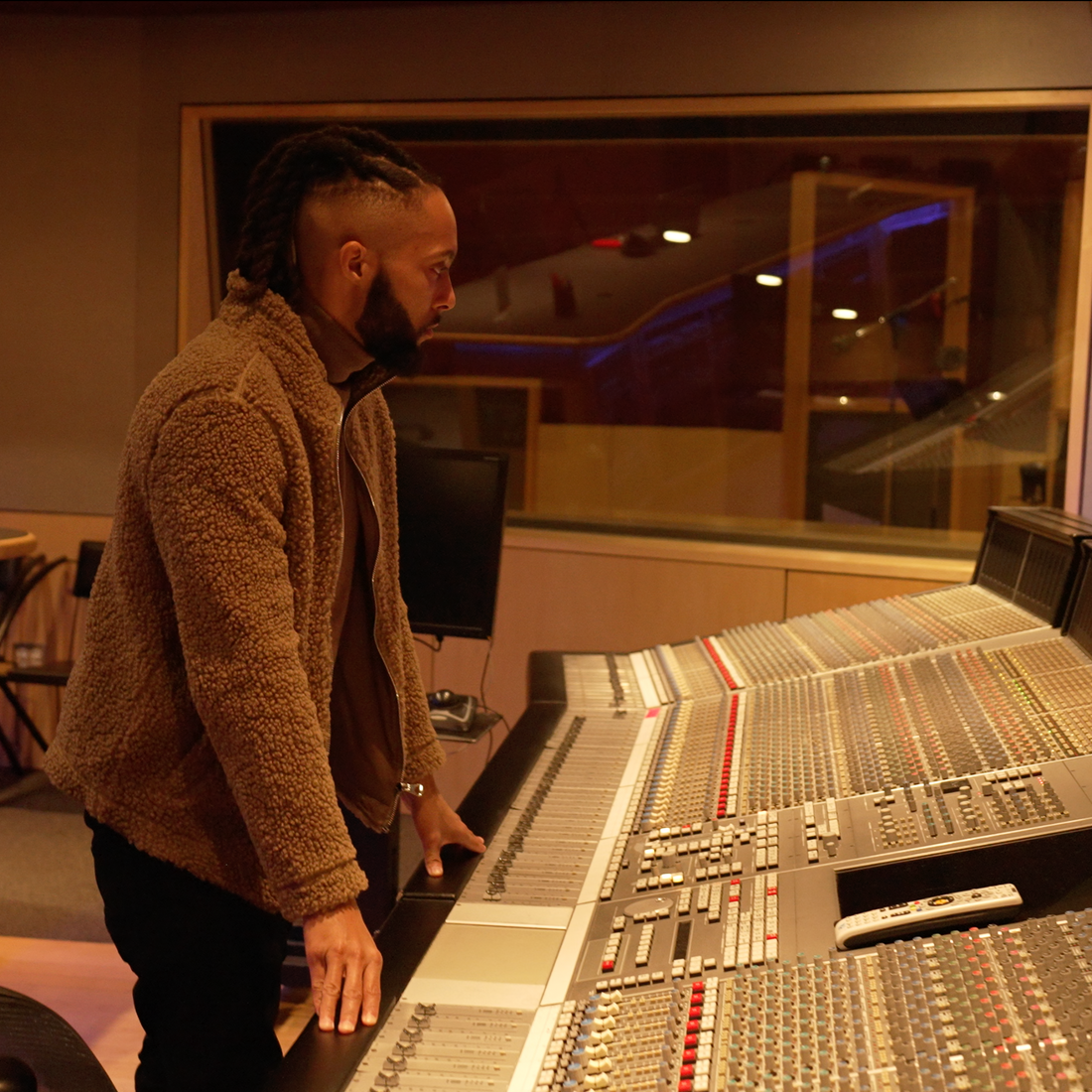
Live mixing happens while the performance is happening. The engineer works with microphones, direct inputs, stage volume, speaker placement, room response, monitors, wedges, in-ears, and an audience that hears every decision immediately. The goal is not to create a perfect recording. The goal is to make the performance clear, powerful, stable, and comfortable in that specific space.
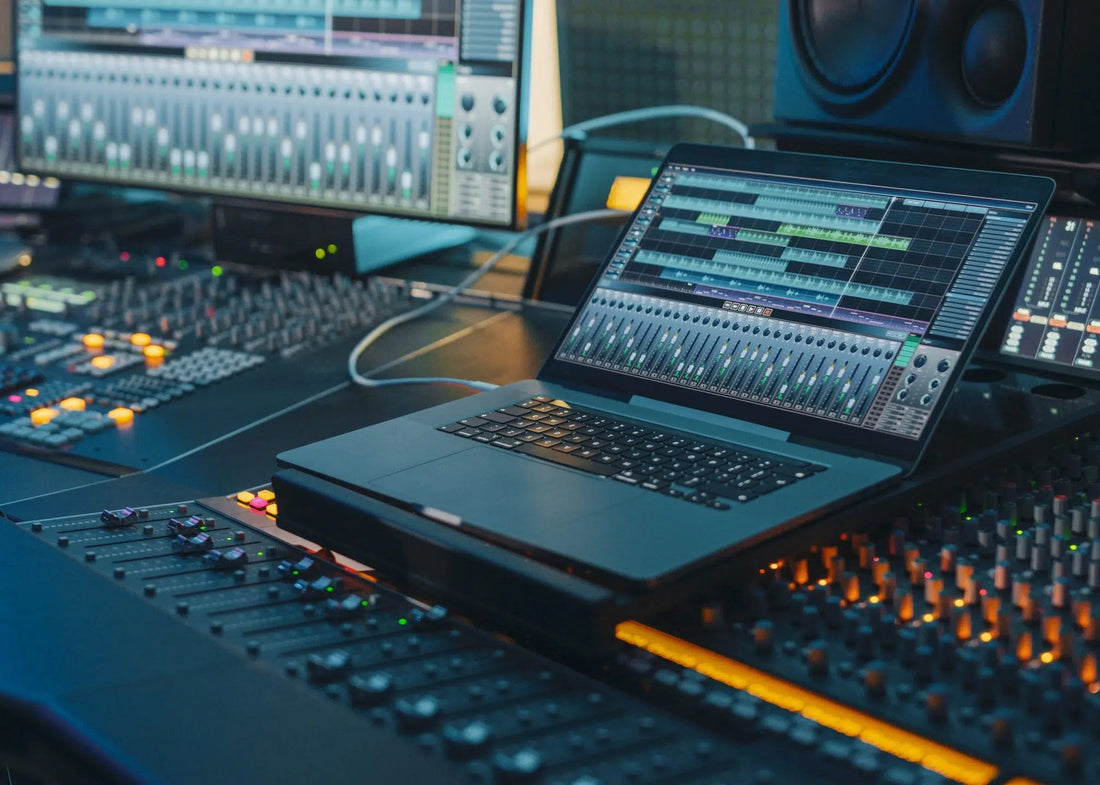
Studio mixing happens after the performance is recorded. The engineer works with audio files inside a DAW. They can stop, undo, revise, automate, compare references, listen the next morning, and test the mix across systems. The goal is not to reinforce a room. The goal is to turn recorded tracks into a finished song.
| Category | Live Performance Mixing | Studio Recording Mixing |
|---|---|---|
| Main goal | Make the show work in the room. | Make the song translate everywhere. |
| Time pressure | Immediate. Decisions happen during soundcheck and the set. | Controlled. Decisions happen over passes and revisions. |
| Main risks | Feedback, stage bleed, monitor problems, poor coverage. | Muddy balance, harsh tone, weak automation, poor translation. |
| Monitoring | PA, wedges, in-ears, side fills, room sound. | Studio monitors, headphones, references, consumer playback checks. |
| Deliverable | A good show experience. | A finished mix file for mastering or release. |
Both are valuable. They just solve different problems.
What Live Mixing Has to Solve
Live mixing starts with the room and the stage. The engineer is not only balancing channels. They are managing sound that physically exists in a space. The vocal mic hears the singer, but it may also hear drums, crowd noise, guitar amps, wedges, reflections, and the PA if the room is difficult. The snare mic may hear the entire drum kit. The bass amp may be loud enough on stage that the PA needs less bass than the board mix suggests.
Live priorities usually look like this:
- Gain structure: inputs need enough level without clipping or feeding back.
- Vocal intelligibility: the audience must understand the lead vocal.
- Feedback control: problem frequencies need to be managed quickly.
- Monitor clarity: performers need to hear themselves without making the stage louder than the PA.
- Room translation: the mix has to work for people in different parts of the venue.
- Speed: problems need fast fixes because the show does not pause.
That is why live EQ is often more defensive than studio EQ. You may cut a frequency not because it sounds ugly in isolation, but because it is about to feed back in the room. You may keep a reverb shorter than you would in a record because the venue already adds ambience. You may reduce low end from the PA because the stage is already filling the room.
What Studio Mixing Has to Solve
Studio mixing starts with recorded files. The engineer is not fighting feedback or a changing audience. Instead, they are making choices that will live forever in the released file. A studio mix can be subtle because the listener may hear it through earbuds, car speakers, laptop speakers, club systems, or headphones years later.
Studio priorities usually look like this:
- Static balance: faders create the emotional hierarchy before plugins.
- Tone shaping: EQ makes each element fit the song.
- Dynamic control: compression and automation keep important parts stable.
- Depth and width: reverb, delay, panning, and ambience create space.
- Automation: the mix changes section by section so the song builds.
- Translation: the mix should hold up outside the engineer's room.
- Revision handling: feedback becomes controlled changes, not panic moves.
A studio mix can take several focused passes because details matter. The vocal may need clip gain before compression. The hook may need a wider effect than the verse. The ad-libs may need automation. The bass may need to change under the chorus. Those are decisions that usually cannot happen during a live show.
Why Live Sound and Studio Mixing Use Different EQ
EQ exists in both worlds, but the goal changes. In live sound, EQ often protects the room. In the studio, EQ shapes the record.
Live EQ has to account for microphones, speakers, stage volume, reflections, and feedback. A vocal may need a cut because the room rings there. A wedge may need a notch because the singer's mic and monitor position create a feedback loop. The engineer may make a channel sound less impressive in solo because it works better through the PA.
Studio EQ has more freedom. The engineer can shape the vocal for emotion, the kick for punch, the bass for translation, and the instrumental for space. There is no audience hearing the move immediately. The engineer can test, undo, level-match, and compare references.
This is why a live board recording often sounds strange when played back later. The live mix was built for the room, not for direct release. The PA and venue were part of the sound. Once you remove the room and listen to the board feed alone, balances may feel wrong.
Monitors Are a Major Live Difference
Stage monitoring is one of the biggest differences between live and studio work. In the studio, the performer may record with headphones, and the mix engineer later works on nearfield monitors or headphones. In live performance, performers need to hear themselves while standing near drums, amps, crowd noise, and PA spill.
Live monitors can be wedge speakers, in-ear monitors, side fills, or a combination. Each monitor mix can be different. The singer may want more vocal and less guitar. The drummer may want click, bass, and lead vocal. The keyboard player may need more track. The live engineer has to keep performers comfortable without making the stage so loud that the front-of-house mix falls apart.
A studio mix does not have this problem. The artist hears the mix after the fact. Their feedback becomes revision notes. That gives the engineer time to make controlled changes. Live monitor requests happen during soundcheck, between songs, or sometimes during the performance itself.
Workflow: Live Performance
A typical live workflow is front-loaded:
- Line check: confirm every microphone and input works.
- Gain setup: set input gain without clipping or noise problems.
- Monitor setup: give performers the feeds they need.
- Feedback control: ring out problem areas safely when needed.
- Soundcheck balance: build a rough front-of-house mix.
- Show mix: ride the performance in real time.
- Scene or snapshot management: recall settings for different songs if the system supports it.
Modern digital live systems can use scenes, snapshots, and virtual soundcheck workflows, but the core responsibility remains real time. If the lead vocal disappears during the hook, the engineer has seconds to respond.
Workflow: Studio Recording Mix
A typical studio mix is staged in passes:
- Session prep: organize files, labels, routing, color, and groups.
- Static balance: get the song working with faders and pan before heavy processing.
- Cleanup: remove noise, clicks, timing problems, and obvious track issues.
- Tone shaping: EQ each part around the song.
- Dynamics: compression, de-essing, gating, limiting, and automation.
- Effects: reverb, delay, modulation, depth, width, and transitions.
- Automation: section movement, vocal rides, throws, and energy changes.
- Reference checks: compare to target songs and playback systems.
- Revisions: respond to artist feedback within the same direction.
This is why a studio mix benefits from clean prep. If you are sending files to mixing services, include the rough mix, references, dry/wet vocal intent, and clear notes. The engineer should spend time mixing the record, not guessing what each file is.
Which One Do You Need?
Choose based on the outcome.
| You Need | Use | Why |
|---|---|---|
| Your concert to sound good in the venue. | Live sound engineer. | The problem is room, PA, monitors, and real-time performance. |
| Your recorded single mixed for release. | Studio mixing. | The problem is balance, tone, automation, and translation. |
| A board recording from a show cleaned for release. | Studio mix or live-recording mix. | The live mix feed may need post-production before release. |
| In-ear monitor mixes for a performance. | Live sound. | The performers need real-time monitoring, not a release mix. |
| Vocals and beat balanced for Spotify, Apple Music, or YouTube. | Studio mixing, then mastering. | The deliverable is a finished file, not room reinforcement. |
If your recording is finished and you are preparing release files, studio mixing comes before mastering services. Mastering should polish the approved mix, not fix a live-sound problem or replace a missing studio balance.
Cost, Revisions, and Deliverables
Live sound and studio mixing are priced differently because they are delivered differently. A live engineer is usually paid for a date, call time, setup window, soundcheck, show length, teardown, travel, and sometimes gear. The work is tied to a fixed event. Once the show is over, the service has already happened.
Studio mixing is usually paid per song, per project, or per package. The deliverable is a finished audio file, and the process can include revisions. That changes the expectation. Instead of asking, "How many hours is the engineer standing at the console?" the better question is, "What does the finished mix include, and how many revision passes are included before mastering?"
| Area | Live Performance | Studio Recording |
|---|---|---|
| Typical quote basis | Event date, call time, show length, venue, gear, and travel. | Song count, track count, editing needs, references, and revision scope. |
| Revision expectation | Real-time adjustments during soundcheck and performance. | One or more post-mix revision passes after artist feedback. |
| Final output | A clear show through the PA and monitors. | Mix print, instrumental, acapella, TV track, or stems if included. |
| Main handoff | Input list, stage plot, set time, venue details, and monitor needs. | Labeled multitracks, rough mix, references, tempo, key, and notes. |
This distinction matters when budgeting. A lower-cost live engineer may still be perfect for a small room if they can keep vocals clear, control feedback, and move quickly. A lower-cost studio mix may be risky if it does not include careful vocal rides, automation, revision handling, and translation checks. The cheapest option is only good if it solves the actual problem.
How to Prepare for Each Type of Mix
Preparation is different because the engineer is solving a different environment. For live sound, the most useful prep is information that helps the engineer build the show quickly. Send the input list, stage plot, number of vocal mics, number of instruments, playback needs, backing track outputs, click needs, in-ear needs, and whether any performers need specific monitor mixes. If the set has major changes between songs, make that clear before the day of the show.
For a studio mix, the most useful prep is clean audio and clear direction. Every file should start at the same timestamp. Tracks should be labeled plainly. The engineer should not have to guess which vocal is the lead, which double belongs to the hook, or which ad-lib is supposed to stay. If you recorded with effects that are part of the sound, send both the printed version and the dry version when possible. The printed version shows intent. The dry version gives the mix engineer control.
Use this quick split:
- For live performance: send input list, stage plot, monitor needs, set order, playback routing, venue info, and contact details.
- For studio mixing: send WAV files, rough mix, references, BPM, key, lyrics if useful, dry vocals, wet examples, and notes about priorities.
- For live recording release: send multitracks, board mix, audience mics if captured, setlist, song names, tuning notes, and any crowd edits you want kept.
The more specific the prep, the less the engineer has to infer. That does not mean over-directing every plugin move. It means giving enough context that the engineer can make confident decisions. "Make the vocal feel closer in the verses, but keep the hook wide and emotional" is more useful than "make it sound professional." "Singer needs lead vocal, kick, and track in the in-ears" is more useful than "make the monitors good."
If You Recorded a Live Show and Want a Release
A live recording that will become a release is its own category. It is not exactly normal live sound, and it is not exactly a normal studio single. The source may include crowd noise, stage bleed, uneven performance levels, changing mic distance, room reflections, and moments that are exciting in context but messy in isolation. The goal is to preserve the energy without pretending it was tracked in a silent studio.
The best live releases usually start with multitrack capture. That gives the mix engineer separate control over vocal, drums, bass, keys, guitars, tracks, audience mics, and effects returns. Audience mics matter because they explain the room energy. Without them, a board recording can feel sterile, even if the show felt powerful in person.
If the live recording only exists as a stereo board feed, the work becomes restoration and enhancement more than full mixing. The engineer may be able to improve EQ, tame harshness, control dynamics, widen gently, reduce some noise, and master the file for a more consistent playback level. They cannot pull the vocal far above the band if the vocal is buried inside a stereo recording. They cannot rebuild missing crowd perspective if no audience signal was captured.
For artists planning a live-release project, the smartest move is to plan the recording before the show. Ask whether the venue can multitrack. Confirm sample rate and file format. Capture audience mics. Label the songs. Keep a notes document with the strongest takes, mistakes, crowd moments, and transitions. Then the studio mix stage has real material to work with.
When You Need Both
Some projects need live mixing and studio mixing in sequence. A filmed performance, live session, church performance, acoustic set, or tour recap may need the room to sound good during the event and the recording to sound good later. Those are separate deliverables. The front-of-house mix should serve the audience. The recording mix should serve the listener who was not in the room.
That is why a broadcast or livestream mix often uses a separate mix path from the PA. A room mix can be too dry, too vocal-forward, or too dependent on acoustic stage volume when heard online. A livestream mix may need more room mics, more consistent vocal level, more ambience, and a different low-end balance because the listener is not hearing the venue.
If the project will be filmed, livestreamed, or released, say that early. The live engineer can plan routing, splits, audience mics, and recording paths. The studio engineer can later work from better files. Treating the release as an afterthought is how artists end up with a great show and a weak recording of it.
Can a Live Mix Be Released?
Yes, but it usually needs different handling than a normal studio single. A live mix made for the room may not sound balanced as a direct recording. The vocal may be low because the singer was loud in the room. Guitars may be quiet in the board feed because the amps were already loud on stage. Audience mics may be missing. Drums may have stage bleed or inconsistent cymbal levels.
For release, a live recording works best when it is captured intentionally:
- multitrack the show if possible
- capture audience or room mics
- label the setlist and song sections
- avoid relying only on the front-of-house board feed
- expect post-production cleanup, editing, and mixing
If all you have is a stereo board recording, it may still be useful, but expectations should be realistic. A board feed is not the same as a mixed live album.
Common Mistakes Artists Make
- Sending a live board feed and expecting a studio mix: the source may not contain the room balance the audience heard.
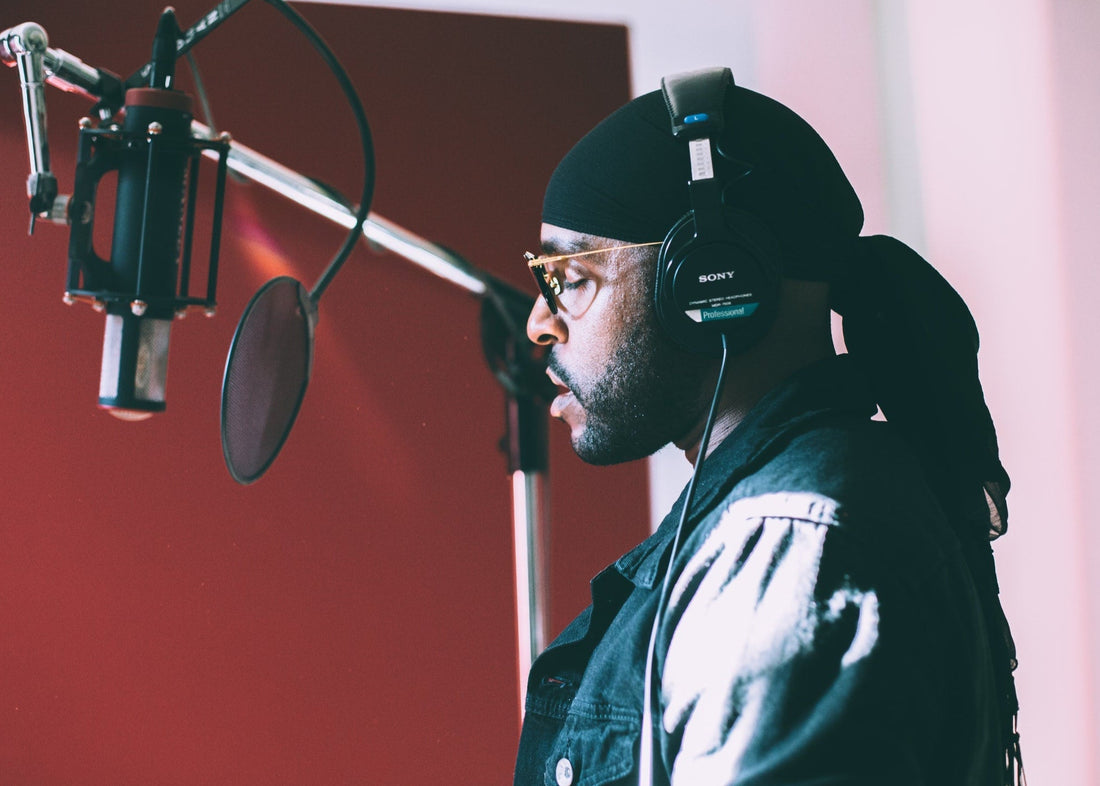
- Recording studio vocals with a live mindset: too much printed reverb or monitor bleed can limit the final mix.
- Using the live show mix as the release reference: the room may have supplied energy that is missing in the recording.
- Skipping file prep: unlabeled stems slow the studio mix down.
- Confusing mastering with mixing: mastering cannot rebuild the internal balance of a bad source.
- Ignoring the performer experience live: a great front-of-house sound means less if the artist cannot hear enough to perform well.
If you are still recording vocals at home before a release mix, recording templates can keep lead, doubles, ad-libs, and rough effects organized before handoff. If you need a fast tracking chain for demos, vocal presets can help you capture a cleaner reference tone before the final mix stage.
FAQ
Is live mixing harder than studio mixing?
Live mixing is harder under pressure because the engineer has to solve problems in real time. Studio mixing is harder at the level of detail and translation because the finished file has to hold up everywhere. They are different skill sets, not a simple harder-or-easier comparison.
Can the same engineer do live and studio mixing?
Yes, some engineers are strong in both, but they change mindset between jobs. Live work prioritizes speed, feedback control, monitors, and room response. Studio work prioritizes balance, tone, automation, references, revisions, and release translation.
Can I use a live board recording as my final release mix?
Sometimes, but it usually needs post-production. A board recording captures what came through the console, not necessarily what the audience heard in the room. For a serious release, multitrack capture plus studio mixing gives much more control.
Do live mixes use the same plugins as studio mixes?
They can use similar types of processing, such as EQ, compression, gates, reverb, and delay, but the settings and goals are different. Live processing has to be stable and fast. Studio processing can be more detailed because the engineer can revise and automate over time.
Should I book mixing or mastering for a recorded song?
If the song is not balanced yet, book mixing first. Mixing handles the relationship between vocals, beat, drums, bass, instruments, effects, and automation. Mastering comes after the mix is approved and prepares the final stereo file for release.
What should I send for studio mixing?
Send labeled audio files that start at the same point, a rough mix, references, notes about intentional effects, and any dry/wet vocal versions that matter. Clean prep helps the engineer spend time improving the record instead of reconstructing the session.