



1 How Streaming Royalties Actually Work
Understanding how streaming royalties work is essential for any artist trying to build a sustainable music career. Unlike the simple "X cents per stream" numbers often quoted online, streaming royalties involve a complex system of revenue pools, pro-rata distribution, and multiple payment layers.
When you stream a song on Apple Music, the platform collects your subscription fee (typically $10.99/month in the US). After Apple takes its cut (approximately 30%), the remaining 70% goes into a monthly royalty pool. This pool is then divided among all rights holders based on their share of total streams that month. If your songs account for 0.001% of all streams in a given month, you receive 0.001% of the royalty pool.
This "pro-rata" system means your per-stream rate fluctuates based on total platform activity. During months when streaming activity is high (like December holidays), your individual streams may pay slightly less because the pool is divided among more total streams. The commonly cited "$0.01 per stream" for Apple Music is an average that smooths out these monthly variations.
Multiple parties typically share streaming royalties. The master recording owner (usually your label or distributor if you're independent) receives the largest share. Songwriters and publishers receive separate mechanical and performance royalties through organizations like ASCAP, BMI, or SESAC. If you're a self-released artist who writes your own songs, you're entitled to both shares, but they flow through different payment channels.
2 Apple Music vs Other Streaming Platforms
Apple Music consistently pays the highest per-stream rates among major streaming platforms, and understanding why helps you make strategic decisions about where to focus your promotional efforts.
The Premium-Only Advantage
Apple Music's higher rates stem primarily from its subscription model. Unlike Spotify, which has both free ad-supported and premium tiers, Apple Music is premium-only. Every stream comes from a paying subscriber, meaning the revenue pool is generated entirely from subscription fees rather than diluted by ad revenue from free users.
Spotify's free tier accounts for roughly 60% of its monthly active users but generates disproportionately less revenue through ads. When Spotify calculates per-stream payments, free-tier streams pull down the average rate. Apple avoids this entirely, resulting in approximately 2-2.5x higher per-stream payments.
Platform Rate Comparison
Apple Music: ~$0.01 per stream (range: $0.007-$0.012). The highest major platform rate, though Apple has fewer total users than Spotify.
Tidal: ~$0.013 per stream. Technically higher than Apple, but with a much smaller user base, reaching Tidal listeners is more difficult.
Amazon Music: ~$0.004 per stream. Similar to Spotify, with rates varying significantly between Prime Music (lower) and Amazon Music Unlimited (higher).
Spotify: ~$0.003-$0.005 per stream. The largest platform by users but among the lowest payers per stream.
YouTube Music: ~$0.002-$0.004 per stream. Rates vary widely based on whether streams come from YouTube Music Premium or ad-supported YouTube.
3 Factors That Affect Your Per-Stream Rate
Your actual per-stream earnings can vary significantly from the averages quoted above. Several factors determine what you ultimately receive for each stream.
Geographic Location of Listeners
Subscription prices vary by country, and your per-stream rate reflects where your listeners are located. US streams pay significantly more than streams from countries with lower subscription prices. An artist with a primarily American audience might see rates above $0.012 per stream, while an artist with listeners concentrated in developing markets might see rates closer to $0.005.
This geographic factor is outside your direct control but worth understanding when analyzing your streaming data. If you're seeing lower-than-expected rates, check your listener geography in your distributor dashboard—a shift in your audience location could explain the difference.
Subscription Type
Family plan subscribers pay the same monthly fee but share it among up to six users. When a family plan member streams your music, you receive less than when an individual subscriber streams the same song. Student plans similarly pay reduced rates. As these discount plans grow in popularity, they put downward pressure on average per-stream rates.
Your Distributor's Deal
Your distributor negotiates its own terms with streaming platforms, and these terms affect your bottom line. Major distributors like DistroKid, TuneCore, and CD Baby have different relationships with platforms that can result in slightly different rates. The difference is usually small (within 5-10%), but it compounds over millions of streams.
4 Strategies for Maximizing Streaming Earnings
While you can't control per-stream rates, you can optimize your approach to maximize total earnings from streaming platforms.
Focus on Retention, Not Just Streams
Spotify's algorithm particularly rewards songs that listeners don't skip. Songs with high completion rates get pushed to more algorithmic playlists, creating a compound growth effect. Apply this thinking across platforms: create music that rewards repeated listening, and structure your songs to hook listeners early.
Release Consistently
Streaming algorithms favor artists who release regularly. Rather than dropping an album once every two years, consider releasing singles every 4-6 weeks. This keeps you in algorithmic consideration, gives you more opportunities to reach new listeners, and compounds your catalog over time.
Optimize for Apple Music Specifically
If Apple Music's higher rates appeal to you, consider focusing promotional efforts there. Apple Music's editorial team actively curates playlists, and they're known for supporting independent artists. Submit your releases to Apple Music for Artists well before release date, and maintain an updated artist profile with high-quality images and bio.
Build Superfans, Not Just Listeners
One superfan who streams your entire catalog repeatedly is worth more than dozens of listeners who hear one song once. Focus on building genuine connections with your audience through social media, email lists, and community engagement. These dedicated fans will stream your music repeatedly, recommend you to others, and support you through other revenue channels.
5 Understanding Payment Timelines
One of the most frustrating aspects of streaming income is the significant delay between when streams occur and when you receive payment. Understanding this timeline helps you plan financially.
The Reporting Chain
When someone streams your song in January, Apple Music records that stream and aggregates it with all January activity. In February, Apple processes this data and reports it to distributors. Your distributor then processes the payment data, converts currencies if necessary, and prepares your payment. By March or April, you might finally see those January streams reflected in your account.
This 2-3 month delay is standard across the industry. Some distributors are faster than others, but no legitimate service can pay you for streams instantly—the data simply doesn't flow that quickly.
Payment Thresholds
Most distributors require you to accumulate a minimum balance (typically $10-$50) before they'll process a withdrawal. For new artists with limited streams, reaching this threshold can take additional months. Choose a distributor with reasonable thresholds if you're just starting out.
6 Choosing the Right Distributor
Your distributor is your gateway to streaming platforms, and the choice affects both your earnings and your experience as an independent artist.
Major Distributor Options
DistroKid charges an annual fee (~$20-$50/year) for unlimited releases, keeping 100% of your royalties. Fast upload times and broad platform reach make it popular among independent artists. However, if you stop paying, your music may be removed from platforms.
TuneCore charges per release ($9.99/single, $29.99/album annually) but also keeps 100% of royalties. More expensive for prolific artists but offers robust analytics and publishing administration services.
CD Baby charges a one-time fee per release ($9.95/single, $29/album) and takes no ongoing percentage. Your music stays up forever even if you never pay again. Also offers sync licensing and publishing services.
AWAL is selective (you must apply) but offers label services, playlist pitching, and advances to qualifying artists while taking a percentage of earnings.
What to Consider
Beyond pricing, consider features like playlist pitching tools, analytics quality, customer support responsiveness, and additional services like publishing administration or sync licensing. Read recent reviews from other artists—distributor quality can change over time.
7 Setting Realistic Expectations
Social media often creates unrealistic expectations about streaming income. Understanding the actual numbers helps you plan a sustainable music career.
The Math of Streaming
At $0.01 per Apple Music stream, here's what different stream counts actually mean:
10,000 streams: $100. Enough to cover a few months of streaming service subscriptions.
100,000 streams: $1,000. A nice bonus, but not living income. This represents a successful single for many independent artists.
1,000,000 streams: $10,000. A meaningful amount, but still only achievable for established artists with dedicated fanbases.
10,000,000 streams: $100,000. Now we're talking real income, but reaching this level typically requires years of catalog building and significant promotional investment.
The Catalog Effect
Streaming rewards artists with extensive catalogs. An artist with 50 songs averaging 1,000 streams/month each earns more than an artist with 5 songs averaging 5,000 streams/month. Focus on consistently releasing quality music and let your catalog compound over time.
8 Building Revenue Beyond Streaming
The most successful independent artists treat streaming as one component of a diversified income strategy rather than their primary revenue source.
Complementary Revenue Streams
Live Performance: Still the largest income source for most working musicians. Even small local shows can generate more per-hour income than streaming.
Merchandise: Direct-to-fan merchandise often has better margins than music sales or streaming. Use your streaming presence to build an audience, then convert them to merchandise customers.
Sync Licensing: Getting your music placed in TV, film, ads, or video games can generate significant one-time payments plus ongoing royalties. Some distributors offer sync pitching services.
Teaching: If you have production or performance skills, teaching others can provide stable income while you build your streaming presence. Use our BPM tools and other resources to help students learn.
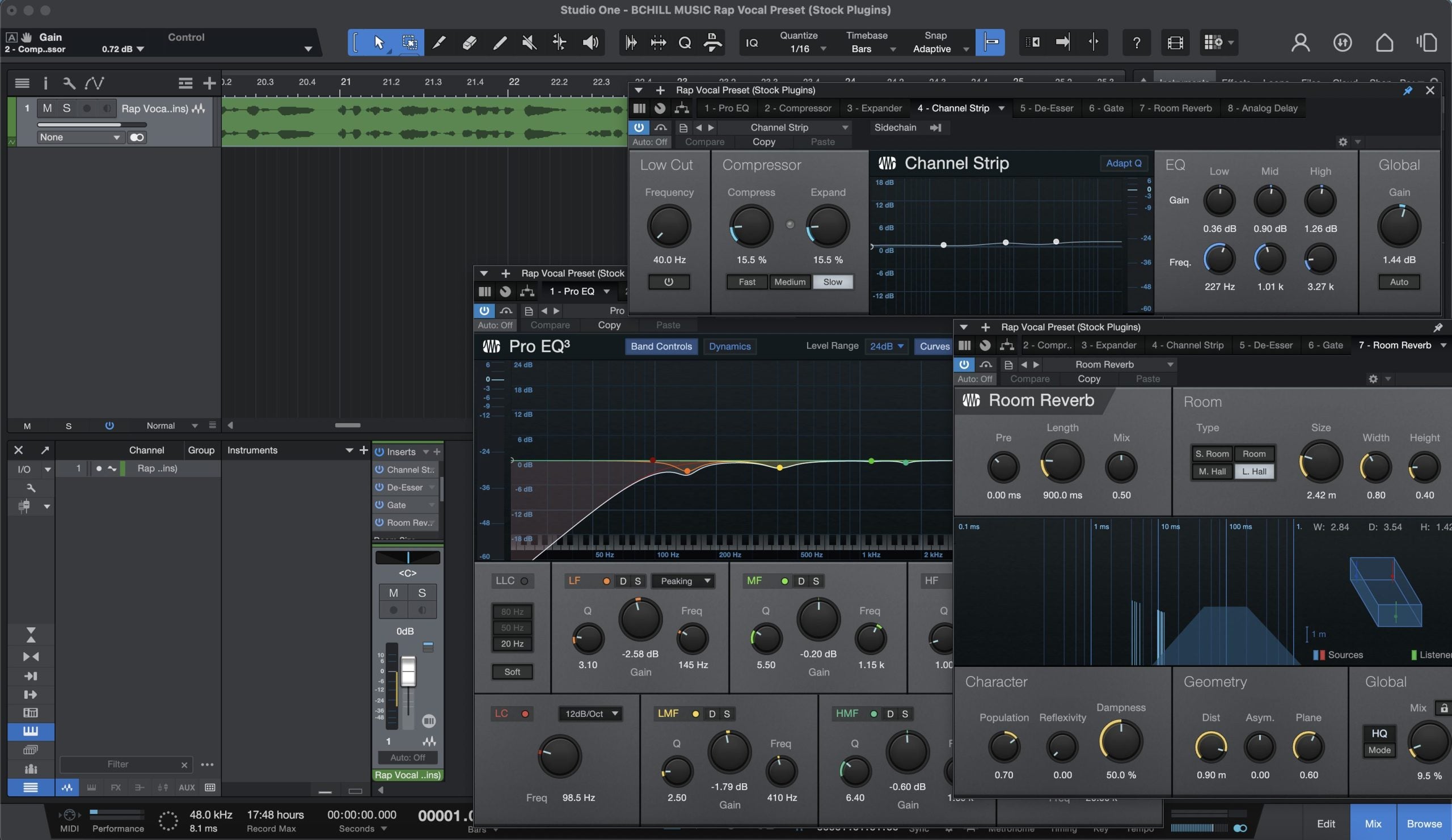
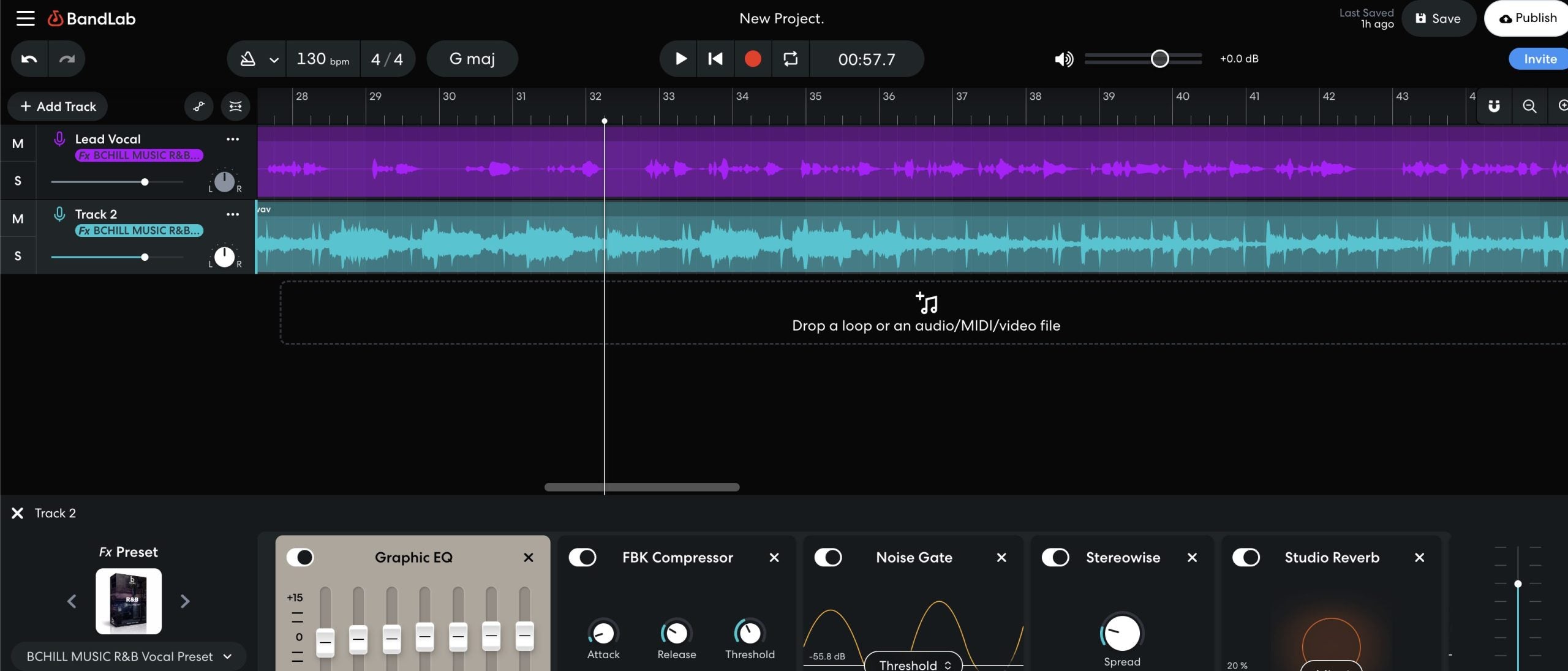
To make your releases as competitive as possible, consider our Vocal Presets for professional-sounding vocals and our Mixing Services to ensure your tracks match industry standards.