





Understanding Musical Bars and Measures
Bars, also called measures, represent the fundamental organizational unit of musical time. A bar contains a specific number of beats determined by the time signature, and understanding bars helps musicians, producers, and engineers communicate about song structure and timing in universally understood terms.
In most popular music using 4/4 time, each bar contains four beats. These bars become building blocks for larger structures like verses, choruses, and bridges. Thinking in bars rather than seconds connects production decisions to the musical feel of a song, making it easier to create arrangements that feel natural and well-proportioned.
Converting bars to actual time duration depends on the tempo of the music. A bar in a fast dance track at 140 BPM passes much more quickly than a bar in a slow ballad at 60 BPM. This relationship between bars, tempo, and time is fundamental to planning song structures and synchronizing music with other media.
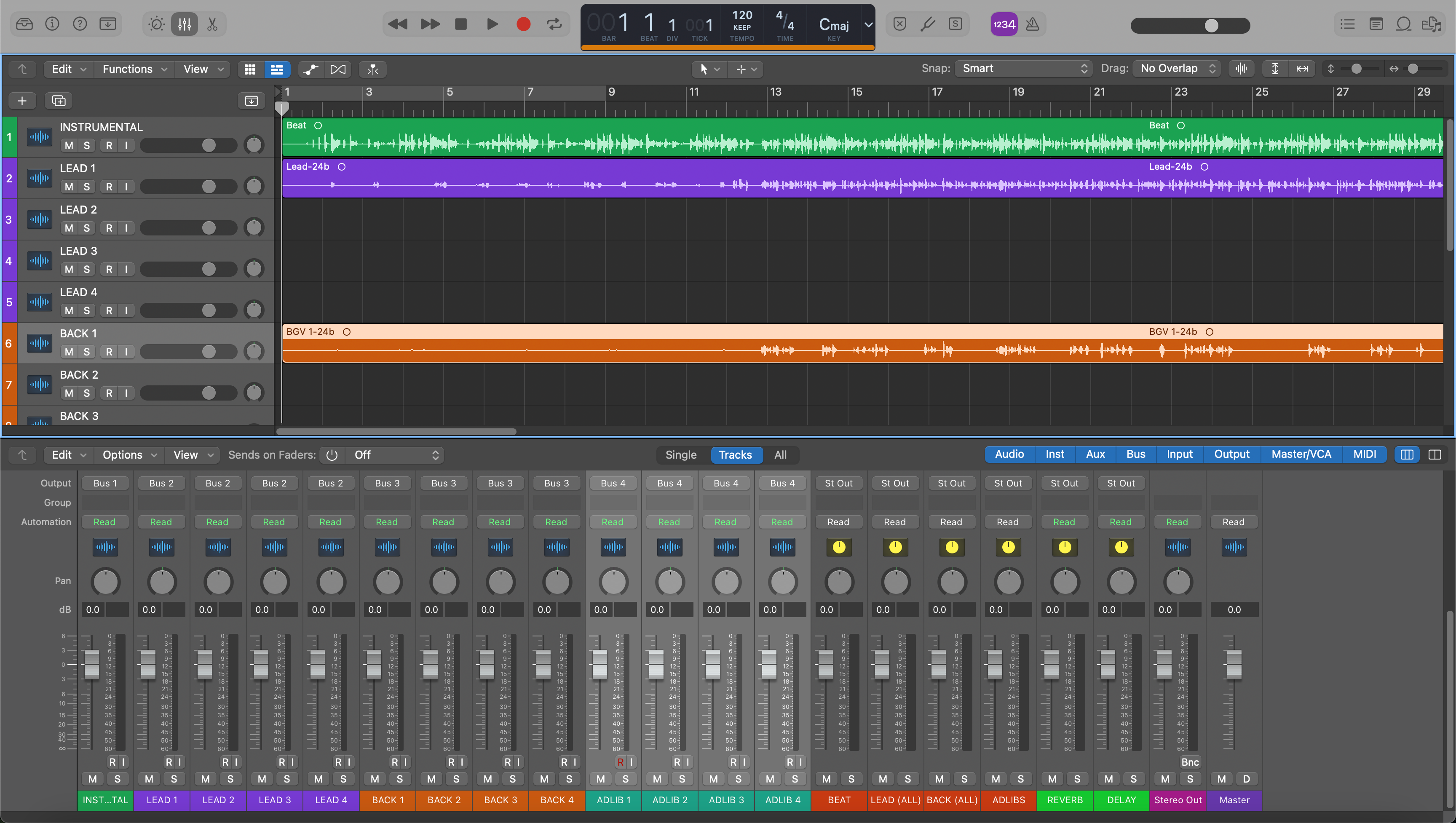
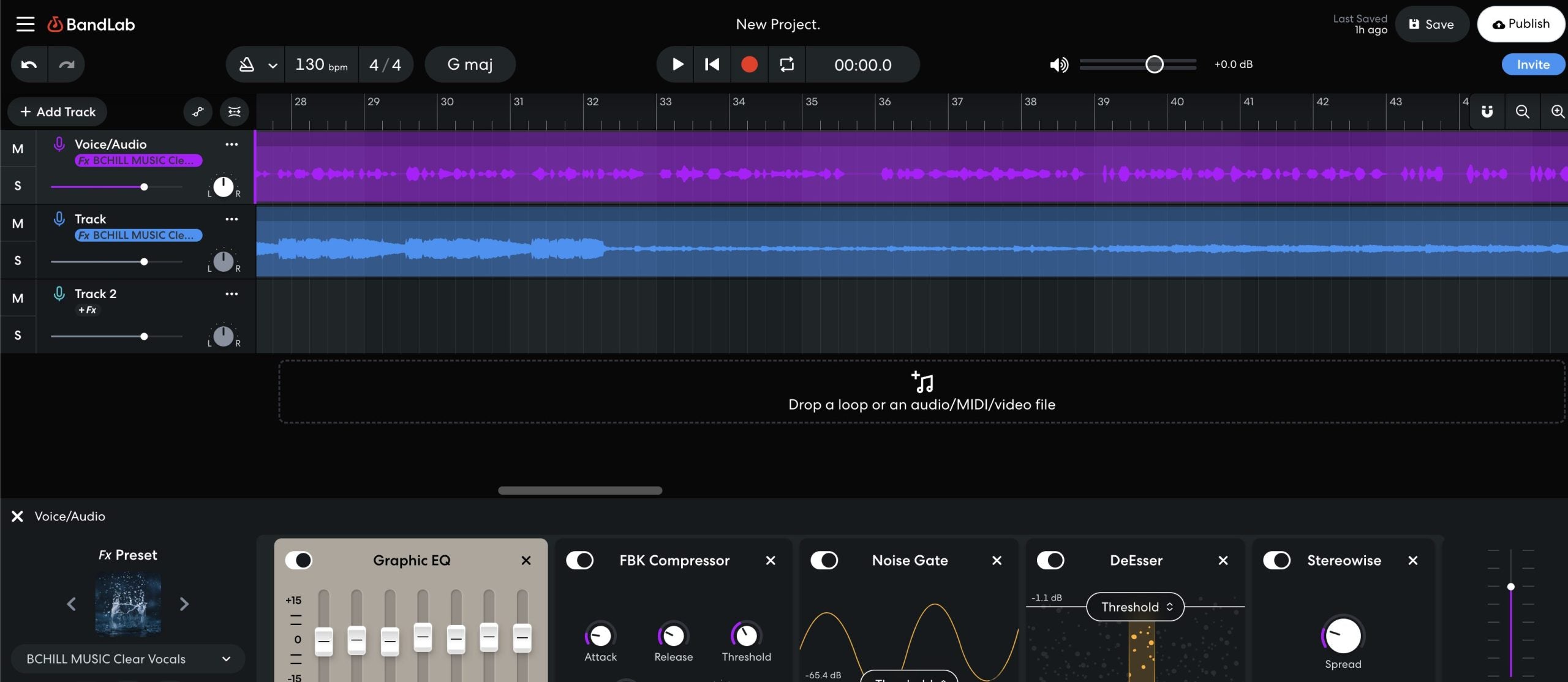
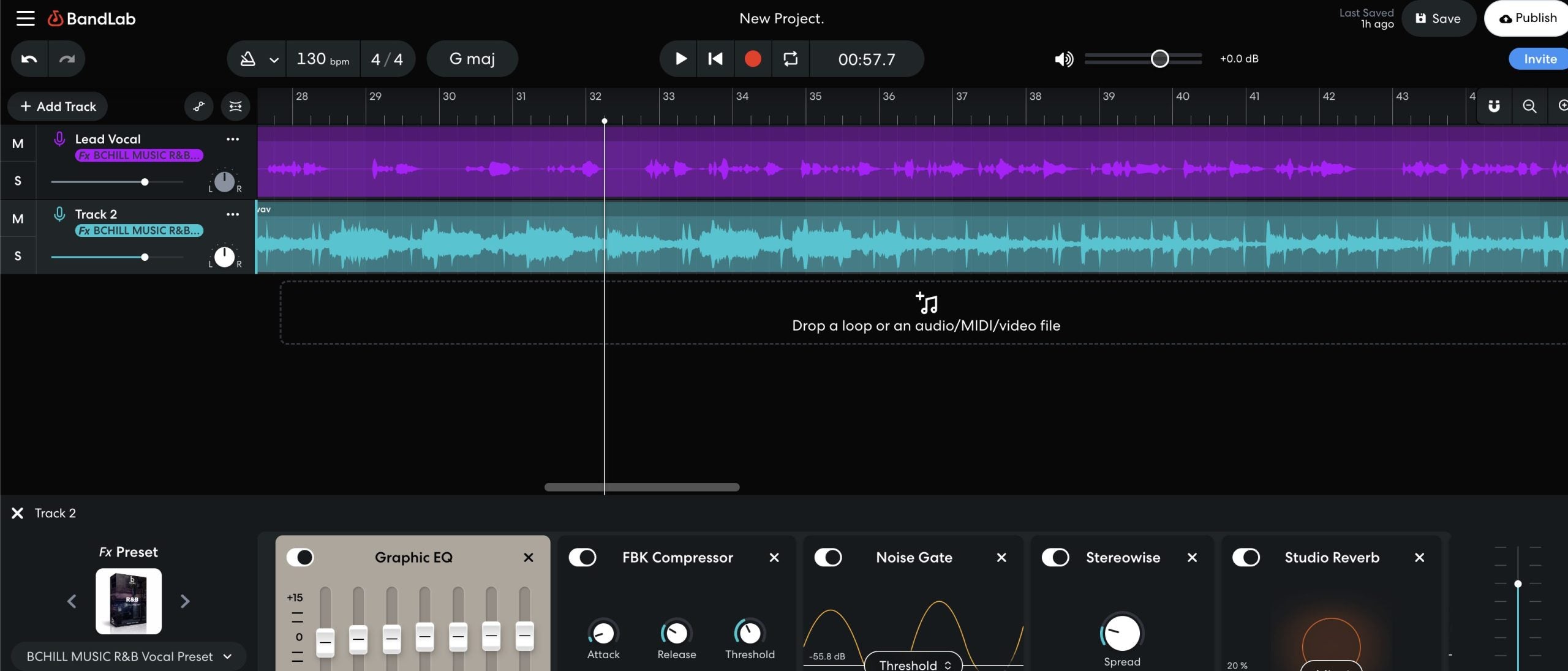
Professional DAWs display both bar/beat positions and time positions, allowing you to work in whichever system makes more sense for your current task. Understanding the conversion between these systems enables fluid workflow switching.
The Mathematics of Bar-to-Time Conversion
Converting bars to time requires understanding the relationship between tempo, time signature, and duration. The fundamental calculation derives from the tempo value, which specifies how many beats occur per minute.
For music in 4/4 time, the calculation is straightforward. First, find the duration of one beat by dividing 60 seconds by the BPM. Then multiply by four to get the duration of one bar. Finally, multiply by the number of bars you want to convert.
At 120 BPM, each beat lasts 0.5 seconds (60 divided by 120). A bar of four beats therefore lasts 2 seconds. Eight bars would be 16 seconds, and 16 bars would be 32 seconds. This linear relationship makes mental math relatively easy once you know the bar duration at your tempo.
Different time signatures change the calculation. In 3/4 time, each bar contains three beats instead of four, so bar duration equals beat duration multiplied by three. In 6/8 time, six eighth notes per bar at their equivalent tempo produces different results than might initially be expected from the numerical similarity to 3/4.
Time Signatures and Their Effects
Time signature determines how many beats fill each bar and what note value receives one beat. This information directly affects bar duration calculations and the musical feel of the resulting rhythm.
| Time Signature | Beats per Bar | Bar Duration at 120 BPM |
|---|---|---|
| 2/4 | 2 | 1.0 second |
| 3/4 | 3 | 1.5 seconds |
| 4/4 | 4 | 2.0 seconds |
| 5/4 | 5 | 2.5 seconds |
| 6/8 | 6* | 1.5 seconds** |
| 7/8 | 7* | 1.75 seconds** |
*Eighth-note beats. **Assuming eighth = quarter at marked tempo.
The bottom number of the time signature indicates which note value receives one beat. In 4/4, the quarter note gets one beat. In 6/8, the eighth note gets one beat, but these eighth notes are typically grouped in threes, creating two larger beats per bar. This distinction affects both the feel and the duration calculation.
Compound time signatures like 6/8, 9/8, and 12/8 create different rhythmic feels than simple signatures with similar beat counts. Understanding these differences helps when planning arrangements in less common time signatures.
How Tempo Affects Duration
Tempo dramatically affects how bar counts translate to actual time duration. The inverse relationship between tempo and duration means that doubling the tempo cuts the duration of a given number of bars in half.
Slow ballads around 60-70 BPM produce bars lasting approximately 3.5-4 seconds each. A 16-bar verse at 65 BPM runs about 59 seconds, nearly a full minute. This long duration per bar allows for extended melodic phrases and gives lyrics time to breathe.
Mid-tempo songs between 90-120 BPM create bars lasting 2-2.7 seconds. This comfortable range accommodates most pop, rock, and hip-hop productions. A standard 16-bar section runs 32-43 seconds, fitting well within typical song structure conventions.
Fast dance music at 140-180 BPM produces bars lasting only 1.3-1.7 seconds. Despite the rapid pace, electronic dance music often uses longer bar counts for sections because individual bars pass so quickly. A 32-bar drop at 150 BPM is only about 51 seconds.
When planning song structures, consider both bar counts and resulting durations. A section that feels appropriately long in bars might be too short or too long in actual time for your intended purpose.
Planning Song Structure with Time Awareness
Converting bars to time enables better song structure planning, especially when targeting specific overall durations. Commercial releases typically aim for certain time ranges, and understanding bar-to-time relationships helps you design structures that hit those targets.
Radio edits traditionally targeted 3:00-3:30 duration, though modern streaming has somewhat relaxed these constraints. Planning a song at 120 BPM with an intro of 4 bars, two verses of 16 bars each, two choruses of 8 bars each, a bridge of 8 bars, and an outro of 4 bars produces roughly 3:28.
Music for film and advertising often requires hitting exact time marks. A 30-second commercial spot at 120 BPM allows for exactly 15 bars. Understanding this constraint upfront enables you to design arrangements that resolve musically at the required end point.
Live DJ sets and club mixes benefit from bar-to-time awareness when planning transitions and song selections. Knowing that a 64-bar outro at 128 BPM gives you exactly two minutes to bring in the next track helps you create smooth, well-timed mixes.
Professional Recording Templates
Our templates include pre-configured markers for common song structures at various tempos, helping you plan productions efficiently.
Explore TemplatesCommon Section Lengths Across Genres
Different genres have developed conventions for section lengths that feel natural within their styles. Understanding these conventions provides starting points for your arrangements, even as you develop your own variations.
Pop music typically uses 8-bar choruses and 8 or 16-bar verses. At 100-120 BPM, this produces choruses around 16-20 seconds and verses of 16-40 seconds. The brevity of 8-bar sections helps maintain listener engagement in a format where hooks need to recur frequently.
Hip-hop verses traditionally run 16 bars, sometimes called a sixteen. At hip-hop tempos around 85-95 BPM, 16 bars equals approximately 40-45 seconds, enough time for 16 to 20 lines of lyrics depending on the flow.
Electronic dance music often uses longer sections because the faster tempos make bars pass quickly. Breakdowns, buildups, and drops frequently run 16 or 32 bars, producing sections of 30-60 seconds at typical EDM tempos of 125-140 BPM.
Jazz and progressive rock may use irregular section lengths, odd time signatures, or tempo changes that make bar-to-time calculations more complex. In these genres, time calculations often need to be done section by section rather than across the entire arrangement.
Production Applications
Bar-to-time conversion supports many practical production tasks beyond arrangement planning. Effects timing, sample selection, and synchronization all benefit from understanding this relationship.
Reverb decay times often sound most natural when related to the tempo. A decay that lasts approximately one bar creates a different feel than a two-bar decay. Converting bar durations to milliseconds helps you dial in reverb times that feel musically connected to the groove.
Delay times frequently use musical subdivisions, but sometimes you need absolute timing for specific effects. Knowing that a quarter note at 120 BPM equals 500 milliseconds helps when programming delays that need to sync precisely while still working with plugins that display time rather than note values.
Loop selection and editing requires understanding how loop lengths relate to bars. An 8-second loop works perfectly in a 120 BPM production (4 bars) but creates awkward timing at 140 BPM (4.67 bars). Checking loop durations against your tempo prevents sync problems.
Sidechain compression release times often relate to bar subdivisions. A release that resets just before the next beat keeps the groove tight. Converting beat durations to milliseconds enables precise compression timing that enhances rather than fights the rhythm.
Professional Tips and Workflows
Integrating bar-to-time awareness into your workflow improves efficiency and produces better-timed productions. These professional tips help you apply these concepts practically.
Create reference charts for your common working tempos. Having quick access to bar durations at 90, 100, 120, and 140 BPM saves calculation time during sessions. Many producers keep these references posted in their studios or saved in their project templates.
Use markers in your DAW to indicate both bar positions and time positions for key structural points. This dual reference system helps when editing to time constraints while maintaining musical bar boundaries.
When collaborating, communicate using the system your collaborator understands best. Some musicians think entirely in bars while others prefer time references. Being fluent in both systems enables clear communication with diverse collaborators.
Practice mental estimation to develop intuition. With experience, you will start to feel how long 8 bars should be at various tempos without needing to calculate. This intuition speeds up arrangement decisions and helps identify when something feels too short or long.