




Expanders and Noise Gates: Complete Guide to Dynamics Control
1 What Are Expanders and Noise Gates?
Expanders and noise gates are dynamics processors that reduce the volume of audio signals falling below a set threshold. While compressors work on loud sounds, expanders and gates work on quiet sounds—making them essential tools for cleaning up recordings, reducing bleed between microphones, and creating tight, punchy mixes.
The key difference between the two is simple: a noise gate is essentially an expander with an infinite ratio. Gates completely silence audio below the threshold, while expanders reduce it proportionally. Understanding when to use each is crucial for professional-sounding mixes.
2 Gate vs. Expander: When to Use Each
Use a Noise Gate When:
- Complete silence is needed: Removing bleed between drum mics where you want total isolation
- Eliminating obvious noise: Getting rid of amp hum during silent passages
- Creating dramatic effect: Gated reverb on snare drums for that 80s sound
- Cleaning up spoken word: Removing background noise between phrases in podcasts
Use an Expander When:
- Transparency matters: Reducing noise while preserving natural ambience
- Subtle control: Tightening up a performance without obvious processing
- Preserving room sound: Reducing bleed while keeping some natural space
- Avoiding artifacts: When hard gating causes unnatural cutoffs
Pro Tip: Many engineers prefer expanders over gates because they're more forgiving. A 4:1 expander ratio provides significant noise reduction while avoiding the "pumping" or "chattering" artifacts that can occur with hard gates.
3 Understanding the Key Parameters
Threshold
The threshold determines the level at which the gate/expander activates. Set it just above the noise floor but below the quietest signal you want to keep. Finding the sweet spot requires careful listening—too low and noise gets through; too high and you'll cut off quiet parts of the performance.
Attack Time
Attack controls how quickly the gate opens when signal exceeds the threshold. Fast attacks (0.1-1ms) catch transients like drum hits without losing the initial impact. Slower attacks (5-20ms) create a softer onset, useful for vocals or sustained instruments where instant opening sounds unnatural.
Hold Time
Hold keeps the gate open for a set duration after the signal drops below threshold. This prevents "chattering" on decaying sounds. Drums typically need 20-50ms hold; vocals and sustained instruments may need 100-200ms to let natural tails ring out.
Release Time
Release determines how quickly the gate closes after the hold period. Short releases (20-50ms) keep things tight but can sound abrupt. Longer releases (100-300ms) sound more natural but may let more noise through. Match release to the natural decay of your source.
Range/Depth
Range sets how much the signal is reduced when the gate is closed. A range of -80dB provides near-complete silence, while -20dB leaves some ambience. Using moderate range values often sounds more natural than complete silence.
4 Practical Applications
Drum Recording
Gates are invaluable for drum recording where multiple close mics pick up bleed from neighboring drums. Gate the kick drum mic to reduce snare bleed, gate tom mics to eliminate cymbal splash during fills, and use expansion on room mics to control overall ambience.
Vocal Production
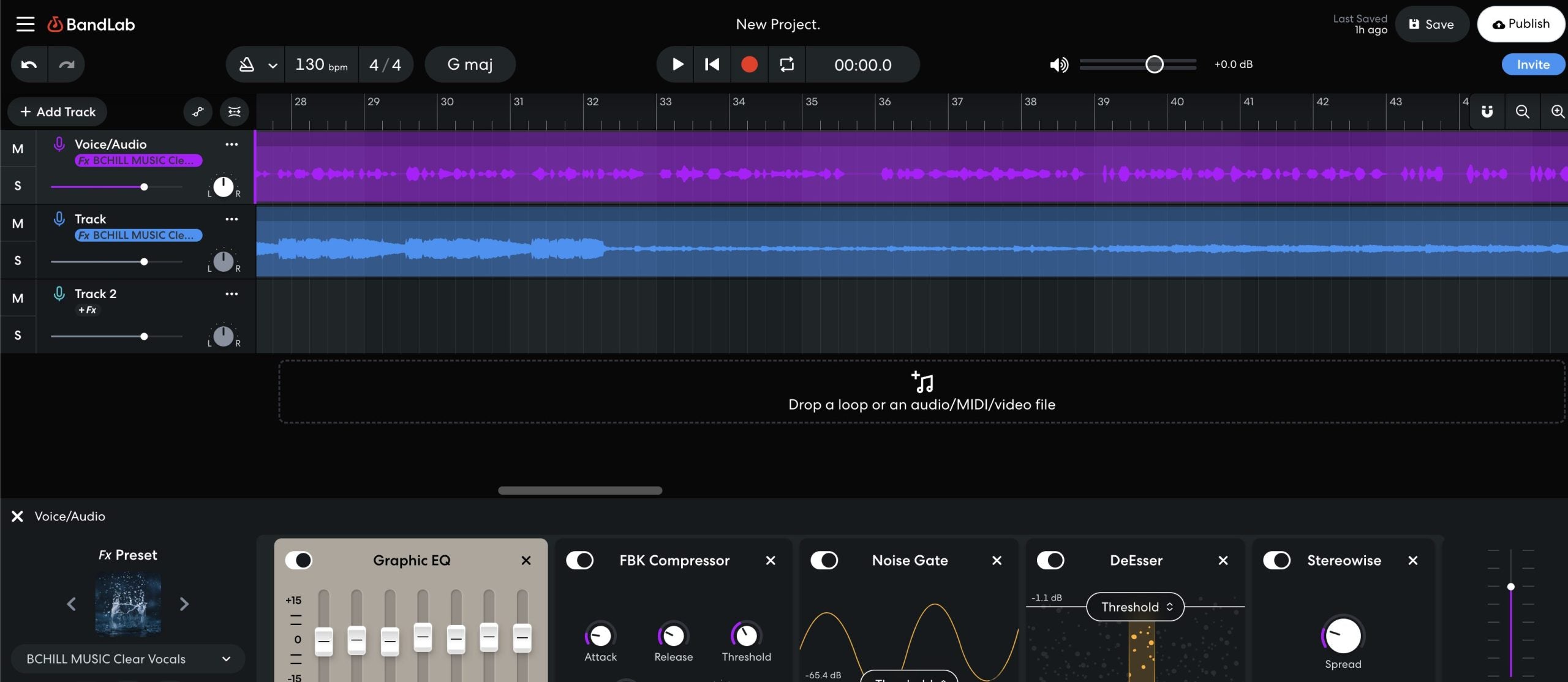
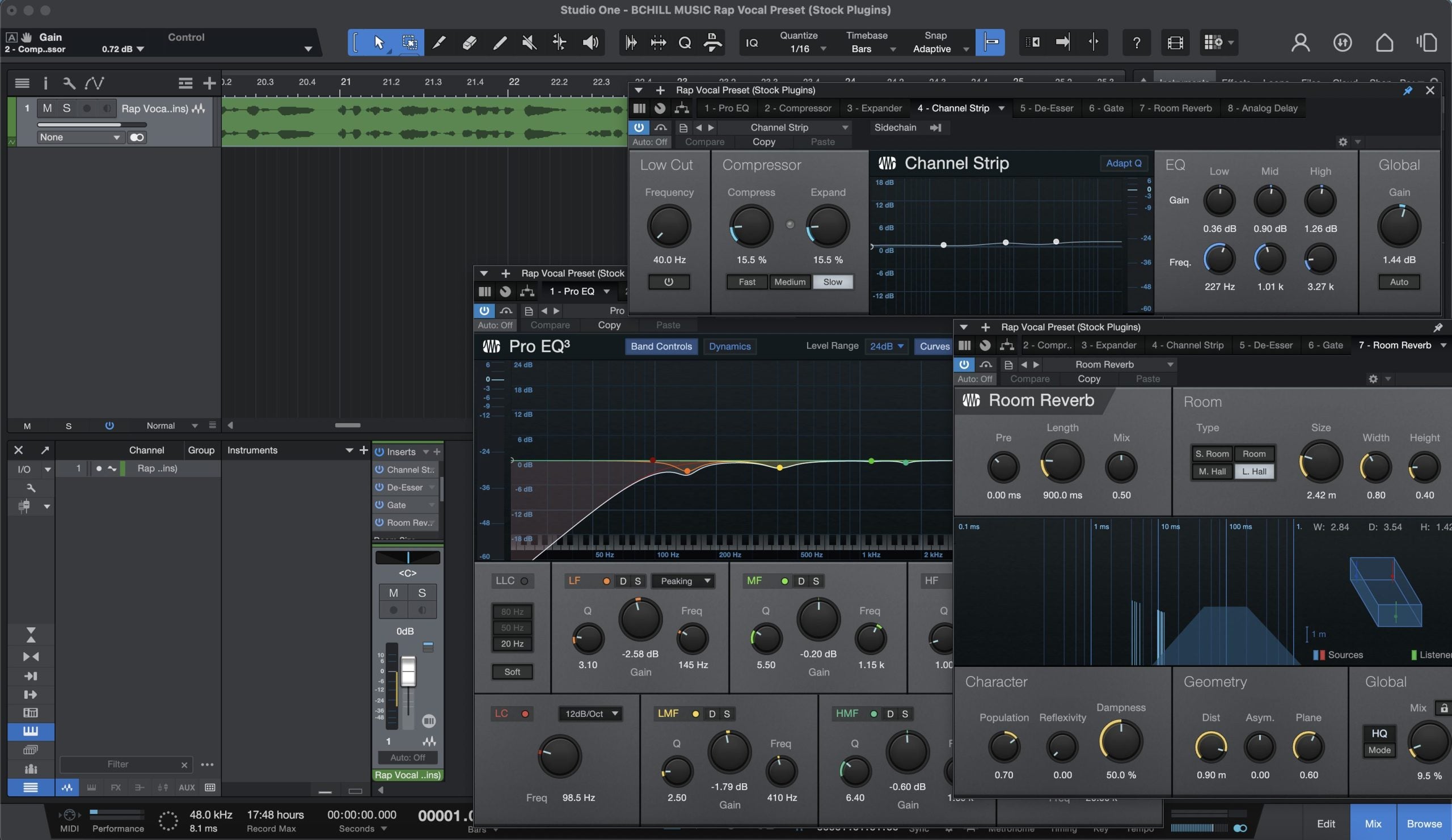
For vocals, gentle expansion often works better than hard gating. Set the threshold just above breath noise and room tone. Use a moderate ratio (2:1 to 4:1) and longer attack/release times to preserve natural vocal characteristics while reducing noise between phrases.
Guitar Amp Cleanup
High-gain guitar amps generate significant noise when not playing. A gate set to open on pick attack and close during sustain keeps the tone intact while eliminating inter-note buzz. Sidechain filtering can help the gate respond to pick attack rather than low-frequency rumble.
5 Advanced Techniques
Sidechain Filtering
Most gates offer sidechain EQ to control which frequencies trigger the gate. High-pass filtering the sidechain prevents low-frequency rumble from holding the gate open, while low-pass filtering focuses on fundamental frequencies rather than high-frequency bleed.
Keying from External Source
External keying uses a different audio source to trigger the gate. Classic example: using a clean kick drum sample to trigger a gate on a noisy kick drum recording, ensuring consistent gating on every hit regardless of the live performance's dynamics.
Parallel Expansion
Blend the gated signal with the original for transparent noise reduction. This technique preserves the natural ambience and tail of sounds while still providing cleanup. Start with 70% gated signal and 30% original, adjusting to taste.
Common Mistake: Setting the threshold too high cuts off quiet notes and natural decay. Always test your gate settings by playing back the quietest passages of the performance to ensure nothing important is being cut.
6 Gate/Expander Settings by Source
Here are professional starting points for common sources:
- Kick Drum: Fast attack (0.1ms), short hold (20-30ms), moderate release (50-100ms), threshold just above bleed
- Snare Drum: Fast attack (0.5ms), medium hold (30-50ms), medium release (80-150ms), watch for ghost notes
- Toms: Slightly slower attack (1-2ms), longer hold (50-100ms), longer release (100-200ms) for sustain
- Vocals: Medium attack (2-5ms), long hold (100-200ms), long release (150-300ms), use expansion not hard gate
- Bass: Slow attack (5-10ms), moderate settings, be careful not to cut note sustain
7 Troubleshooting Common Problems
Chattering
If the gate rapidly opens and closes on decaying sounds, increase the hold time. If that doesn't help, try lowering the threshold slightly or using expansion instead of hard gating.
Missing Transients
Lost attack on drums or picked instruments usually means the attack time is too slow. Set attack to minimum (0.1ms) for percussive sources. Also check that the threshold isn't set too high.
Unnatural Sound
Hard gating can sound artificial, especially on vocals and sustained instruments. Switch to expansion with a moderate ratio, or reduce the range so the gate never completely closes. Blending with the original signal also helps maintain natural room sound.
8 Conclusion
Expanders and noise gates are powerful tools for cleaning up recordings and creating professional mixes. By understanding the differences between gates and expanders, mastering the key parameters, and applying the right technique for each source, you can achieve transparent noise reduction and tight, punchy recordings. Remember that subtlety often wins—start with gentle expansion before reaching for hard gating, and always listen critically to ensure your processing enhances rather than detracts from the performance.