





SMPTE Timecode: The Complete Guide for Audio Professionals
Understanding SMPTE Timecode
SMPTE timecode is a standardized system for labeling individual frames of video or film with a unique address. Developed by the Society of Motion Picture and Television Engineers, this system enables precise synchronization between audio, video, and other media elements across professional production environments.
Timecode displays in the format HH:MM:SS:FF, representing hours, minutes, seconds, and frames. Each frame receives a unique number, allowing editors, composers, and engineers to reference exact moments with frame-level precision. This precision is essential when audio must sync perfectly with visual events.
Unlike simple time displays, timecode accounts for the specific frame rate of the video being produced. A timecode of 01:30:00:15 means one hour, thirty minutes, zero seconds, and fifteen frames, but the actual duration depends on whether the video runs at 24, 25, or 30 frames per second.
Audio professionals encounter timecode when scoring to picture, synchronizing sound effects, creating audio for broadcast, and collaborating with video post-production teams. Understanding timecode fundamentals ensures smooth collaboration and prevents costly sync errors.
Frame Rate Standards Explained
Different industries and regions use different frame rates, each requiring corresponding timecode configurations. Understanding these standards helps you set up projects correctly and communicate effectively with video collaborators.
| Frame Rate | Usage | Timecode Type |
|---|---|---|
| 23.976 fps | Film transferred to video, Blu-ray | Non-drop |
| 24 fps | Cinema, true film | Non-drop |
| 25 fps | PAL television, European broadcast | Non-drop |
| 29.97 fps | NTSC television, US broadcast | Drop or non-drop |
| 30 fps | Web video, some HD content | Non-drop |
| 59.94 fps | HD sports, high frame rate video | Drop frame |
The 23.976 fps rate originated from the need to transfer 24 fps film to NTSC video. The slight slowdown allows film content to sync with television's color timing requirements while maintaining smooth playback.
The 29.97 fps rate is technically 30000/1001 fps, another artifact of NTSC color television's timing requirements. This fractional rate creates the need for drop-frame timecode to keep timecode roughly aligned with wall-clock time.
Drop Frame vs Non-Drop Frame Timecode
Drop frame and non-drop frame timecode represent two approaches to handling the fractional frame rates used in NTSC video. Understanding the difference prevents confusion and sync errors when working with American broadcast standards.
Non-drop frame timecode counts frames sequentially without skipping any numbers. At 29.97 fps, this means timecode gradually drifts from real time. After one hour, non-drop timecode shows approximately 00:59:56:12 when the actual elapsed time is one hour.
Drop frame timecode periodically skips frame numbers to keep timecode roughly synchronized with real time. The system drops frames 0 and 1 at the beginning of each minute except every tenth minute. This produces timecode that tracks actual duration more closely.
The name "drop frame" refers to dropping frame numbers from the count, not dropping actual video frames. No visual information is lost; only the numbering system adjusts. Drop frame timecode is typically indicated by semicolons (01;30;00;15) rather than colons.
Timecode Format and Display
Timecode displays follow specific conventions that communicate frame rate and drop frame status. Learning to read these displays correctly ensures you understand exactly what timing information you are seeing.
The standard format HH:MM:SS:FF uses colons as separators for non-drop frame timecode. Drop frame timecode replaces the last colon with a semicolon (HH:MM:SS;FF) to indicate the dropped-frame counting system. Some systems use periods or other separators.
Frame numbers run from 0 to one less than the frame rate. At 30 fps, frames are numbered 0-29. At 24 fps, frames are 0-23. Seeing a frame number equal to or greater than the frame rate indicates an error in the timecode data.
Subframes divide individual frames into smaller units for even greater precision. Common subframe divisions include 80 or 100 subframes per frame. Audio workstations often display subframes when sample-accurate positioning is required.
Some systems display timecode in alternative formats like feet and frames for film or samples for digital audio. Converting between these formats requires knowing the relationships between frames, samples, and physical film measurements.
Audio Synchronization with Timecode
Synchronizing audio to timecode ensures sound elements align precisely with their corresponding video moments. This synchronization happens through various methods depending on the production context and equipment involved.
Linear timecode (LTC) records timecode as an audio signal on a dedicated track. This approach enables legacy playback devices and simple synchronization setups. LTC can be read during playback at normal speed and slightly beyond.
Vertical interval timecode (VITC) embeds timecode data in the video signal itself, specifically in the vertical blanking interval between frames. This method allows reading timecode even when video is paused or moving slowly.
MIDI timecode (MTC) transmits timecode information through MIDI connections, enabling synchronization between digital audio workstations, sequencers, and other MIDI-equipped devices. Most modern DAWs support MTC for sync purposes.
Professional Recording Templates
Our templates include timecode-ready configurations for film scoring and video post-production workflows.
Browse TemplatesTimecode Conversion Calculations
Converting between timecode and other time formats requires understanding the mathematical relationships between frames, seconds, and samples. These calculations enable precise positioning across different reference systems.
Converting timecode to seconds requires multiplying hours by 3600, adding minutes times 60, adding seconds, then adding frames divided by the frame rate. For non-drop frame at 30 fps, 01:30:00:15 equals 5400 plus 0.5 seconds, or 5400.5 seconds total.
Converting seconds to timecode reverses this process. Divide total seconds by 3600 for hours. Take the remainder and divide by 60 for minutes. The remaining seconds split into whole seconds and a fractional part that multiplied by the frame rate gives the frame count.
Converting to samples requires knowing the sample rate. Multiply seconds by sample rate to get sample position. At 48 kHz, timecode 01:30:00:15 at 30 fps corresponds to sample 259,224,000 (5400.5 seconds times 48000 samples per second).
Drop frame calculations add complexity because the relationship between frame count and real time is not perfectly linear. Professional tools handle these calculations automatically, but understanding the principle helps troubleshoot sync issues.
DAW Integration and Settings
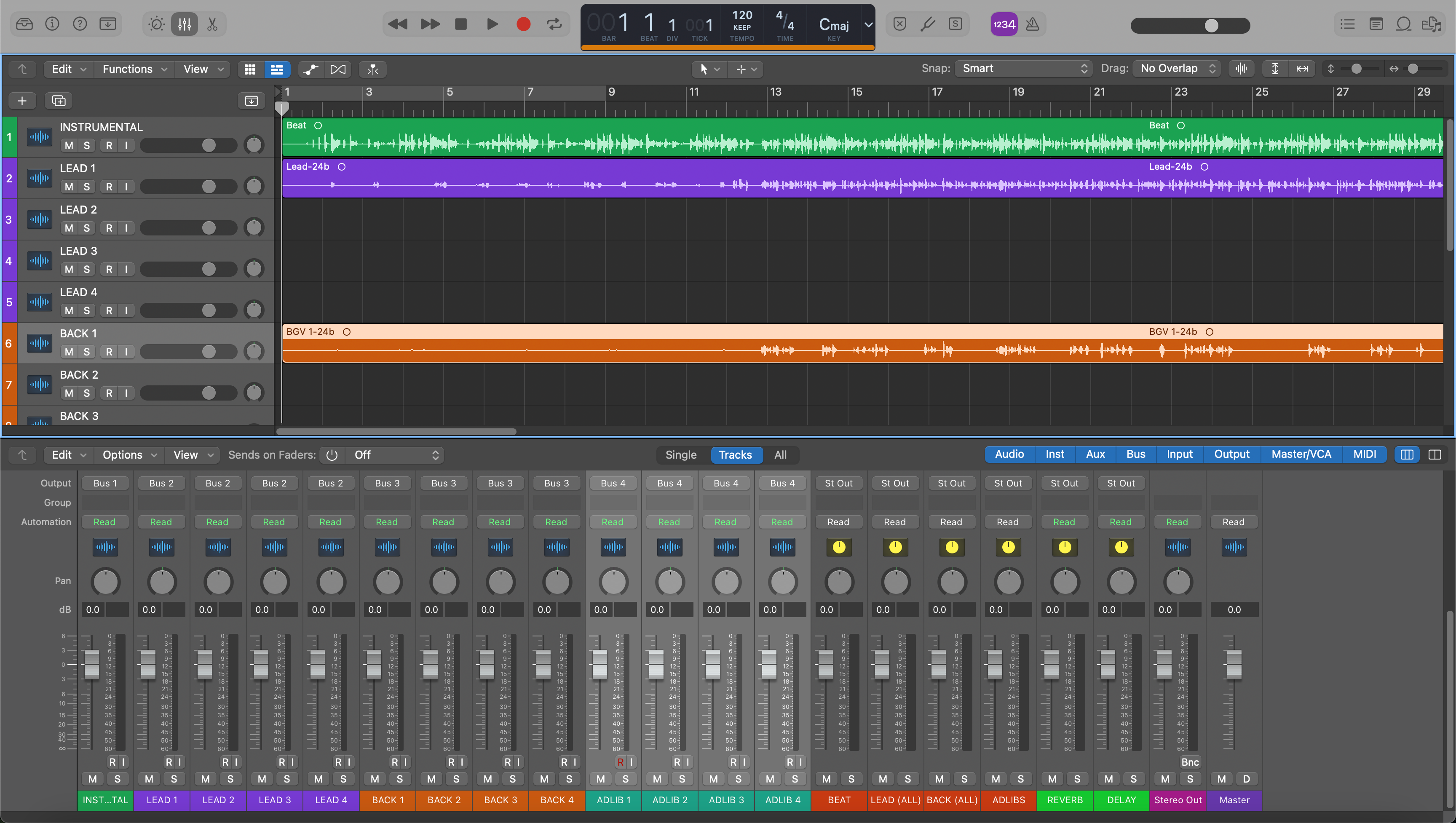
Modern DAWs offer comprehensive timecode support, but proper configuration is essential for accurate sync. Setting up your session correctly from the start prevents problems that can be difficult to diagnose later.
Session frame rate must match your video project. Importing 29.97 fps video into a 30 fps session creates progressively worsening sync drift. Always confirm frame rate with your video collaborators before beginning work.
Start time configuration determines what timecode appears at the beginning of your session. Video projects often start at 01:00:00:00 rather than 00:00:00:00 to allow room for pre-roll and leader elements. Match your audio session start time to the video start time.
Sync source settings control whether your DAW generates its own timecode or follows external timecode from video playback systems. For simple projects, internal timecode works fine. Complex setups with multiple machines require careful sync source configuration.
Timecode display options let you view positions in various formats including timecode, bars and beats, samples, or real time. Toggle between displays as needed for different tasks within the same session.
Professional Workflow Best Practices
Professional timecode workflows require attention to detail and clear communication with collaborators. These best practices help ensure smooth production and avoid expensive resync sessions.
Always confirm frame rate and drop frame status before beginning work. Get this information in writing from the video team. Assumptions about frame rate cause some of the most frustrating problems in post-production.
Include timecode references in all deliverables. Stems, mixes, and other audio elements should include timecode information in metadata and ideally in the file name. This documentation enables accurate assembly even if session files become unavailable.
Test sync early in the process by spotting a few obvious sound effects and checking alignment with picture. Catching sync problems early costs far less time than discovering them after completing detailed work.
Maintain session archives that include all timecode-related settings and documentation. Future revisions or alternate versions require recreating the same sync relationships, which is only possible if the original settings are preserved.