



News
Ariana Grande-Style Vocals: Featherlight Air & Cinematic Shine
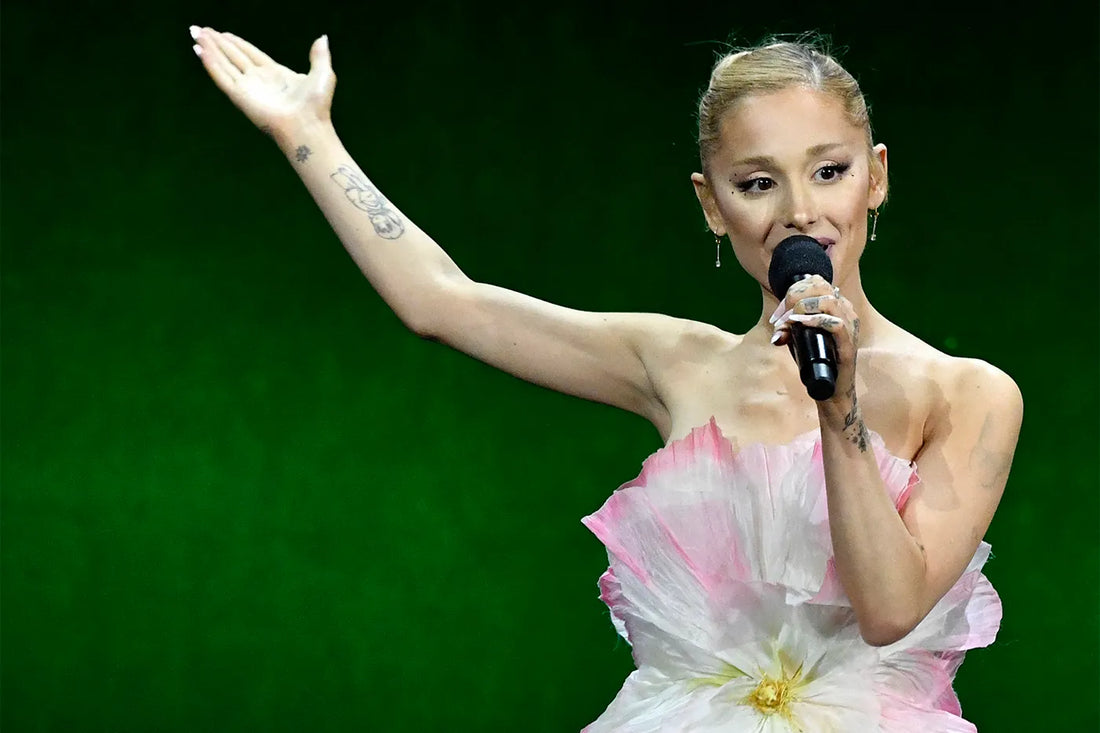
Ariana’s hallmark is weightless clarity—breathy yet detailed, smooth on top, and expansive in the hook. The lead stays mono-true while stacks and FX create a wide “cinematic” frame. This guide shows capture choices, stack architecture, a gentle control chain, space design, beat coexistence, automation, and delivery. Want a fast head start? Load modern pop vocal presets and then tailor thresholds, attack/release, and sends to your mic and phrasing. I. Signature palette: light touch, real focus Think intimate verses that feel close to the mic, then luminous choruses. Consonants should read at low volume without spikes. Air should be silky, not icy. Low-mids remain lean so pads, keys, and side-chain bass breathe around the voice. Presence lane: smooth clarity in ~2.8–4.2 kHz, guided by broad de-essing. Air window: restrained 10–12 kHz lift after sibilance is calm; no brittle spray. Body band: focused 120–180 Hz; keep 250–350 Hz from turning hazy under synth beds. Imaging: lead centered; width comes from doubles, harmonies, whispers, and returns. II. Capture decisions: airy without hiss Mic placement. 15–20 cm behind a pop filter. Put the capsule slightly above the lip line and angle 10–20° off-axis if your mic is bright; you’ll tame S’s and plosives before processing. Input level. Track raw peaks around −12 to −8 dBFS. Avoid heavy input compression—transient detail will help the mix feel alive. Takes & roles. Print a conversational main for verses, a slightly more projected pass for hooks, tight word-targeted doubles, and soft hi/lo harmonies. Add a whisper layer for chorus sheen and occasional head-voice or falsetto “sparkles.” Label takes by role/section so comping stays quick. Retune strategy. Verses prefer moderate speed with formants preserved and humanize/transition smoothing long vowels. Hooks can be tighter; avoid obvious artifacts unless creative. III. Stack architecture: velvet width that reads as one voice Build size with textures, not just level. Keep the center clean; let support parts carry width and sparkle. Lead — main narrative; rides and tone moves live here. Doubles (L/R) — ultra-tight unisons on ends of lines and hook words; micro-panned. Harmonies (Hi/Lo) — softer and slightly darker than the lead; wider than doubles. Whisper/Texture — very high-passed and band-limited; ride up only in choruses. Ad-libs (A/B) — short breaths, flips, and call/response; narrow-banded so they never mask the lead. Vocal Bus — light glue + shared de-ess; avoid heavy bus compression that flattens emotion. Beat Bus + Sub Rail — one path for the instrumental, one for 808/low end to manage collisions. IV. Lead control chain: gloss without sting Use small, musical steps that stack cleanly. Let automation create drama rather than piling on processing. Pitch control. Key/scale set. Verses moderate; hooks quicker. Preserve formants; engage humanize/transition for natural slides. Subtractive EQ. HPF ~80–100 Hz; for booth haze, dip 250–350 Hz wide (−1 to −2 dB). If nasal, a gentle notch near ~1 kHz only if needed. Compressor A (shape). 2:1–3:1, attack 15–35 ms, release 80–160 ms or auto. Aim 3–5 dB GR on phrases so consonants speak then settle. De-esser (broad). Start 6–8 kHz; use a wide band, tuned by earbuds, not meters. Keep S’s “soft-bright,” never lispy. Color (low mix). Tape/transformer/triode at 5–10% blend for cohesion; match output so loudness doesn’t fool you. Compressor B (safety). Faster action catching 1–2 dB peaks to steady sends and keep the center image firm. Polish EQ. If diction still hides, +0.5–1 dB around 3–4 kHz (wide). Add a tiny 10–12 kHz shelf after de-essing if the mic is dull. V. Space design: shimmer plates & pocketed echoes Early reflections for intimacy. Short mono room (0.4–0.7 s) with 20–40 ms pre-delay. HPF/LPF returns so they read as air, not hiss or mud. Slap for immediacy. Mono slap 90–120 ms; filter ~150 Hz–6 kHz. Automate small boosts on entry words and pull back during tongue twisters. Tempo echo. 1/8 or dotted-eighth with low feedback. Sidechain-duck from the lead so repeats bloom only in gaps. Pan occasional throws opposite a harmony for graceful motion. Shimmer plate. Bright, short plate (0.7–1.0 s) with 20–50 ms pre-delay. Keep verses drier; let the chorus open by riding send/decay 1–2 dB rather than jumping to a longer reverb. Stereo discipline. Keep the lead insert chain mono-true. Place width in harmonies and FX returns; this preserves lyric focus and mono translation. VI. Working with pop/trap beats: pads, hats, and side-chained bass Presence window (Beat Bus). Insert a vocal-keyed dynamic EQ that dips 2–4 kHz slightly while the singer performs; release fast so synth riffs recover between syllables. Low-end coexistence. If syllables vanish under sub or side-chained bass, apply a keyed low-shelf reduction at 120–180 Hz on the Sub Rail during vocal phrases. Keep moves small so pumping isn’t audible. Top-end comfort. If cymbals or airy pads hiss, try a narrow M/S dip around 9–10 kHz on the sides only; keep center brightness for diction. Two-track scenarios. When the beat is a stereo file, carve overlaps rather than boosting the voice. This walk-through on how to mix vocals over a 2-track beat shows practical lanes and midrange carving that protect shimmer without harshness. VII. Micro-automation that sells the line Level rides. ±0.5–1 dB into downbeats; micro-lifts (0.3–0.7 dB) on melisma peaks and phrase endings. De-ess threshold moves. Loosen by 1–2 dB on darker vowels; tighten for brighter syllables; automate by section. Tonal swells. A brief +0.5 dB wide boost near 3.5 kHz on a single word can spotlight meaning without raising overall brightness. Saturation scenes. Add 3–5% more color in the final hook for perceived energy; pull it back in whispery verses. FX choreography. Raise slap on bar entries; cut during dense consonants. Trigger longer throws only on transitions or final tags. Prefer to focus on performance while someone rides balances and preps stems? Book pop mixing engineers online and keep creative momentum while translation stays consistent. VIII. Troubleshooting: quick moves that keep shine intact S’s feel edgy on earbuds. Broaden the de-ess band; drop any air shelf by 0.5 dB; low-pass delay returns around 6–7 kHz. Hook sounds thin despite doubles. Ease doubles’ HPF a few Hz; add +1 dB at 160–200 Hz (wide) on doubles; ride harmonies +0.5 dB in the chorus only. Whisper layer hisses. Narrow its bandwidth further and reduce its air shelf; use a tiny transient shaper to keep definition without extra top end. Beat masks diction. Tighten the keyed 2–4 kHz dip on the Beat Bus; verify fast release so hooks recover instantly. Retune artifacts on long vowels. Slow speed; raise humanize/transition; confirm formants are preserved. Phone-speaker collapse. Keep the lead mono-strong; move width into harmonies and returns; avoid wideners on the center insert. IX. Two ready-to-tweak chains Stock-only path (any major DAW) Pitch correction: key/scale; verses moderate, hooks faster; formants on; humanize engaged. EQ: HPF 90 Hz; wide −1 to −2 dB at 250–350 Hz if boxy; optional narrow notch near 1 kHz if nasal. Comp A: 2:1–3:1; attack ~20 ms; release ~120 ms; 3–5 dB GR on phrases. De-ess: broad band 6–8 kHz; tune by earbuds, not meters. Saturation: light tape/transformer at low mix; output matched. Comp B: faster, catching 1–2 dB peaks; steady sends. Polish: micro shelf at 10–12 kHz only after de-essing if the mic is dark. Sends: mono room 0.4–0.7 s; slap 90–110 ms; 1/8 or dotted-eighth delay with ducking; short shimmer plate for hook bloom. Third-party flavor (example) Auto-Tune/Melodyne by section; preserve formants; soften transitions for legato lines. Dynamic EQ (Pro-Q-style): HPF; dynamic notch at 250–300 Hz when booth bloom appears; optional narrow notch near 1 kHz. Opto comp (LA-2A-style) for smooth body; matched output. Resonance control (Soothe-style) lightly in 4–8 kHz if edgy. 1176-style comp for fast peak catching (1–2 dB GR). Air EQ (Maag-style) micro +0.5–1 dB at 10–12 kHz if necessary. FX: EchoBoy slap + dotted-eighth; bright plate; optional chorus-only parallel hall at low level for bloom. X. Delivery & versions: pass checks the first time During the mix. Leave headroom; target mix peaks near −3 dBFS. Avoid brickwall limiting on the mix bus. dBFS is the digital scale where 0 clips; LUFS estimates perceived loudness and is for comparing versions, not for mixing targets; true peak (dBTP) estimates inter-sample spikes—keep final masters safely below 0 dBTP. Version set. Print stereo WAV, 24-bit at session rate. Export aligned alternates from bar 1 with tails: Main, Clean, Instrumental, A Cappella, and TV Track. For platform safety and consistent tone across versions, finish with chart-ready mastering. XI. Final note: light, lush, and controlled Ariana’s blueprint is elegance—soft air, smooth diction, and a chorus frame that feels huge without harshness. Keep the center honest, carve overlaps instead of pushing brightness, and choreograph small rides and FX moves that serve the melody. When deadlines stack up or arrangements get dense, partnering with experienced ears keeps polish predictable and creative focus intact.
Learn more
JENNIE-Style Vocals: Chic Bite & Glossy Width
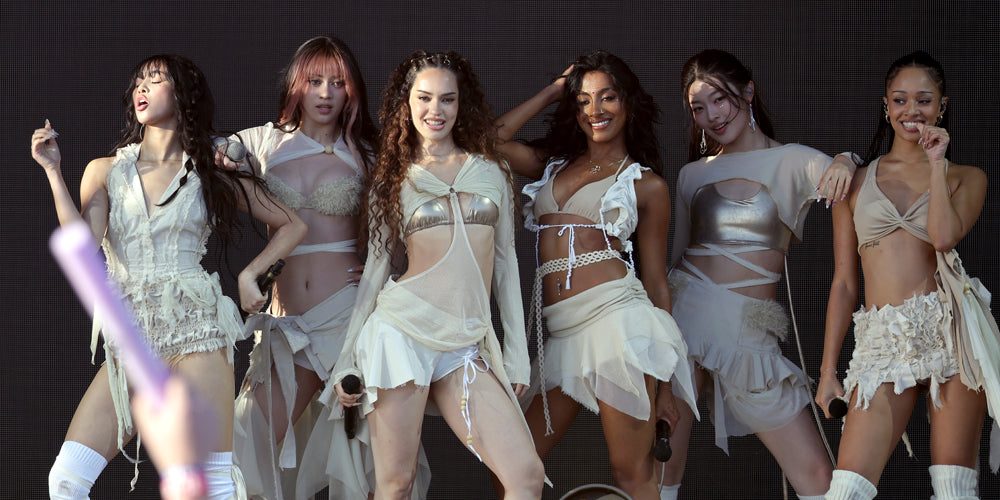
JENNIE’s vocal identity blends confident pop tone with crisp rap phrasing and a touch of breathy gloss. Your goal is a mono-solid lead that stays smooth on top, with stacks and FX that bloom into elegant width at the hook. This guide walks through capture choices, stack architecture, a light control chain, motion design, beat coexistence, automation, and delivery. I. Signature palette: chic presence, soft air, stage-ready width Think modern K-pop/urban pop: intelligible at low volume, never spiky; airy but not icy; lean low-mids so synth hooks, kicks, and bass side-chain breathe around the voice. The center image remains steady; the feeling of “big” comes from layers and carefully choreographed returns. Presence lane: smooth 2.8–4.2 kHz for diction, guided by broad de-essing. Air window: restrained 10–12 kHz lift only after sibilance is calm. Body band: tidy 120–180 Hz; avoid 250–350 Hz haze under pads and bright guitars. Imaging: lead stays mono-true; width lives in doubles, harmonies, spoken asides, and FX returns. II. Capture blueprint: bilingual clarity without harshness Mic placement. 15–20 cm behind a pop filter. Put the capsule slightly above lip line; angle 10–20° off-axis if your mic is bright. This softens S/Z and “sh” edges before processing. Input level. Track raw peaks around −12 to −8 dBFS so transients survive. Avoid heavy input compression; save shape for the mix. Takes & roles. Print a confident main for verses, a slightly more projected pass for hooks, tight word-targeted doubles, and clean hi/lo harmonies. Capture short spoken lines and whispers for ad-lib texture. Label takes by role/section so comping and rides are fast. Retune strategy. Pop hooks accept quicker speed; conversational lines and rap phrasing prefer moderate settings. Preserve formants, and enable humanize/transition for natural vowel travel. III. Arrangement map for K-pop verse/rap/chorus flow Design lanes so the song scales from tight verses to panoramic choruses without losing focus. Lead A — main narrative (sing/rap hybrid); rides and tone moves live here. Lead B — alternate timbre or section hand-off; identical chain for consistent polish. Doubles (L/R) — ultra-tight unisons on hook words and line ends; micro-panned. Harmonies (Hi/Lo) — chorus and pre-chorus lift; slightly darker than the lead; wider than doubles. Whisper/Texture — very high-passed, narrow-band; ride up only in choruses for “expensive” air. Ad-libs A/B — short calls, replies, and spoken tags; bandwidth-limited so they never mask the lead. Vocal Bus — gentle glue and shared de-ess; avoid heavy bus compression that flattens emotion. Beat Bus + Sub Rail — one for synths/drums, one for 808/low end to solve collisions surgically. IV. Lead control chain: shine without sting Small, musical steps that stack cleanly. Let automation create drama instead of stacking processors. Pitch control. Key/scale set. Hooks a bit faster; verses moderate. Preserve formants; engage humanize/transition for smooth melismas and slides. Subtractive EQ. HPF ~80–100 Hz. For booth haze, dip 250–350 Hz wide (−1 to −2 dB). If nasal, a gentle notch near ~1 kHz only if you hear it. Compressor A (shape). 2:1–3:1, attack 15–35 ms, release 80–160 ms or auto. Aim 3–5 dB GR on phrases so consonants hit and recover. De-esser (broad). Start ~6–8 kHz; wide band; tune by earbuds, not meters. Keep S’s “soft-bright,” never lispy. Color (low mix). Tape/transformer/triode at 5–10% for cohesion; output matched so loudness doesn’t fool you. Compressor B (safety). Faster action catching 1–2 dB peaks; stabilizes sends and holds the center image steady. Polish EQ. If diction still hides, +0.5–1 dB around 3–4 kHz (wide). Add a tiny 10–12 kHz shelf only after de-essing. V. Stack choreography: clean sparkle that reads as one Doubles. Two ultra-tight unisons on target syllables. HPF slightly higher than lead; a hair more de-ess; tuck 6–9 dB below. Micro-pan L/R for width that survives mono. Harmonies. One above/one below for chorus lift. Keep them a shade darker than the lead and pan wider than doubles. A micro +0.5–1 dB at ~5 kHz on harmonies can add gloss without pushing sibilants. Whisper layer. High-pass ~250–300 Hz; low-pass near 10 kHz. Ride up only in hooks for sheen without level. Hook tag/crowd. A quiet unison stack (3–4 voices) on the last word of the hook gives “audience” energy. High-pass and tuck deep. Rap interlocks. For fast lines, copy the lead’s entry consonant to a double at low level; it restores punch on stretched vowels without extra EQ. VI. Motion & space: pocketed echoes, shimmer plates, camera moves Mono slap. 90–120 ms for immediacy; filter return to ~150 Hz–6 kHz. Automate small lifts on bar-entry words and pull back during tongue-twisters. Tempo echo. 1/8 or dotted-eighth with low feedback. Add sidechain ducking from the lead so repeats bloom in gaps only. Pan occasional throws opposite a harmony or ad-lib for graceful motion. Shimmer plate or tight hall. 0.7–1.0 s with 20–50 ms pre-delay. Keep verses drier; open the chorus by riding send/decay 1–2 dB rather than switching to a much longer verb. Stereo discipline. Keep the lead insert mono-true. Put width on harmonies and returns. This preserves lyric focus and phone-speaker translation. VII. Beat coexistence: bright synths, claps, & sub tails Presence window (Beat Bus). Insert a vocal-keyed dynamic EQ that dips 2–4 kHz slightly while the lead speaks; release fast so riffs recover between syllables. Low-end respect. If syllables vanish under 808 tails or side-chained bass, apply a keyed low-shelf dip at 120–180 Hz on the Sub Rail during vocal phrases. Keep moves subtle to avoid pumping. Top-end comfort. If hats/cymbals feel icy, try a narrow M/S cut around 9–10 kHz on the sides only; keep center brightness for diction. Two-track scenarios. When the instrumental is stereo only, carve overlaps instead of boosting the lead. This walkthrough on how to mix vocals over a 2-track beat shows practical midrange carving and lane strategy that protect gloss without harshness. VIII. Micro-automation & edits that sell attitude Lead rides. ±0.5–1 dB into downbeats; 0.3–0.7 dB lifts on hook entrances and phrase ends. De-ess threshold moves. Loosen 1–2 dB on darker vowels; tighten for bright syllables; automate by section. Tone swells. A brief +0.5 dB wide boost around 3.5 kHz on a single word spotlights meaning without raising overall brightness. Saturation scenes. Add 3–5% more color in the final chorus; back it off for breathy verses. Ad-lib choreography. Alternate left/right by section; narrow their bandwidth; ride 0.5–1 dB into transitions. Consonant copy. If a long vowel softened attack, paste a crisp consonant from a nearby take at low level to restore intelligibility. Prefer a collaborator to ride balances and prep stems while you focus on performance and visuals? Book K-pop song mixing to co-pilot stems, automation, and translation across speakers. IX. Troubleshooting: quick fixes S’s feel edgy on earbuds. Broaden the de-ess band; drop any air shelf by 0.5 dB; low-pass delay returns around 6–7 kHz. Hook sounds thin despite doubles. Ease doubles’ HPF a few Hz; +1 dB at 160–200 Hz (wide) on doubles; ride harmonies +0.5 dB only in the chorus. Whisper layer hisses. Narrow its bandwidth; reduce the air shelf; a tiny transient shaper preserves definition without extra top. Beat masks diction. Tighten the keyed 2–4 kHz dip on the Beat Bus; verify quick release so synth hooks recover instantly. Retune artifacts on long vowels. Slow speed; raise humanize/transition; confirm formants are preserved. Phone-speaker collapse. Keep the lead mono-strong; move width into stacks and returns; avoid wideners on the center insert. X. Two chain recipes (copy, tweak, deliver) Stock-only path (any major DAW) Pitch correction: key/scale; verses moderate, hooks faster; formants on; humanize engaged. EQ: HPF 90 Hz; wide −1 to −2 dB at 250–350 Hz if boxy; optional narrow notch near 1 kHz if nasal. Comp A: 2:1–3:1; attack ~20 ms; release ~120 ms; 3–5 dB GR on phrases. De-ess: broad band at 6–8 kHz; tune by earbuds, not meters. Saturation: light tape/transformer at low mix; output matched. Comp B: faster, catching 1–2 dB peaks; steadies sends and center image. Polish: micro 10–12 kHz shelf only after de-essing if the mic is dark. Sends: mono slap 90–110 ms; 1/8 or dotted-eighth delay with ducking; short pop plate/hall for hook bloom. Third-party flavor (example) Auto-Tune/Melodyne by section; preserve formants; soften transitions for natural slides. Dynamic EQ (Pro-Q-style): HPF; dynamic notch at 250–300 Hz when booth bloom appears; optional narrow notch near 1 kHz. Opto comp (LA-2A-style) for smooth body; match output carefully. Resonance control (Soothe-style) lightly in 4–8 kHz if edgy. 1176-style comp for fast peak catching (1–2 dB GR). Air EQ (Maag-style) micro +0.5–1 dB at 10–12 kHz if necessary. FX: EchoBoy slap + dotted-eighth; bright plate; optional slow auto-pan on the whisper/texture bus for chorus sheen. XI. Delivery & versions: pass checks on first upload During the mix. Keep peaks near −3 dBFS; avoid brickwall limiting on the mix bus. dBFS is digital headroom; LUFS estimates perceived loudness—you can compare versions but avoid chasing a number mid-mix; true peak (dBTP) estimates inter-sample spikes—keep final masters safely below 0 dBTP. Version set. Export stereo WAV, 24-bit at session rate. Print aligned alternates from bar 1 with tails: Main, Clean, Instrumental, A Cappella, and TV Track (everything minus lead). For consistent tone and platform safety across versions, finish with global streaming mastering. XII. Closing: elegant bite, controlled glow JENNIE-style mixes are about precision that still feels human—confident diction, soft-bright air, tight doubles, and motion that follows the groove. Keep the center honest, carve overlaps instead of boosting brightness, and choreograph small rides and FX cues that serve the melody. When timelines get tight or arrangements grow dense, a trusted partner keeps polish predictable while you stay creative.
Learn more
Addison Rae-Style Vocals: Glossy Pop Bite & Lift
Addison Rae’s pop sound is clean, catchy, and camera-ready. Leads feel bright and confident, with stacks that open the chorus without harshness. This guide maps capture moves, session layout, a light control chain, motion FX, beat coexistence, automation, and delivery. Want a quick springboard before you dial by ear? Load modern vocal presets and fine-tune thresholds, attack/release, and send levels to your mic and phrasing. I. Sonic target: glossy confidence, zero sting We’re aiming for a front-row pop vocal that translates on phones, earbuds, and clubs. Consonants read clearly at low volume. Air is silky, not icy. Low-mids stay lean so synth hooks and kicks breathe around the voice. Presence lane: smooth 2.8–4.2 kHz for diction, guided by broad de-essing. Air window: restrained 10–12 kHz lift only after sibilance is calm. Body band: tidy 120–180 Hz for authority; avoid 250–350 Hz haze. Imaging: lead remains mono-true; width lives in doubles, harmonies, and FX returns. II. Capture & prep: bright without edge Mic position. 15–20 cm behind a pop filter. Set the capsule slightly above lip line; angle 10–20° off-axis if your mic is bright. This softens S’s and tames plosives before processing. Level. Track raw peaks around −12 to −8 dBFS. Leave compression for the mix so transient shape survives. Takes & roles. Print a conversational main for verses and a clearer, slightly more projected pass for hooks. Record tight word-targeted doubles, simple hi/lo harmonies, and a soft whisper layer you can ride in choruses. Label takes by role and section to keep comping fast. Retune strategy. Hooks can take quicker speed; verses prefer moderate settings. Preserve formants and enable humanize/transition so long vowels feel natural. III. Session grid: lanes for choreography-ready stacks Design the layout so size arrives from parts, not from over-EQ on the lead. Lead — main narrative; rides and tone moves live here. Doubles (L/R) — ultra-tight unisons on hook words; micro-panned. Harmonies (Hi/Lo) — chorus lift; darker than the lead; wider than doubles. Whisper/Texture — very high-passed, band-limited; only up in choruses. Ad-libs (A/B) — short calls, breaths, and flips; narrow-band to avoid overlap. Vocal Bus — light glue + shared de-ess; avoid heavy bus compression. Beat Bus + Sub Rail — one for synths/drums, one for 808/low end to solve collisions. IV. Lead chain blueprint: bite, sheen, control Use small, musical steps that stack cleanly. Let automation and arrangement carry excitement. Pitch control. Set key/scale. Verses moderate; hooks quicker. Preserve formants; engage humanize/transition for natural slides. Subtractive EQ. HPF ~80–100 Hz. If booth haze appears, dip 250–350 Hz wide (−1 to −2 dB). If nasal, a gentle notch near ~1 kHz only if needed. Compressor A (shape). 2:1–3:1, attack 15–35 ms, release 80–160 ms or auto. Aim 3–5 dB GR on phrases so consonants speak, then settle. Broad de-esser. Start 6–8 kHz with a wide band; tune by earbuds, not meters. Keep S’s soft-bright, never lispy. Color (low mix). Tape/transformer/triode at 5–10% blend for cohesion; match output so level doesn’t fool you. Compressor B (safety). Faster action catching 1–2 dB peaks to stabilize sends and keep the center image firm. Polish EQ. If diction still hides, +0.5–1 dB around 3–4 kHz (wide). Add a tiny 10–12 kHz shelf only after de-essing. V. Chorus architecture: stacks that sparkle as one Doubles. Two ultra-tight unisons on target syllables. HPF a touch higher than the lead; slightly stronger de-ess; tuck 6–9 dB below. Micro-pan L/R for width without smearing mono. Harmonies. One above and one below for lift. Keep them a shade darker than the lead and pan wider than doubles. A tiny 5 kHz lift (0.5–1 dB) on harmonies can add sheen while leaving the lead smooth. Whisper layer. High-pass ~250–300 Hz and low-pass near 10 kHz. Ride it up only in choruses; it adds “expensive” air without volume. Hook tag. Consider a low-level unison crowd (3–4 voices) on the final word. High-pass and tuck deep for audience-style energy. VI. Motion & space: club-ready energy, zero wash Mono slap. 90–120 ms for immediacy; filter return to ~150 Hz–6 kHz. Automate small boosts on entry words. Tempo echo. 1/8 or dotted-eighth with low feedback. Sidechain-duck it from the lead so repeats bloom only in gaps. Pan occasional throws opposite a harmony for movement. Pop plate. Bright, short plate (0.7–1.0 s) with 20–50 ms pre-delay. Keep verses tighter; open the chorus by riding send/decay 1–2 dB instead of switching to a longer reverb. Stereo discipline. Keep the lead insert chain mono-true. Put width into harmonies and FX returns; this preserves lyric focus and mono translation. VII. Beat coexistence: synth hooks, claps, and sub tails Presence window (Beat Bus). Use a vocal-keyed dynamic EQ to dip 2–4 kHz lightly while the singer performs; release quickly so synth riffs recover between lines. Sub management. If syllables vanish under 808 tails, apply a keyed low-shelf reduction at 120–180 Hz on the Sub Rail during vocal phrases. Keep moves subtle to avoid pumping. Top-end comfort. If cymbals or airy pads hiss, try a narrow M/S dip around 9–10 kHz on the sides; keep center brightness for diction. Two-track beats. Carve overlaps instead of boosting the lead. Small, keyed midrange dips on the instrumental protect clarity without thinning the music. VIII. Micro-automation: movement you can feel Lead rides. ±0.5–1 dB into downbeats; 0.3–0.7 dB lifts on hook entrances and phrase endings. De-ess threshold moves. Loosen by 1–2 dB on darker lines; tighten on bright vowels. Tonal swells. A brief +0.5 dB wide boost near 3.5 kHz on a single word spotlights meaning without raising overall brightness. Saturation scenes. Add 3–5% more color in the final chorus for perceived energy; reduce for whispery verses. FX choreography. Lift slap on bar-entry words; cut during tongue-twisters; reserve long throws for transitions and final tags. Prefer to focus on performance while an engineer rides balances and preps stems? Book professional mixing services to co-pilot stems, automation, and translation across speakers. IX. Troubleshooting: quick fixes S’s feel edgy. Broaden the de-ess band; drop any air shelf by 0.5 dB; low-pass delay returns around 6–7 kHz. Hook sounds thin. Ease doubles’ HPF a few Hz; add +1 dB at 160–200 Hz (wide) on doubles; ride harmonies +0.5 dB only in the chorus. Whisper layer hisses. Narrow its bandwidth and trim its air shelf; use a tiny transient shaper for definition. Beat masks diction. Tighten the keyed 2–4 kHz dip on the Beat Bus; verify fast release so hooks recover instantly. Retune artifacts on long vowels. Slow speed; raise humanize/transition; confirm formants are preserved. Phone-speaker collapse. Keep the lead mono-strong; move width into harmonies and returns; avoid wideners on the center insert. X. Two chain recipes (copy, tweak, deliver) Stock-only path (any major DAW) Pitch correction: key/scale; verses moderate, hooks faster; formants on; humanize engaged. EQ: HPF 90 Hz; wide −1 to −2 dB at 250–350 Hz if boxy; optional narrow notch near 1 kHz if nasal. Comp A: 2:1–3:1; attack ~20 ms; release ~120 ms; 3–5 dB GR on phrases. De-ess: broad band around 6–8 kHz; tuned by earbuds. Saturation: light tape/transformer at low mix; output matched. Comp B: faster, catching 1–2 dB peaks; steady sends. Polish: micro shelf at 10–12 kHz only after de-essing if the mic is dark. Sends: mono slap 90–110 ms; 1/8 or dotted-eighth delay with ducking; short bright plate for hook bloom. Third-party flavor (example) Auto-Tune/Melodyne by section; preserve formants; soften transitions for natural slides. Dynamic EQ (Pro-Q-style): HPF; dynamic notch at 250–300 Hz when booth bloom appears; optional narrow notch near 1 kHz. Opto comp (LA-2A-style) for smooth body; matched output. Resonance control (Soothe-style) lightly in 4–8 kHz if edgy. 1176-style comp for fast peak catching (1–2 dB GR). Air EQ (Maag-style) micro +0.5–1 dB at 10–12 kHz if necessary. FX: EchoBoy slap + dotted-eighth; bright pop plate; slow auto-pan on texture for chorus sheen. XI. Delivery & versions: pass checks on first upload During the mix. Keep peaks near −3 dBFS; avoid brickwall limiting on the mix bus. dBFS is digital headroom; LUFS estimates perceived loudness and helps compare versions; true peak (dBTP) estimates inter-sample spikes—keep final masters safely below 0 dBTP. Version set. Export stereo WAV, 24-bit at session rate. Print aligned alternates from bar 1 with tails: Main, Clean, Instrumental, A Cappella, and TV Track. For a tidy handoff before mastering, use this practical pre-mastering checklist to catch common mistakes. Final stage. To align tone, loudness, and inter-sample safety across all versions, book mastering services that target streaming specs while preserving punch. XII. Wrap-up: catchy, clean, confident Addison Rae-style mixes feel fresh and photogenic—present leads, silky stacks, and motion that follows the groove. Keep the center honest, place width in support parts, and let small rides sell the line. When deadlines are tight or arrangements get dense, partnering on balances and stems keeps quality predictable while you stay creative.
Learn more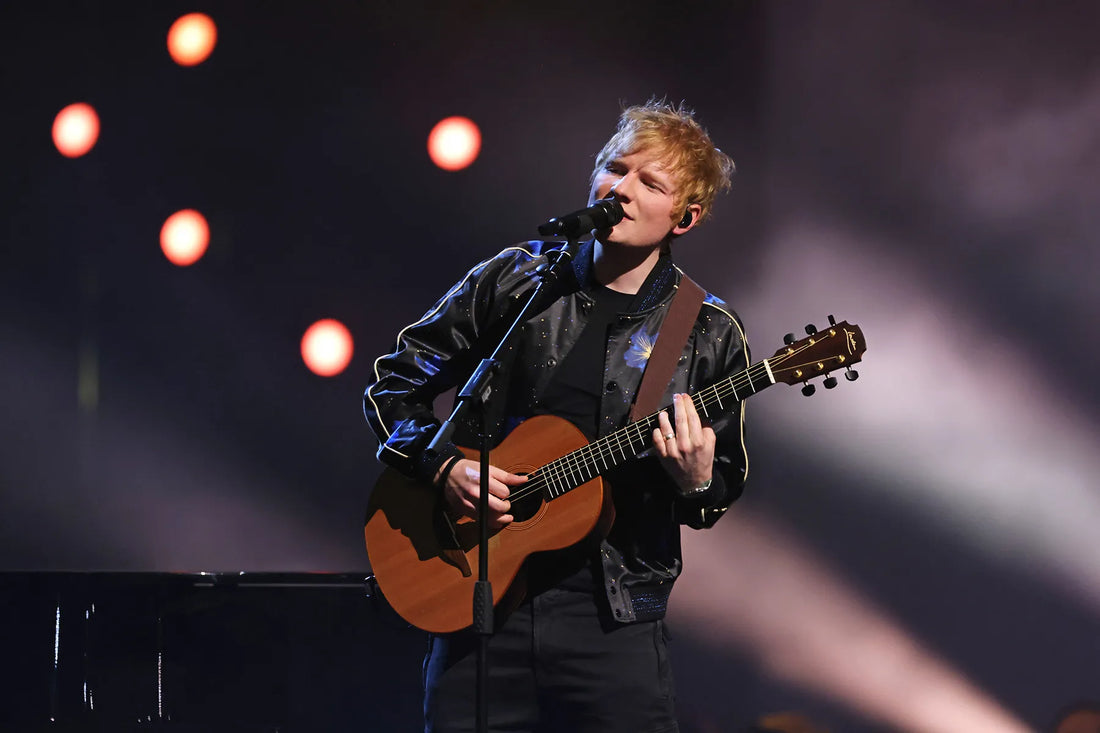
Ed Sheeran-Style Vocals: Natural Intimacy & Lift
Ed Sheeran’s records balance living-room intimacy with stadium-size hooks. The lead sounds close and honest, stacks widen without blur, and acoustic instruments breathe around the voice. This guide maps capture, session layout, chain design, space, automation, and delivery so your vocal stays human at verse distance and opens wide at the chorus. I. Sound goal: conversational center, chorus bloom We want a mono-solid center with soft air, controlled sibilance, and a warm lower mid. Verses feel intimate—like the singer is a step closer to the mic. Choruses gain width and lift through doubles and harmonies, not through hyped brightness. Presence lane: gentle clarity in the 2.5–4 kHz region; avoid spiky boosts. Air window: a restrained 10–12 kHz shelf only after sibilants are calm. Body band: supportive 120–200 Hz; keep 250–350 Hz from getting cloudy with guitars. Imaging: lead stays centered and steady; size comes from layers and returns. II. Capture plan: soft edges, clean diction Mic position. 15–20 cm behind a pop filter. Place the capsule slightly above lip line and angle 10–20° off-axis if your mic is bright. This reduces S-edge and plosives before processing. Level targets. Track raw peaks around −12 to −8 dBFS so transients survive. Avoid heavy input compression; let mix-time dynamics shape the feel. Take strategy. Print a “conversational” main for verses and a slightly more projected pass for hooks. Record precise word-targeted doubles, high/low harmonies for chorus lift, and a breathy whisper layer if the song leans pop. Comp & clip gain. Build one clean composite for the lead. Tame loud plosives with clip gain before compression. Keep musical breaths; fade only distracting gasps. Room sanity. A small, controlled space beats a roomy one. For a quick studio setup checklist that helps the take translate, review this home vocal studio guide. III. Session layout: lanes that scale from verse to hook Organize by function so you can add size without losing focus. Lead — main narrative; rides and EQ focus here. Doubles (L/R) — tight unisons on selected words/line ends; micro-panned. Harmonies (Hi/Lo) — softer and wider than doubles; filtered low-mids. Whisper/Texture — airy layer for choruses; very high-passed and narrow-band. Ad-libs — tastefully placed, not constant; more in bridges or final hook. Vocal Bus — light glue + shared de-ess so stacks read as one voice. Guitar Bus — strums/picking; gentle M/S shaping for space around the vocal. Beat/Keys Bus + Sub Rail — keys/pads, and a separate low-end rail for ducking collisions. IV. Core chain: natural polish, zero harshness Small steps stack well. Let automation and arrangements drive emotion. Pitch control. Set key/scale. Verses prefer moderate speed with preserved formants; hooks can be a touch tighter. Use humanize/transition for natural vowels. Subtractive EQ. HPF 70–100 Hz as needed. If booth haze appears, dip 250–350 Hz wide (−1 to −2 dB). Relax nasality with a narrow notch near ~1 kHz only if required. Compressor A (shape). 2:1–3:1; attack 20–40 ms; release 80–170 ms or auto. Aim 3–5 dB on phrases so consonants stay articulate without clamp. Broad de-esser. Start ~6–8 kHz with a wide band; tune by earbuds. Keep S’s silky; avoid “lispy.” Color (low mix). Tape/transformer or gentle triode at 5–10% blend for cohesion. Match output so “louder” doesn’t trick you. Compressor B (safety). Faster action catching 1–2 dB peaks to steady sends and center imaging. Polish EQ. If diction still hides, add +0.5–1 dB at 3–4 kHz (wide). Add a tiny 10–12 kHz shelf only after sibilance is stable. V. Layer craft: doubles, harmonies, and texture Doubles. Use surgically—on line ends or hook words. HPF a bit higher than the lead; slightly more de-ess; tuck 6–9 dB below. Micro-pan L/R for width without chorus artifacts. Harmonies. One above, one below for choruses. Pan them wider than doubles and filter low-mids more firmly to keep the center clean. A tiny 5 kHz lift (0.5–1 dB) on harmonies can add shimmer without sharpening the lead. Whisper/Texture. Very high-passed (e.g., 250–300 Hz) and band-limited. Ride it up only in the chorus for excitement without volume. Bridge/Outro choices. Consider a single, centered harmony or a stacked octave to evolve the arc without raising overall level. VI. Space design: intimacy that opens on the hook Early reflections for closeness. Short mono room (0.4–0.7 s) with 20–40 ms pre-delay. HPF/LPF returns so they read as air, not mud or hiss. Slap for dimension. Mono slap 90–120 ms; filter ~150 Hz–6 kHz. Automate the send up on entry words, down during dense consonants. Tempo echo. 1/8 or dotted-eighth with low feedback. Sidechain-duck from the lead so repeats bloom in gaps. Pan occasional throws opposite a harmony for motion. Pop plate or small hall. 0.7–1.0 s decay with 20–50 ms pre-delay. Keep verses tighter; let the chorus open slightly by riding send/decay instead of switching to a longer reverb. Stereo discipline. Keep the lead insert chain mono-strong. Place width in harmonies and FX returns; this protects lyric focus and mono translation on phones. VII. Living with acoustics, loops, and low-end Guitar coexistence. On the Guitar Bus, try a gentle M/S shape: a small mid cut around 2–3 kHz when the vocal speaks (keyed dynamic EQ), and a side lift around 5–8 kHz for shimmer that stays out of the center. Keys & pads. If keyboards wash over the lead, high-pass the pad return higher and use a keyed 2–4 kHz dip on the Keys Bus so diction stays clear. Sub management. If syllables vanish under bass notes or kick tails, apply a keyed low-shelf reduction at 120–180 Hz on the Sub Rail during vocal phrases. Keep moves subtle to avoid pumping. Loop layers. If you use looped percussion, carve a tiny 3–5 kHz notch in the loop when the voice speaks so stick noise doesn’t fight consonants. VIII. Micro-automation: small rides, big emotion Level rides. ±0.5–1 dB into downbeats; lift pre-chorus end-phrases by 0.3–0.7 dB to cue the chorus. De-ess threshold moves. Loosen 1–2 dB on dark passages; tighten on bright vowels. EQ swells. A brief +0.5 dB wide boost around 3.5 kHz on a single word can spotlight a lyric without increasing overall brightness. Color staging. Add 3–5% more saturation in the final hook for perceived energy; pull it back for close verses. FX choreography. Raise slap on entry words, reduce during tongue-twisters; reserve long throws for transitions only. Prefer to focus on writing and performance while a human partner handles balance, rides, and stem prep? Book acoustic-pop mixing services and keep momentum while locking translation across speakers. IX. Troubleshooting: problem → focused move S’s feel sharp. Widen the de-ess band; lower any air shelf by 0.5 dB; low-pass delay returns to ~6–7 kHz. Phones sound thin. Add a gentle wide +0.5 dB at 150–180 Hz on the lead; make sure the Sub Rail duck isn’t excessive. Chorus width smears lyric. Keep lead insert mono; push width into harmonies/returns; shorten plate pre-delay by 10 ms. Guitars mask diction. Tighten the keyed 2–4 kHz dip on the Guitar/Keys Bus; verify a quick release so instruments recover between syllables. Retune artifacts on long vowels. Slow speed; increase humanize/transition; confirm formants are preserved. Plosives pop. Clip-gain the burst; nudge HPF slightly higher on the word; re-check pop filter distance. X. Two ready-to-tweak chains Stock-only path (any major DAW) Pitch correction: key/scale; verses moderate, hooks tighter; formants on; humanize enabled. EQ: HPF 80–90 Hz; wide −1 to −2 dB at 250–350 Hz if boxy; optional narrow notch near 1 kHz if nasal. Comp A: 2:1–3:1; attack ~25 ms; release ~120 ms; ~3–5 dB GR on phrases. De-ess: broad band 6–8 kHz; tune by earbuds, not meters. Saturation: light tape/transformer at low mix; output matched. Comp B: faster, catching 1–2 dB peaks to steady FX sends. Polish: micro shelf at 10–12 kHz only after de-essing if the mic is dark. Sends: mono room 0.4–0.7 s; slap 90–110 ms; 1/8 or dotted-eighth delay with ducking; short plate for chorus bloom. Third-party flavor (example) Auto-Tune/Melodyne by section; preserve formants; soften transitions for legato lines. Dynamic EQ (Pro-Q-style): HPF; dynamic notch at 250–300 Hz when booth bloom appears; optional narrow notch near 1 kHz. Opto comp (LA-2A-style) for body/sustain; match output carefully. Resonance control (Soothe-style) lightly in 4–8 kHz only as needed. 1176-style comp for fast peak catching (1–2 dB GR). Air EQ (Maag-style) micro +0.5–1 dB at 10–12 kHz if necessary. FX: EchoBoy slap + dotted-eighth; bright plate; optional chorus-only hall at low level for bloom. XI. Delivery & versions: pass checks on first upload During the mix. Leave headroom; target mix peaks near −3 dBFS. Avoid brickwall limiting on the mix bus; inter-sample safety belongs at the end. Glossary (quick). dBFS is digital level where 0 clips. LUFS estimates perceived loudness—use it to compare versions, not to chase a number mid-mix. True peak (dBTP) catches inter-sample spikes; keep final masters below 0 dBTP. Version set. Print stereo WAV, 24-bit at session rate. Export aligned alternates from bar 1 with tails: Main, Clean, Instrumental, A Cappella, and TV Track. For platform-ready loudness and consistent tone across versions, finish with mastering for acoustic pop. XII. Wrap-up: human first, polish second Ed Sheeran’s blueprint is human-scale storytelling that blossoms at the hook. Keep the center honest, let harmonies and returns provide size, and carve instruments only when the lyric needs room. With a disciplined chain and small, musical automation, your mix translates on phones, earbuds, and big rooms alike. When you want experienced ears to co-pilot balance and movement while you keep creating, lean on trusted mixing services for singer-songwriters and ship consistently strong releases.
Learn more
Dial In Khalid-Style Vocals (Air, Warmth & Space)
Khalid’s vocal aesthetic is intimate and open: soft edges, smooth brightness, and a warm center that floats above modern R&B and pop beats. Your goal is a mono-solid lead with gentle air, supportive doubles, and wide harmonies that bloom in the chorus—never icy, never boxy. I. Sound palette: warm core, silky top, relaxed presence This sound lives between singer-songwriter intimacy and radio pop polish. Consonants read at low volume; sibilance is smooth; body is present without mud. Think “close conversation” in the verses and “open hillside” in the hooks. Presence lane: focus clarity around 2.5–4 kHz, shaped with broad de-essing so brightness never turns sharp. Air window: a restrained 10–12 kHz shelf only after S’s are calm; aim for silk, not sparkle spray. Body band: 120–200 Hz for chest; manage 250–350 Hz to avoid haze, especially under pads and guitars. Imaging: center the lead; put width into harmonies, whispers, and FX returns. II. Capture moves that save the mix Mic position. 15–20 cm behind a pop filter; capsule slightly above the lip line, angled 10–20° off-axis if your mic is bright. This softens S’s and tames plosives before processing. Input level. Track raw peaks around −12 to −8 dBFS. Keep the front end clean—no heavy compression on input. You want transient detail for later control. Take planning. Record an honest main pass. Add a softer “breathy” layer for verses if the lyric calls for it, and a fuller “projected” pass for hooks. Capture low and high harmonies plus occasional falsetto pads. Label takes by role and section so comping stays fast. Retune strategy. Verses prefer moderate speed with formants preserved and humanize/transition for natural vowels. Hooks can be slightly tighter. Avoid obvious artifacts unless stylistic. III. Layer architecture for soft-wide pop/R&B Build size with intention instead of level alone. A clear map keeps the center honest and the chorus epic. Lead — main narrative; rides and EQ focus here. Doubles (L/R) — tight unisons on selected syllables and line ends; micro-panned. Harmonies (Hi/Lo) — wider than doubles; softer and slightly darker so the lead stays silkier. Falsetto/Pad — airy texture for pre-chorus/chorus; band-limited, slow attack if needed. Ad-libs (A/B) — discreet phrases, breaths, and hums for momentum. Vocal Bus — light glue and shared de-ess; avoid heavy bus compression that flattens dynamics. Beat Bus + Sub Rail — one for the instrumental body, one for 808/low end to solve collisions quickly. IV. Control chain: smooth clarity without edge Small, musical steps that layer cleanly. Let automation create the drama. Pitch control. Key/scale set; verses moderate, hooks a bit faster; formants on; humanize/transition for legato slides. Subtractive EQ. HPF 70–100 Hz (context). For booth haze, dip 250–350 Hz wide (−1 to −2 dB). If nasal, notch ~1 kHz gently. Compressor A (shape). 2:1–3:1; attack 20–40 ms; release 80–170 ms or auto. Aim 3–5 dB on phrases so consonants breathe, then sit. De-esser (broad). Start 6–8 kHz with a wide band; tune by earbuds. Keep S’s “soft-bright,” not dull. Color (low mix). Tape/transformer/triode at 5–10% blend for cohesion. Match output so level increases don’t bias choices. Compressor B (safety). Faster action catching 1–2 dB peaks to stabilize FX sends and keep the center steady in choruses. Polish EQ. If diction still hides, add +0.5–1 dB around 3–4 kHz (wide). Add a tiny 10–12 kHz shelf only after de-essing. V. Space recipes: roomy pop without reverb soup Early reflections for closeness. A short mono room (0.4–0.7 s) with 20–40 ms pre-delay gives “face-to-face” feel. HPF/LPF returns so they read as air, not mud or hiss. Slap for intimacy. 80–120 ms mono slap; filter ~150 Hz–6 kHz. Automate a small send bump on entry words and cool it during dense consonants. Tempo echo for lift. 1/8 or dotted-eighth with low feedback. Sidechain-duck from the lead so repeats bloom in gaps. Pan occasional throws opposite a harmony to add motion without smear. Chorus bloom. A bright, short plate (0.7–1.0 s) or small hall with 20–50 ms pre-delay. Reserve more decay for choruses; keep verses tight and conversational. Width placement. Keep the lead insert chain mono-true. Put stereo width on harmonies and FX returns; this protects lyric focus and mono translation. VI. Beat coexistence: synth pads, guitars, and gentle 808 Presence window on the Beat Bus. Use a vocal-keyed dynamic EQ to dip 2–4 kHz lightly while the lead speaks; release quickly so guitars/synths recover between lines. Low-end respect. If words sink under sub tails, apply a keyed low-shelf reduction at 120–180 Hz on the Sub Rail during vocal phrases. Keep moves subtle to avoid pumping. Top-end comfort. If cymbals or string noise feel icy, try a narrow M/S dip at 9–10 kHz on the sides; keep center brightness for diction. Phone-speaker check. The lead must be mono-strong. Put “air” in returns and pads, not in the center insert. VII. Automation scenes that sell emotion Level rides. ±0.5–1 dB into downbeats; tiny lifts at the ends of phrases to carry lines over sustained chords. De-ess threshold moves. Loosen by 1–2 dB on dark words; tighten on bright vowels; automate per section. Color staging. Raise saturation a few percent in choruses to add density; pull it back in whispery verses. FX choreography. Slap up on rhetorical questions; longer throws only on section transitions; ride plate decay +0.2–0.4 s for final hook bloom. Bus glue. On the Vocal Bus, 1–2 dB of slow-attack, medium-release compression can help stacks move as one, yet still breathe. If you’d like a human partner to handle rides, balance, and stem prep while you focus on songwriting and performance, book collaborative mix support and keep momentum high. VIII. Troubleshooting: fast fixes S’s feel edgy. Broaden the de-ess band; reduce any air shelf by 0.5 dB; low-pass delay returns around 6–7 kHz. Phones sound thin. Add a gentle wide +0.5 dB at 150–180 Hz on the lead; ensure the Sub Rail ducking isn’t excessive. Chorus width smears lyric. Keep lead insert mono; move width into harmonies and returns; shorten plate pre-delay by 10 ms. Guitars mask presence. Tighten the keyed 2–4 kHz dip on the Beat Bus; verify quick release so guitars pop back between syllables. Retune artifacts on long vowels. Slow speed; increase humanize/transition; confirm formants are preserved. P/B plosives. Clip-gain the burst; nudge the HPF a little higher for that word; check pop-filter distance. IX. Two chains you can drop in today Stock-only path (any major DAW) Pitch correction: key/scale; moderate in verses, slightly faster in hooks; formants on; humanize engaged. EQ: HPF 80–90 Hz; wide −1 to −2 dB at 250–350 Hz if boxy; optional narrow notch near 1 kHz if nasal. Comp A: 2:1–3:1; attack 25 ms; release 120 ms; 3–5 dB GR on phrases. De-ess: broad band at 6–8 kHz; tuned by earbuds, not meters. Saturation: light tape/transformer at low mix; output matched. Comp B: faster, catching 1–2 dB peaks to steady FX sends. Polish: micro shelf at 10–12 kHz only after de-essing if the mic is dull. Sends: mono room 0.4–0.7 s; slap 90–110 ms; 1/8 or dotted-eighth with ducking; short plate for chorus lift. Third-party flavor (example) Auto-Tune/Melodyne by section; preserve formants; soften transitions for legato lines. FabFilter-style dynamic EQ: HPF; dynamic notch at 250–300 Hz when booth bloom appears; optional narrow notch near 1 kHz. Opto comp (LA-2A-style) for body/lift; match output carefully. Resonance control (Soothe-style) lightly in 4–8 kHz only as needed. 1176-style comp for peak catching (fast release); 1–2 dB GR. Air EQ (Maag-style) micro +0.5–1 dB at 10–12 kHz if necessary. FX: EchoBoy slap + dotted-eighth; bright plate; optional chorus-only hall parallel at −12 dB for bloom. X. Delivery & handoff: smooth pipeline to release During the mix. Keep peaks near −3 dBFS; avoid brickwall limiting on the mix bus. True-peak safety and competitive loudness belong at the final stage. Version set. Print stereo WAV, 24-bit at session rate. Export aligned alternates from bar 1 with tails: Main, Clean, Instrumental, A Cappella, and TV Track. Finalization. To match tone and loudness across versions and ensure platform-safe true peaks, finish with release-ready mastering for singles. XI. Closing note: soft power, big canvas Khalid’s blueprint is calm confidence—a warm center with silky air, small rides that feel human, and chorus width that opens the room without stealing focus. Keep processing modest, carve space in the beat only when the lyric needs it, and let harmonies do the heavy lifting for size.
Learn more
How to Mix Vocals Like Ava Max (Pop Shine & Anthem Hooks)
Ava Max’s sound is bright, confident, and anthemic. The lead sits forward with silky air, stacks bloom wide, and hooks feel larger than life without harshness. This guide shows you how to capture that tone, arrange layers, build a clean chain, and shape space that lifts choruses. For a fast head start, audition modern pop vocal presets and then fine-tune thresholds, attack times, and send levels to your voice and mic. I. The target profile: sparkle, control, and lift Pop vocals need clarity at low volume and excitement at high volume. Consonants must be readable on earbuds. Air should feel glossy, not brittle. Low-mids stay lean so synths and kicks breathe. Your center image is firm in mono; the size comes from harmonies, doubles, and time-based FX—not from widening the lead itself. Presence lane: 2.8–4.2 kHz for diction; smooth with broad de-essing. Air window: 10–12 kHz lift after sibilance is calm; keep it subtle. Body band: 120–180 Hz adds authority; avoid 250–350 Hz haze. Hook lift: width and shimmer arrive on the chorus only; verses stay tighter and drier. II. Recording recipe: bright pop without harshness Mic placement. 15–20 cm behind a pop filter; set the capsule slightly above the lip line and angle 10–20° off-axis if your mic is bright. This softens S’s and tames plosives before they hit the chain. Input level. Track raw peaks around −12 to −8 dBFS. Leave compression for the mix; transient shape is valuable. Takes & comping. Capture a confident main. Record precise doubles for key words only. Add two harmony passes (one above, one below) for hooks, plus a whisper layer for texture if it fits the song. Label takes by role so edits stay fast. Retune strategy. Hooks can take a quicker speed; verses benefit from moderate settings with formants preserved and humanize/transition smoothing long vowels. III. Session map: lanes for pop stacks and lift Set up lanes so you can build size intentionally, not by accident. Lead — central performance; automation focus. Doubles (L/R) — tight unisons on selected syllables; micro-panned. Harmonies (Hi/Lo) — softer and wider than doubles; filtered low-mids. Whisper/Texture — breathy layer for choruses; high-passed and band-limited. Ad-libs (A/B) — short phrases, responses, and lift lines. Vocal Bus — light glue and shared de-ess. Beat Bus + Sub Rail — for synth/drum shaping and 808/low-end control. IV. Core chain: shine without sting Use minimal, musical moves. Let layers and rides create the drama. Pitch control. Key/scale set; verses moderate, hooks faster; preserve formants; enable humanize/transition so slides feel natural. Subtractive EQ. HPF ~80–100 Hz. If the booth adds “box,” dip 250–350 Hz wide (−1 to −2 dB). If nasal, a narrow notch near 1 kHz. Save boosts for the end. Compressor A (shape). 2:1–3:1, attack 15–35 ms, release 80–160 ms or auto. Aim 3–5 dB GR on phrases; let consonants breathe. De-esser (broad). Start 6–8 kHz; set range by what you hear on earbuds. Avoid “lispy” artifacts. Color (low mix). Tape/transformer/triode at 5–10% blend for density. Match output so loudness doesn’t bias choices. Compressor B (safety). Faster action catching 1–2 dB peaks; stabilizes sends and supports steady center imaging. Polish EQ. If diction still hides, +0.5–1 dB at 3–4 kHz (wide). Add a tiny 10–12 kHz shelf only after de-essing. V. Hook architecture: octave stacks, whispers, and lifts Doubles. Use on target words or ends of lines. HPF slightly higher than the lead; add a touch more de-ess; tuck 6–9 dB under. Micro-pan L/R for width without chorus artifacts. Harmonies. Record one above and one below. Pan wider than doubles. Filter low-mids to keep the mix clear. A gentle 5 kHz boost (0.5–1 dB) on harmonies can add shimmer while leaving the lead smooth. Whisper layer. Very high-passed (e.g., 250–300 Hz) with a small air lift; ride it up only in the chorus to add excitement without volume. Lift lines. Short ad-libs or breaths that push into the hook. Keep them narrow-band and side-panned so they don’t compete with the lead. VI. Space design: radio polish without wash Mono slap. 90–120 ms for immediacy; filter return to ~150 Hz–6 kHz. Automate a small send bump on bar-entry words. Tempo echo. 1/8 or dotted-eighth with low feedback. Add sidechain ducking from the lead so repeats bloom in gaps. Pan occasional throws opposite a harmony for interest. Pop plate. Bright, short plate (0.7–1.0 s) with 20–50 ms pre-delay. Always HPF/LPF returns. Keep verses drier and let the chorus open slightly. Stereo sense without smear. If you need extra width in the chorus, place it on harmonies and reverb returns, not on the lead insert. The main voice should remain mono-strong. VII. Living with bright synths and hard kicks Presence window. On the Beat Bus, insert a dynamic EQ keyed from the lead to dip 2–4 kHz lightly while the singer performs; release quickly so synth hooks recover between phrases. Kick and bass. If syllables vanish under low-end tails, apply a keyed low-shelf reduction at 120–180 Hz on the Sub Rail when the vocal is active. Keep moves subtle to avoid pumping. Top-end hash. For cymbal/hat glare, try a narrow M/S dip around 9–10 kHz on the sides only; keep center brightness for diction. Mono translation. Verify the lead remains solid when the mix collapses to mono. Width should come from stacks and FX, not from the center lane. VIII. Micro-automation: polish that sells the hook Vocal rides. ±0.5–1 dB into downbeats; lift pre-chorus end-phrases 0.3–0.7 dB to cue the hook. De-ess threshold moves. Loosen by 1–2 dB on dark words; tighten for bright vowels. EQ swells. A brief +0.5 dB wide boost at ~3.5 kHz on a single word can spotlight meaning without pushing overall brightness. Saturation scenes. Slightly more color on doubles than the lead to keep the center clean. FX choreography. Raise slap on entry words; cut it during dense consonants; reserve long throws for section transitions. IX. Troubleshooting quick map S’s are sharp. Widen the de-ess band; lower any air shelf by 0.5 dB; low-pass delay returns to 6–7 kHz. Hook feels small. Ease the doubles’ HPF a few Hz; add +1 dB at 160–200 Hz (wide) on doubles; ride harmonies +0.5 dB in the chorus only. Whisper layer hisses. Narrow its bandwidth further and add a tiny transient shaper to keep shape without extra top end. Beat clouds the lead. Tighten the keyed 2–4 kHz dip on the Beat Bus; verify short release so synths bounce back between syllables. Retune sounds robotic in verses. Slow speed; increase humanize; confirm formants are preserved. Phones sound thin. Add a very gentle +0.5 dB wide boost at 150–170 Hz on the lead; ensure the Sub Rail isn’t over-ducking. X. Two ready-to-tweak chains Stock-only path (any major DAW) Pitch correction: key/scale; verses moderate, hooks faster; humanize; formants on. EQ: HPF 90 Hz; wide −1 to −2 dB at 250–350 Hz if boxy; narrow notch near 1 kHz if nasal. Comp A: 2:1–3:1; attack ~20 ms; release ~120 ms; 3–5 dB GR on phrases. De-ess: broad band around 6–8 kHz; tuned by earbuds. Saturation: light tape/transformer at low mix; output matched. Comp B: faster, catching 1–2 dB peaks; keeps sends steady. Polish shelf: micro 10–12 kHz lift only after de-essing, if the mic is dark. Sends: mono slap 90–110 ms; 1/8 or dotted-eighth delay with ducking; short bright plate for hook lift. Third-party flavor (example) Auto-Tune/Melodyne by section; formants preserved. Dynamic EQ (Pro-Q-style): HPF; dynamic notch at 250–300 Hz when booth bloom appears; optional narrow notch near 1 kHz. Opto comp (LA-2A-style) for smooth body; output matched. Resonance control (Soothe-style) lightly in 4–8 kHz only if edgy. 1176-style comp for fast peak catching (1–2 dB GR). Air EQ (Maag-style) micro +0.5–1 dB at 10–12 kHz if needed. FX: EchoBoy slap + dotted-eighth; bright small plate; optional whisper bus with band-pass and a slow auto-pan for chorus texture. XI. Delivery & versions: pass QC on the first upload During the mix. Leave headroom. Keep mix peaks near −3 dBFS; avoid brickwall limiting on the mix bus. True-peak safety happens at the final stage. Print list. Stereo WAV, 24-bit at session rate. Export aligned alternates from bar 1 with tails: Main, Clean, Instrumental, A Cappella, and TV Track. If you collaborate with Logic users, this Logic Pro stem export guide keeps handoffs consistent and fast. Finalization. To lock loudness, tone, and platform safety across versions, finish with radio & streaming pop mastering. XII. Final word: bright, bold, and controlled Ava Max’s blueprint is modern pop confidence—sparkle up top, clean low-mids, and choruses that open wide without losing the center. Keep processing modest, put width into stacks and FX, and choreograph small rides that sell each line. If you want a trusted partner to shape balances and automation while you focus on songwriting and performance, book chart-ready pop mixing and ship records faster with consistency.
Learn more
How to Mix Vocals Like Lil Tecca (Melodic Clarity & Bounce)
Lil Tecca’s mixes feel weightless and catchy: bright but smooth, rhythmically tight, and melody-first. The lead stays light in the low-mids, stacks are silky, and FX dance with the hi-hat grid. This guide shows how to capture that tone, organize stacks, build a gentle chain, and fit the voice into shiny two-track beats. I. The sound target: glossy melody with pocket Think “pop-leaning rap” that translates on earbuds and car systems. Consonants are clear without harshness. Low-mids are lean so the beat breathes. Air is present but not icy. The center image is steady, while width lives in harmonies and tasteful ad-libs. Presence lane: 2.8–4 kHz for intelligibility, smoothed with broad de-essing. Air window: subtle 10–12 kHz lift only after S’s are calm. Body band: tight 120–180 Hz; avoid 250–350 Hz fog. Movement: slap/tempo echoes aligned to hat patterns, not long plates. II. Capture decisions that pay off later Mic placement. 15–20 cm behind a pop filter, capsule slightly above the lip line to soften plosives. For brighter mics, angle 10–20° off-axis. Record level. Track raw peaks around −12 to −8 dBFS. No heavy input compression—keep transient shape for mix control. Takes & comping. Main melody first; then doubles on chosen phrases (not every line). Record light harmonies (one above, one below) and sprinkle ad-libs for momentum. Clip-gain any big P/B bursts before dynamics processing. Retune strategy. Pop-melodic feel wants faster retune on hooks, moderate in verses. Preserve formants; use humanize/transition so long vowels sound natural. III. Session layout: lanes for clean stacking Organize so you can move fast without over-processing. Lead — the main melody; rides and EQ focused here. Doubles (L/R) — tight unisons on selected words for size. Harmonies (Hi/Lo) — softer level than doubles; wider panning. Ad-libs (A/B) — short phrases, whispers, or calls; treated as rhythmic elements. Vocal Bus — gentle glue and shared de-ess so stacks feel like one voice. Beat Bus + Sub Rail — one for the instrumental, one for 808/low end to solve collisions. IV. Chain blueprint: light polish, zero mud Use small moves that stack well. Let automation and arrangement do most of the lifting. Pitch control. Key/scale set; hooks quicker, verses moderate; formants preserved; humanize enabled. Subtractive EQ. HPF ~80–100 Hz (context). If the booth adds “box,” dip 250–350 Hz wide (−1 to −2 dB). If nasal, a narrow notch near 1 kHz. Save boosts for later. Compressor A (shape). 2:1–3:1, attack 15–30 ms, release 80–160 ms or auto. Target 3–5 dB reduction on phrases so consonants breathe. Broad de-esser. Start 6–8 kHz with a wide band. Tune by earbuds, not meters. Keep S’s natural. Color (low mix). Tape/transformer/triode at 5–10% blend for cohesion. Match output to avoid “louder sounds better.” Compressor B (safety). Faster action catching 1–2 dB peaks to stabilize FX sends and keep the lead steady. Polish EQ (optional). +0.5–1 dB at ~3–4 kHz (wide) only if diction still hides; tiny 10–12 kHz shelf after de-essing if needed. V. Stacks & ad-libs: size without haze Doubles. Record two very tight unisons on target words. HPF slightly higher than the lead, more de-ess, and tuck 6–9 dB lower. For width, micro-pan L/R; avoid chorus-style modulation that collapses in mono. Harmonies. Keep them soft and airy. Pan wider than doubles, and filter low-mids more aggressively. A 0.5–1 dB lift around 5 kHz on harmonies can help shimmer without pushing the lead into harshness. Ad-libs. Treat as percussion. Narrow the bandwidth (e.g., 200 Hz HPF, 8–10 kHz LPF), pan alternately by section, and automate 0.5–1 dB bumps into bar lines. Drier in verses, slightly shinier into hooks. VI. Time & space: pocketed FX that move with the beat Slap for attitude. Mono slap 90–120 ms adds presence without haze. Filter the return to ~150 Hz–6 kHz. Tempo echo. 1/8 or dotted-eighth with low feedback. Sidechain-duck from the lead so repeats bloom in gaps. Pan occasional throws opposite the ad-lib that triggered them. Room/plate. Short bright plate or small room (0.6–1.0 s) with 20–50 ms pre-delay. Always HPF/LPF returns. Tecca-style verses favor dryness; let hooks open a touch. Auto-movement. Gentle auto-pan on harmony pads or ad-libs at slow rates (e.g., one bar) to add motion without distraction. VII. Living with two-track beats (and bright hats) Presence window. On the Beat Bus, use a vocal-keyed dynamic EQ to dip 2–4 kHz slightly while the lead speaks. The beat reclaims that space between lines. 808 coexistence. If syllables vanish under sub tails, add a keyed low-shelf dip at 120–180 Hz on the Sub Rail when the vocal is active. Keep moves subtle to avoid audible pumping. Hat and cymbal splash. If top-end hash competes with air, try a narrow M/S dip around 9–10 kHz on sides only; the center stays bright for diction. Mono check. Keep the lead mono-strong. Place width in doubles, harmonies, and FX. Your chorus should survive a phone speaker without losing melody. VIII. Micro-automation: small rides, big polish Volume rides. ±0.5–1 dB into downbeats; lift end-phrases by 0.3–0.7 dB to sell hooks. De-ess threshold. Relax 1–2 dB on darker phrases; tighten on brighter vowels. FX choreography. Raise slap on entry words, lower during dense consonants; trigger longer throws only on section transitions. Saturation scenes. Slightly more color on doubles than lead to keep the center clean. Harmonic glue. A touch of bus compression (1–2 dB, slow attack, medium release) across the Vocal Bus can make stacks breathe as one. If your session gets dense and you prefer a collaborator for rides, balances, and stem prep, book online mix engineering so you can stay focused on writing and performance. IX. Troubleshooting quick map S’s feel sharp. Widen de-ess band; back off any air shelf by 0.5 dB; low-pass delay returns to ~6–7 kHz. Hook feels small with doubles. Ease the doubles’ HPF a few Hz; add +1 dB at 160–200 Hz (wide) on doubles; blend 10–20% parallel warmth. Ad-libs crowd the lead. Automate a −1 to −2 dB dip on the ad-lib bus when the lead speaks; narrow their bandwidth further. Lead sounds thin on phones. Add a gentle wide +0.5 dB at 150–180 Hz on the lead; verify the Beat Bus isn’t scooping too much there. Retune gets robotic in verses. Slow speed slightly; raise humanize; confirm formants are preserved. Beat fights the melody. Tighten the keyed 2–4 kHz dip; shorten delay feedback so echoes don’t sit on top of the vocal line. X. Two ready-to-tweak chains Stock-only (any major DAW) Pitch correction: key/scale; hooks fast, verses moderate; formants on; humanize engaged. EQ: HPF 90 Hz; −1 to −2 dB wide at 250–350 Hz if boxy; optional narrow notch near 1 kHz if nasal. Comp A: 2:1–3:1; attack 20 ms; release 120 ms; 3–5 dB GR on phrases. De-ess: broad band 6–8 kHz, tuned by earbuds. Saturation: light tape/transformer at low mix; output matched. Comp B: faster, catching 1–2 dB peaks; stable sends. Polish: micro shelf at 10–12 kHz only if needed after de-essing. Sends: slap 90–110 ms; 1/8 or dotted-eighth delay with ducking; short bright plate/room for hook lift. Third-party flavor (example) Auto-Tune/Melodyne tuned by section; formants preserved. FabFilter-style dynamic EQ: HPF; dynamic notch at 250–300 Hz when booth bloom appears; optional narrow notch ~1 kHz. Opto comp (LA-2A-style) for body; matched output. Resonance control (Soothe-style) lightly in 4–8 kHz only if edgy. 1176-style comp for fast peak catching (1–2 dB GR). Air EQ (Maag-style) micro +0.5–1 dB at 10–12 kHz if the mic is dark. FX: EchoBoy slap + dotted-eighth; bright small plate; subtle auto-pan on harmony pads. XI. Delivery & versions: clean handoff During the mix. Leave headroom; avoid brickwall limiting. Keep mix peaks near −3 dBFS; true-peak control lives in mastering. Print list. Stereo WAV, 24-bit at session rate. Export aligned alternates from bar 1 with tails: Main, Clean, Instrumental, A Cappella, and TV Track. If you’re preparing a collaboration and need to send multitracks quickly, this walkthrough on how to export stems from Pro Tools keeps handoffs consistent. Final stage. For cohesive tone across versions and platform-safe peaks, book single and EP mastering—one pass that aligns loudness, limits true peaks, and checks mono/stereo translation. XII. Wrap-up: light touch, strong hooks Lil Tecca’s recipe is melodic ease with precise pocket. Keep the lead lean and clean, put width into stacks and ad-libs, and choreograph FX to the hat grid. Small corrective EQ, gentle compression, and smart automation will carry your voice on any speaker. If you’d like a partner to lock balances while you create, lean on online mix engineering and ship songs faster with confidence.
Learn more
How to Mix Vocals Like Kendrick Lamar (Dynamics & Narrative)
Kendrick Lamar’s voice moves from whisper to shout, from close confessional to stage-ready attack. The mix must hold that range without losing diction or emotion. In this guide you’ll capture the tone, organize sessions for character voices, design a control chain that breathes, and sculpt space that supports the story—not just the sound. I. Sonic thesis: intimate detail with elastic power The aesthetic is close and human. Consonants are intelligible at low volume. Breath and lip noise are present but tasteful. Peaks hit hard when the lyric needs it, yet the core tone stays even. Think stable center image, lean low-mids, and carefully shaped air. Presence lane: 2.5–4 kHz brings clarity; treat it as a window, not a spike. Air window: 10–12 kHz only after sibilance is calm; keep it small. Body band: 120–200 Hz for authority; avoid 250–350 Hz boxiness. Persona contrast: different timbres share a common polish so the song feels unified. II. Recording blueprint: capture for multiple personas Mic position. 15–20 cm behind a pop filter. For bright condensers, angle 10–20° off-axis above the lip line to reduce harsh S’s and tame plosives. Keep posture consistent across takes to avoid tone drift. Level. Track raw peaks around −12 to −8 dBFS. Do not compress on the way in unless your converter demands it; dynamic shape is your friend later. Persona passes. Record the main narrative first. Then record character voices on separate takes: whisper asides, gritty emphasis lines, falsetto phrases, spoken-word lines. Label by role in the playlist so editing stays fast. Comping and clip gain. Build a single composite for the main. Use clip gain to calm plosives and shouty transients before compression. Preserve intentional breaths; fade the random ones. III. Session architecture: lanes that reflect the story Structure helps you mix faster and make braver choices. Main Narrative — the center lane; gain-staged for steadiness. Character Voices — whisper, grit, falsetto, spoken; each on its own track. Emphasis Doubles — tight unisons on key words only. Ad-libs & Asides — short calls, responses, laughs, breaths used musically. Vocal Group — gentle glue and de-ess for all vocal lanes. Beat Bus — the instrumental or stems; keep a Sub/808 rail for precision. Color-code tracks. Place markers by section (“Verse A whisper,” “Hook grit”). The map keeps intent visible as the session grows. IV. Core chain: control without losing emotion Use small moves that stack cleanly. Let automation handle drama. Pitch control. Set key and scale. Verses use moderate speed with preserved formants and humanize. Hooks can be tighter. Avoid obvious artifacts unless they’re a creative choice. Subtractive EQ. HPF 70–100 Hz depending on mic proximity. Wide −1 to −2 dB at 250–350 Hz if the booth is boxy. A narrow dip around 1 kHz can relax nasality; stay subtle. Compressor A (shape). 2:1–3:1. Attack 15–35 ms; release 80–180 ms or auto. Target 3–5 dB gain reduction on phrases so consonants stay alive. De-esser (broad-band). Start 6–8 kHz. Use a wider band and moderate range; aim for natural S’s on earbuds. Color. Tape or transformer at 5–10% mix for density. For whispered lines, a gentle tube stage can add presence without EQ. Compressor B (safety). Faster action catching 1–2 dB peaks only; this stabilizes send levels and reduces “ducking guesswork.” Polish EQ. If diction still hides, +0.5–1 dB at ~3–4 kHz (wide). Add a tiny 10–12 kHz shelf last if needed. V. Space design: rooms, throws, and “camera moves” Kendrick’s records switch perspective. Design FX that follow the scene. Room for intimacy. Short mono room (0.4–0.7 s) with 20–40 ms pre-delay. HPF/LPF the return so it reads as air, not mud. Slap for urgency. 80–120 ms mono slap for immediacy; automate it up on bar-entry words. Tempo echo. 1/8 or dotted-eighth with low feedback. Sidechain-duck from the main so repeats bloom only in gaps. Character frames. Whisper asides through a band-pass (300 Hz–3 kHz) with a hint of drive. Grit voice gets a darker plate. Each persona gets a distinct, consistent FX set so listeners feel the “camera cut.” Throw moments. Longer echoes on transitions or final words of couplets. Automate feedback and filter for tone painting. VI. Beat coexistence: narrative vs. samples, hats, and 808 Presence window on the Beat Bus. Insert a dynamic EQ keyed from the Main Narrative that dips 2–4 kHz slightly while the vocal speaks. It yields space without making the beat thin. Sub management. If words sink under the 808 tail, apply a keyed low-shelf reduction at 120–180 Hz on the Sub rail when the vocal is active. Moves should be gentle so pumping is inaudible. Sample glare. Many sample-based beats have busy mids and bright cymbals. Try a small M/S shelf cut around 9–10 kHz on the sides; keep the center bright enough for diction. Mono strength. Keep the main lane mono-solid. Put width in character voices, doubles, and FX. The story must survive on a phone speaker. VII. Micro-automation playbook Automation turns a good chain into a performance-grade mix. Volume rides. ±1 dB into downbeats; small lifts on punchlines; dips where ad-libs answer. De-ess threshold moves. Loosen by 1–2 dB on dark phrases; tighten on bright shouts. Tone swells. A tiny wide boost (+0.5 dB at 3–4 kHz) on a single word can spotlight meaning. Automate it as an EQ band, not a permanent boost. Saturation scenes. Raise color 5–10% on grit persona; pull it back for whisper lines to keep clarity. FX choreography. Bring slap up on questions, pull it back during dense consonants, and automate longer throws only at section ends. If your project has many stacked scenes and you want a human partner to ride the nuance while you create, consider mix engineering for narrative rap to co-pilot balances, rides, and stem management. VIII. Troubleshooting matrix (problem → focused move) S’s sting on earbuds. Broaden the de-ess band; back off any air shelf by 0.5 dB; low-pass delay returns to ~6–7 kHz. Whisper gets lost. Add gentle tube color; raise Comp A makeup 0.5 dB; nudge slap send +1 dB; keep delays filtered. Grit voice masks the main. Reduce 1–2 dB at 2.5–3.5 kHz on the grit track; pan off-center; shorten its reverb decay. Hook feels small with doubles. Ease the doubles’ HPF a few Hz; add +1 dB at 160–220 Hz (wide) on doubles; tuck them 6–8 dB under the main. Pops and breaths distract. Clip-gain the burst; place a gentle expander after compression; keep musical breaths that mark phrasing. Beat clashes with diction. Tighten the keyed 2–4 kHz dip on the Beat Bus; verify it releases quickly so samples recover between lines. IX. Two example chains you can drop in today Stock-only chain (any major DAW) Pitch correction: key/scale set; moderate speed for verses; tighter for hooks; formants preserved; humanize engaged. EQ: HPF 80–90 Hz; wide −1 to −2 dB at 250–350 Hz if boxy; optional narrow notch near 1 kHz if nasal. Compressor A: 2:1–3:1; attack 20 ms; release 120 ms; 3–5 dB GR on phrases. De-esser: broad band at 6–8 kHz; tune by earbuds, not meters. Saturation: tape/transformer at low mix (5–10%); output matched. Compressor B: faster, catching 1–2 dB peaks; stabilizes FX sends. Polish shelf: micro 10–12 kHz lift only if the mic is dull. Sends: mono room 0.4–0.7 s; slap 90–110 ms; 1/8 or dotted-eighth delay with ducking; long throws only at transitions. Third-party flavor (example) Melodyne/Auto-Tune by section; formants on; transitions softened for natural vowels. FabFilter Pro-Q 3: HPF; dynamic notch at 250–300 Hz when booth bloom appears; optional narrow notch near 1 kHz. Opto comp (LA-2A-style) for body; match output carefully. Resonance control (Soothe-style) lightly in 4–8 kHz if edgy. 1176-style comp for peaks (fast release); 1–2 dB GR only. Air EQ (Maag-style) micro +0.5–1 dB at 10–12 kHz if needed. FX: EchoBoy slap + dotted-eighth; room/plate pair; band-pass “phone” chain for whisper persona with light drive. X. Delivery & versions: pass checks the first time During the mix. Leave headroom; avoid brickwall limiting. Keep mix peaks near −3 dBFS. Use a true-peak limiter during mastering, not while you’re still balancing. Print list. Stereo WAV, 24-bit at session rate. Export aligned alternates from bar 1 with tails: Main, Clean, Instrumental, A Cappella, and TV Track (everything minus lead). If your session lives in FL Studio, this FL Studio stem export guide helps you prepare deliverables cleanly. Finalization. Loudness, cohesion, and inter-sample safety belong at the end. For consistent tone across versions and platform-ready peaks, book final mastering for streaming platforms. XI. Closing: translate nuance into impact Kendrick’s blueprint is clarity in motion. Keep the main lane honest, let characters speak in their own timbre, and carve the beat only when the lyric needs room. Small moves, smart automation, and deliberate space will carry the story on any speaker.
Learn more
How to Mix Vocals Like Cardi B (Punch, Presence & Swagger)
Cardi B’s voice lands right in front—clear diction, bright attitude, and ad-libs that hit like percussion. The goal is an assertive center image with clean edges and tight stacks that feel big but never messy. If you prefer a fast starting point, audition flexible vocal presets and adjust thresholds, attacks, and send levels to match your mic and delivery. I. The target: bite, body, and spotlight control You want three things working together: intelligibility that cuts at low volume, chest support that reads in small speakers, and FX that energize without blurring words. Think present 2.5–4 kHz for diction, gentle 10–12 kHz sheen after de-essing, and a tidy 140–220 Hz floor that gives authority without boom. Keep the main lane dry-leaning; save width and sparkle for doubles and ad-libs. Bite: crisp consonants with fast recovery—no brittle top or splashes of harshness. Body: focused low-mids; avoid 250–350 Hz boxiness that competes with clap/snare. Spotlight: mono-solid center image; width lives in supporting parts, not the lead. II. Capture and prep: decisions that pay off later Mic position: 15–20 cm behind a pop filter. If your mic is bright, angle 10–20° off-axis above lip line to soften S’s and plosives. Level: track raw peaks around −12 to −8 dBFS so transients stay healthy. Keep input processing minimal; save compression for the mix. Takes & comping: record a confident main, then gather emphasis words and ad-libs. Clip-gain hot consonants before compression. Preserve natural breaths where they mark groove; fade only the distracting ones. Session lanes: Main, Doubles (L/R), Ad-libs (L/R), FX returns, Vocal Group, Beat Bus, and a Sub/808 rail. Color-code so moves are quick. III. Starter chain: six moves for “front-row” clarity Pitch control: set key/scale. Hooks tolerate a quicker retune; verses like moderate speed. Keep formants preserved and use humanize/transition for smooth vowels. Subtractive EQ: HPF ~80–100 Hz (context). If booth bloom appears, dip 250–350 Hz wide (−1 to −2 dB). If nasal, notch near ~1 kHz gently. Compressor A (shape): 2:1–3:1, 15–35 ms attack, 80–180 ms release or auto. Target 3–5 dB GR on phrases so consonants punch then settle. De-esser (broad): start 6–8 kHz; wide band; reduce only what’s prickly on earbuds. Avoid “lispy” artifacts. Color (low mix): tape/transformer/triode 5–10% blend for density with matched output so level doesn’t fool you. Compressor B (safety): faster action catching 1–2 dB on peaks to stabilize sends and keep the center steady. Polish EQ (optional): if diction still hides, add +0.5–1 dB at 3–4 kHz (wide). For sheen, a tiny 10–12 kHz shelf after de-essing only. IV. Stacks & ad-libs: size without smear Main lane: stays centered and relatively dry. Use automation for excitement—ride +0.5–1 dB into downbeats and pull back between phrases to make space. Doubles: two ultra-tight unisons on selected words. HPF a bit higher than the main, slightly more de-ess, and tuck 6–9 dB under. For width, micro-pan L/R (no chorusing that collapses in mono). Ad-libs: treat as rhythmic elements. Alternate L/R by section for call-and-response. Band-limit to keep them out of the main lane (e.g., 200 Hz HPF and 8–10 kHz LPF for phone-style bits). Use them to punch transitions and underline punchlines—less chatter, more intention. FX design: mono slap 90–120 ms for attitude; filter returns to ~150 Hz–6 kHz. Add tempo echo (1/8 or dotted-eighth) with low feedback and sidechain ducking from the main so repeats bloom only in gaps. For hook lift, short plate or small room (0.7–1.2 s) with 20–50 ms pre-delay—always HPF/LPF the return. V. Make room in the beat (808s, claps, samples) Presence window: on the Beat Bus, key a small dynamic EQ dip at 2–4 kHz from the lead so consonants claim space momentarily, then release. 808 coexistence: if syllables sink under sub tails, apply a gentle vocal-keyed low-shelf reduction at 120–180 Hz on the Sub rail. Keep moves small to avoid audible pumping. Clap/snare sting: if top-end hash competes, try a narrow M/S dip at 9–10 kHz on sides only; center brightness for the voice stays intact. Two-track instrumentals: carve overlaps instead of boosting the lead. A subtle dynamic notch near 3 kHz keyed by the vocal often clears the lane without thinning the music. VI. Quick fixes (problem → move) S’s are sharp: widen the de-ess band; back off any air shelf by 0.5 dB; low-pass delay returns to ~6–7 kHz. Hook thins with doubles: ease the HPF on doubles a few Hz; add +1 dB at 160–220 Hz (wide) on doubles; blend 10–20% parallel warmth. Ad-libs mask words: automate a −1 to −2 dB dip on the ad-lib bus when the main speaks; shorten release times; narrow their bandwidth. Plosives pop: clip-gain the P/B burst; add a gentle low-shelf dip below 120 Hz on the specific word; check your pop filter placement. Mono sounds flat: keep the lead mono-strong; move width to doubles/ad-libs/FX; avoid wideners on the main lane. Robotic retune where you don’t want it: slow retune speed, raise humanize, and confirm formants are preserved; let hooks be tighter than verses. VII. Pro moves for the “Cardi” finish Transient highlights: automate a short slap send up only on bar-entry words; it reads like emphasis, not reverb. Lyric spotlighting: copy a crisp consonant from a nearby syllable to restore punch on stretched vowels. Ad-lib choreography: alternate left/right by section; ride 0.5–1 dB into hook entries; keep verses drier, hooks a touch shinier. Noise discipline: place a gentle expander after compression to keep tails natural; avoid chopping breaths that mark the groove. Team assist: if you’d rather focus on performance while someone dials balance and rides, book professional song mixing for collaborative stems and revisions. VIII. Print & delivery: pass QC the first time During the mix: keep mix peaks around −3 dBFS; leave loudness for mastering. Watch inter-sample safety with true-peak-aware limiting at the end stage. Final bounce: stereo WAV, 24-bit at session rate. Export aligned alternates from bar 1 with tails: Main, Clean, Instrumental, and A Cappella. For a smooth handoff and platform safety, run a quick pre-mastering checklist, then finish with album & single mastering so loudness, tone, and true-peak limits match across versions. IX. Two drop-in chains (copy, tweak, print) Stock-only path (any major DAW) Pitch correction: key/scale set; hooks faster, verses moderate; formants on; humanize engaged. EQ: HPF 90 Hz; wide −1 to −2 dB at 250–350 Hz if boxy; optional narrow notch near 1 kHz if nasal. Comp A: 2:1–3:1; attack ~20 ms; release ~120 ms; 3–5 dB GR on phrases. De-ess: 6–8 kHz wide band; reduce only what’s harsh on phones. Saturation: light tape/transformer at low mix; output matched. Comp B: faster, catching 1–2 dB peaks for stability. Polish shelf: tiny 10–12 kHz lift only if the mic is dull. Sends: mono slap 90–110 ms; dotted-eighth or straight 1/8 delay with ducking; short plate/room for hook lift. Third-party flavor (example) Auto-Tune/Melodyne tuned by section; formants preserved. Dynamic EQ for booth bloom at ~250–300 Hz and narrow notch near 1 kHz if needed. Opto comp (LA-2A-style) for legato body; output matched. Resonance control (4–8 kHz) only as required—light touch. 1176-style comp for fast peak catching (1–2 dB GR). Air EQ micro +0.5–1 dB at 10–12 kHz if the mic is dark. FX: slap + dotted-eighth; bright small plate; occasional phone-band throw on ad-libs for character. X. Final word: presence with personality Cardi B’s blueprint is confidence plus clarity. Keep processing modest, carve space in the beat instead of “more bright,” and place doubles/ad-libs with intention. With smart automation and disciplined stacks, your lead stays front-row without harshness—and your hooks land big.
Learn more
How to Mix Vocals Like Central Cee (UK Drill Clarity & Pace)
Central Cee’s delivery is fast, dry-leaning, and razor-clear. The vocal stays forward without harshness, with ad-libs that spark bar lines and a tight pocket against sliding 808s. This guide breaks down the capture plan, session layout, control chain, time/space design, beat fit, hook approach, fixes, and export targets. If you prefer not to build a chain from zero, audition neutral vocal presets and tune thresholds and sends to your voice and mic. I. What you’re chasing: drill diction that cuts UK drill places the narrative up front. Consonants must read at low volume. Air exists but never gets spitty. The low-mids are lean so the 808 slides remain dominant without burying words. FX are compact and rhythmic—more attitude than wash. Presence lane: firm 2.5–4 kHz for intelligibility, smoothed with broad de-essing. Air window: soft 10–12 kHz lift after sibilance is tamed. Foundation: tight 120–220 Hz—chest, not box. Movement: slap and dotted-eighth echoes that follow the hi-hat grid. II. Capture for consonants (and pace) Mic & level. 15–20 cm behind a pop filter. Track raw peaks around −12 to −8 dBFS. Commit clean—avoid heavy compression on input so transient shape survives. Takes & comp. Get a solid main pass and, if needed, a lighter “shadow” pass for hook support. Build one composite. Clip-gain bright consonants before the compressor. Keep natural breaths; they mark phrasing and help the groove. Room sanity. If you record in a small space, set a consistent monitor level and keep walls from ringing. A quick primer on building a reliable capture corner lives in this home vocal studio guide—useful even if you’re tracking on headphones. III. Session layout that matches drill storytelling Assign lanes by function so decisions stay fast and musical: Lead Vocal — the central performance; the story lives here. Doubles — tight unisons/doubles on selected words for emphasis. Replies — ad-libs, phone bits, whispers, short shouts; placed for call-and-response. All Vox Bus — a light glue/polish bus for all vocal lanes. Beat Bus — the instrumental or stem group (drums/music). Sub Bus — 808/low-end path for precise collision control. IV. Control chain: small moves, fast results Mix into a conservative chain. Let arrangement and automation do the heavy lifting. Pitch & formants. Set key/scale. Hooks accept a quicker retune; verses prefer moderate speed. Engage humanize/transition and preserve formants so vowels stay natural at pace. Subtractive EQ. HPF 80–100 Hz if needed. If room adds “box,” dip 200–350 Hz wide (−1 to −2 dB). If nasality pokes, a gentle notch near 1 kHz. Save boosts for later. Compressor A (shape). 2:1–3:1; attack 10–30 ms; release 80–200 ms or auto. Aim 3–5 dB GR on phrases. Let consonants breathe so triplets still punch. De-esser (broad band). Start ~6–8 kHz, wide range. Reduce only what you hear on earbuds—avoid “lispy” artifacts. Harmonic color. Tape/triode or transformer at 5–10% mix for density. Match output so “louder” doesn’t bias choices. Compressor B (safety). Faster action; 1–2 dB GR to catch spikes and stabilize send levels. Polish EQ. If diction still hides, add +0.5–1 dB at 3–4 kHz (wide). For sheen, a tiny shelf at 10–12 kHz—only after de-essing. V. Time & space that follow the bars Slap Delay. Mono slap 80–120 ms gives immediacy without haze. Filter the return (~150 Hz–6 kHz) so it never fights consonants. Tempo echo. Dotted-eighth or straight 1/8 delay with low feedback. Sidechain-duck it from the Narrator so repeats bloom between syllables. Pan occasional throws opposite the Reply that triggered them. Compact verb. Short bright plate or small room (0.6–1.0 s) with 20–50 ms pre-delay. Always HPF/LPF the return. Drill verses thrive on dryness; reserve more verb for hook lift only. Phone effect. Band-pass 300 Hz–3 kHz with a hint of drive on single words. One or two per section reads better than constant FX chatter. VI. Fitting inside drill production (slides, hats, samples) Don’t over-brighten—make space. Reduce overlaps so the voice owns its lane while the beat keeps character. Mids window. On the Beat Bus, sidechain a small dynamic EQ dip at 2–4 kHz from the Narrator. Consonants pop when the vocal speaks; samples and synths reclaim the lane in gaps. 808 section. If syllables vanish under sub, apply a gentle dynamic shelf at 120–180 Hz on the Sub Rail keyed from the vocal. Keep moves subtle so pumping isn’t obvious. Splash control. If hats/cymbals hiss, try a tiny side-only dip around 9–10 kHz (M/S) on the Beat Bus. Vocal brightness stays; hash chills out. Mono strength. Center the Narrator dry; keep width in Boost Lines/Replies. Your mix should survive a phone speaker without losing story. VII. Hook architecture: size without smear Boost Lines. Record two ultra-tight doubles, but only on target words. High-pass a touch higher than the Narrator, add more de-ess, and tuck 6–9 dB under. If you need width, micro-pan L/R—avoid chorus-style modulation that collapses in mono. Replies. Short shouts, whispered tags, phone bits. Pan off-center, alternate sides by section, and shape each with filters so they don’t crowd the center lane. Automation. Ride the Narrator ±1 dB into downbeats; dip FX 1 dB during dense consonants; lift slap on the final bar into the hook, then return it. VIII. Problem → fix (fast map) S’s sting on earbuds. Broaden the de-ess band; ease the air shelf by 0.5 dB; low-pass delay returns to ~6–7 kHz. Hook thins when doubled. Ease the HPF a few Hz; add +1 dB at 160–220 Hz (wide) on Boost Lines; blend 10–20% parallel warmth. Words sink under 808 tail. Use the Sub Rail keyed shelf (120–180 Hz) and a tiny 2–4 kHz duck on Beat Bus when the vocal speaks. Retune sounds robotic. Slow retune slightly; raise humanize/transition; confirm formants are preserved. Messy throws. Lower feedback; increase ducking; confine long throws to transitions only. IX. Two starter chains you can drop in Stock-only chain (any major DAW) Pitch correction: key/scale set; faster for hook lift, moderate for verses; humanize/transition on; formants preserved. EQ: HPF 90 Hz; wide −1 to −2 dB at ~250 Hz if boxy; gentle notch near 1 kHz if nasal; optional +0.5–1 dB at ~3.5 kHz only if diction hides. Comp A: 2:1; attack 20 ms; release 120 ms; ~3–5 dB GR on phrases. De-esser: 6–8 kHz wide band; tame only what you hear on phones. Saturation: warm/tape 5–10% mix; output matched. Comp B: faster; 1–2 dB GR on peaks. Polish: tiny shelf at 10–12 kHz if the mic is dull; keep it subtle. Sends: slap 90–110 ms; dotted-eighth or 1/8 delay; short plate or room; filter returns; duck delays from the Narrator. Third-party flavor (example) Auto-Tune / Melodyne: quick for hook lines; musical for verses; formants on. FabFilter Pro-Q 3: HPF 90 Hz; dynamic notch at 250 Hz when booth bloom appears; optional narrow notch ~1 kHz if nasal. Opto comp (LA-2A-style): gentle body and legato feel. Resonance tamer (Sooth-style): light in 4–8 kHz only as needed. Analog/tube sat: low mix for density; watch noise; output matched. 1176-style comp: fast, 1–2 dB GR for peaks. Air EQ (Maag-style): micro +0.5–1 dB at 10–12 kHz if mic is dark. FX: EchoBoy slap + dotted-eighth; small bright plate; occasional phone-band throw on Replies. X. Print specs and finishing During the mix. Keep raw vocal peaks around −12 to −8 dBFS. After processing, leave headroom; avoid brickwall limiting on the mix bus. Aim for mix peaks near −3 dBFS with true peak ≤ −1.0 dBTP. Final bounce. Export stereo WAV, 24-bit at your session rate. Loudness belongs to mastering—competitive level with punch, safe peaks, and tidy heads/tails. When you want a platform-ready finish with aligned alternates (instrumental, a cappella, clean/radio), book release mastering. If you’d like a collaborative pass to lock balances, rides, and stems while you keep creating, consider online mixing services. XI. Final word: the Central Cee blueprint This vibe is precision and pace—story first, FX second. Keep processing modest, carve overlaps instead of boosting, and place Replies like percussion. If you need velocity, start from flexible FL Studio vocal presets then tailor thresholds, sends, and automation to your voice. With a clean print and thoughtful mastering, your drill vocal will translate everywhere without losing bite.
Learn more
How to Mix Vocals Like Burna Boy (Afro-Fusion Clarity & Warmth)
Burna Boy’s records feel live and luxurious—rich mids, smooth air, chant-ready stacks, and echoes that dance with Afrobeats percussion. This guide walks you through session setup, tone shaping, dynamics, space design, layer strategy, beat/band integration, and export specs so your mix lands on phones, earbuds, club rigs, and radio. Prefer a head start? Drop in studio-built vocal presets as a neutral base and tailor thresholds and sends to your timbre. I. Afro-Fusion target: sound and feel Afro-fusion vocals sit close and warm, carrying melody and message with gentle gloss rather than harsh bite. Think soulful presence, firm articulation, and ambience that supports the groove instead of drowning it. Presence zone: 2–4 kHz for intelligibility, smoothed by tasteful de-essing. Air window: soft lift at 10–12 kHz only after sibilance is stable. Body band: 160–220 Hz provides chest without mud. Movement: dotted-eighth or quarter-note delays that match shaker/cowbell patterns; compact plates/rooms with pre-delay. II. Capture choices that pay off later Distance and level. 15–20 cm behind a pop filter, raw peaks around −12 to −8 dBFS. Keep input clean (no heavy EQ/comp on the way in) so the chain has headroom. Performance details. Track a steady “main” and a softer companion pass for hook lift. Preserve natural breaths—Afro-fusion phrasing often uses them to mark groove and emotion. Comp and tidy. Build one confident composite. Tame explosive consonants with clip gain before dynamics. Add 2–10 ms fades to all edits so clicks never sneak through. III. Session layout: roles that reflect the music Assign lanes based on function rather than generic names. This keeps choices musical. Lead Story — central performance; closest to the listener. Chant Crew — unisons/gang layers for call-and-response and hook lift. Harmony Cloud — thirds/octaves that pad width and emotion. Echo Phrases — throw words, ad-libs, reverse swells, phone moments. Route these into a Vocal Group for gentle glue/polish. Keep instruments on a Band Bus and route bass/sub to a Low Bus so you can solve collisions without dulling the groove. IV. Tone map: warm clarity without glare Start with cleanup; add shine last. Small moves win. Pitch & formants. Set key/scale. Hooks can take faster retune; verses prefer moderate speed. Enable humanize/transition; keep formants so tone stays natural across register jumps. Subtractive EQ. HPF 70–90 Hz (voice-dependent). If the room adds “box,” try a wide −1 to −2 dB at 200–350 Hz. If nasal edges appear, a gentle notch near 1 kHz. Save broad boosts for later. Presence shape. If diction hides under guitars or log drums, a tiny +0.5–1 dB wide bell around 3–4 kHz opens the lane—only after cleanup. Air polish. +0.5–1 dB shelf at 10–12 kHz (or a high shelf with low Q). Add after de-essing so the top stays silky. V. Dynamics: steady, musical, breathable Keep lead lines consistent without flattening phrasing. Think control, not crush. Compressor A (groove shaper). 2:1–3:1; attack 10–30 ms; release 80–200 ms or auto; ~3–5 dB GR on phrases. Let consonants breathe so rhythm remains lively. De-esser (broad band). Center 6–8 kHz; reduce until earbuds stop stinging, avoid “lispy” tone. Harmonic color. Tape/triode or transformer 5–10% mix for density; match output so louder doesn’t fool you. Compressor B (safety). Faster; 1–2 dB GR to catch peaks and stabilize send levels. VI. Space design: atmosphere that dances with the beat Delay grid. Build motion from percussion. Dotted-eighth or 1/4 delays usually lock to Afrobeats shakers/cowbells; keep feedback low. Sidechain-duck delays from the Lead Story so repeats bloom between words. Compact verb. Short bright plate or small room (0.7–1.2 s) with pre-delay 30–70 ms. High-pass and low-pass returns so diction stays crisp. Throws & moments. Automate wide throws on last words before section changes; filter throws (e.g., 200 Hz–7 kHz) and pan opposite any ad-lib for conversation-like movement. Reverse swells. Print a reverb tail, reverse it, and fade into target syllables for cinematic entries. Keep subtle; they should suggest lift, not announce it. VII. Stacks & chant energy: lifting the hook Chant Crew (unisons). Record two or three tight voices. High-pass slightly higher than the lead, de-ess a touch more, and tuck 6–9 dB under. Micro-pan L/R for width while keeping mono strength. Harmony Cloud. Thirds and octaves live darker than the lead. Use more de-ess, less air shelf, and a darker plate to form a cushion. On the Harmony bus, a gentle −1 to −2 dB wide dip around ~250 Hz can prevent wool. Echo Phrases. Reserve special FX (phone band-pass 300 Hz–3 kHz, light drive, formant inflections) for transitional words. Fewer, better moments keep the record elegant. VIII. Band & 808 coexistence: carve overlaps, don’t over-brighten Midlane window. On the Band Bus, add a dynamic EQ dip at 2–4 kHz keyed from the Lead Story. Consonants pop when the singer speaks; guitars/horns reclaim the lane in gaps. Sub control. If syllables vanish under the kick/sub, apply a gentle dynamic shelf at 120–180 Hz on the Low Bus keyed from the vocal. Keep moves subtle so pumping isn’t audible. Side-only de-hash. If hats/shakers splash, try a small side-channel dip at 9–10 kHz on the Band Bus. Vocal brightness stays; hash calms down. Headphone sanity check. Afrobeats details live in the mid/highs; confirm translation with a controlled listening level. If you need a quick setup method, see this mixing with headphones guide for calibration and crossfeed tips. IX. Two chain recipes (drop-in foundations) Stock-only chain (any major DAW) Pitch correction: key/scale set; faster for hook lift, moderate for verses; humanize/transition on; formants preserved. EQ: HPF 80 Hz; wide −1 to −2 dB at ~250 Hz if boxy; gentle notch ~1 kHz for nasality if needed; optional +0.5–1 dB at ~3.5 kHz only if diction hides. Comp A: 2:1; attack ~20 ms; release ~120 ms; ~3–5 dB GR on phrases. De-esser: 6–8 kHz wide band; tame only what you hear on phones. Saturation: warm/tape, 5–10% mix; match output. Comp B: faster; 1–2 dB GR on peaks. Polish EQ: tiny 10–12 kHz shelf if the mic is dull; keep it subtle. Sends: slap 90–110 ms; dotted-eighth or 1/4 delay; short plate or room; filter returns; duck delays from the vocal. Third-party flavor (example) Auto-Tune / Melodyne: quick for hook lines; musical for verses; formants on. FabFilter Pro-Q 3: HPF 80–90 Hz; dynamic notch at 250 Hz when booth bloom appears; optional narrow notch near 1 kHz if nasal. Opto comp (LA-2A-style): gentle body and legato feel. Resonance tamer (Sooth-style): light in 4–8 kHz only as needed. Analog/tube sat: low mix for density; watch noise; output matched. 1176-style comp: fast, 1–2 dB GR for peaks. Air EQ (Maag-style): micro +0.5–1 dB at 10–12 kHz if the mic is dark. FX: EchoBoy slap + dotted-eighth; bright plate or small room; occasional phone-band throw on Echo Phrases. X. Troubleshooting: quick cures that stick S’s sting on earbuds. Broaden the de-ess range; reduce the air shelf 0.5 dB; low-pass delay returns to ~6–7 kHz. Hook thins with stacks. Ease the high-pass a few Hz; add +1 dB at 160–220 Hz (wide) on Harmony Cloud; blend 10–20% parallel warmth. Words sink under sub. Use the Low Bus keyed shelf (120–180 Hz) and a tiny 2–4 kHz duck on Band Bus when the singer speaks. Over-tuned artifacts. Slow retune slightly; raise humanize/transition; ensure formants are preserved. Delays feel busy. Lower feedback; increase ducking; confine long throws to transitions only. XI. Print specs & finishing During the mix. Keep raw vocal peaks around −12 to −8 dBFS. After processing, leave headroom; avoid brickwall limiting on the mix bus. Aim for mix peaks near −3 dBFS with true peak ≤ −1.0 dBTP. Final bounce. Export stereo WAV, 24-bit at your session sample rate. Competitive loudness belongs in mastering—punch with safe peaks and clean heads/tails. When you’re ready for a platform-ready finish with aligned alternates (instrumental, a cappella, clean/radio), book album & single mastering. Need a collaborative pass to finalize balances, FX rides, and stems while you keep creating? Consider online mixing for Afrobeats. XII. Wrap: your Burna blueprint Burna-style mixing is intimacy plus expanse—warm midrange storytelling in front, chant-ready layers behind, and delays that move with the beat. Keep processing conservative, carve overlaps on the Band/Low buses, and automate moments so the record breathes.
Learn more
How to Mix Vocals Like Latto (Sharp Pop-Rap Presence)
Latto’s records hit with attitude and clarity—tight diction, forward mids, and hooks that pop without getting harsh. This step-by-step guide shows you how to capture that polish: session layout, tone shaping, control, movement, hook design, beat interplay, and export targets. If you don’t want to build a chain from scratch, try studio-tested vocal presets as a neutral starting point and dial thresholds and sends to your mic and voice. I. Style compass: what “Latto” actually sounds like Think confident, intelligible, and bright-but-tamed. The voice sits front-row, consonants cut, and the beat breathes around it. Ad-libs are punchy exclamation marks—filtered or slightly dirty—panned for excitement, not chaos. FX are compact and on-grid; reverb is more taste than wash. Presence lane: clear 2.5–4 kHz without glassy edge. Air window: soft 10–12 kHz lift after de-essing. Foundation: lean low-mids so the 808 has room. Movement: slap and dotted-eighth delays shaped by sidechain ducking. II. Front-end matters: capture and pre-mix hygiene Mic & distance. 15–20 cm behind a pop filter. Track raw peaks around −12 to −8 dBFS. Commit clean; skip heavy EQ/comp on input. Comping & clip gain. Build one tight take. Tame bright consonants and pops with clip gain before compression. Keep natural breaths; they pace the flow. Edit discipline. Align punch-ins and fast phrases by ear. Add 2–10 ms fades at every edit so clicks never sneak through. III. Session layout: lanes that match the job Give each vocal role its own lane so you can move quickly and stay musical: Main Voice — the story; everything else supports it. Stack Glow — tight doubles or unisons for hook thickness. Spice Lines — ad-libs, phone-filter phrases, grit moments. Vox Glue Bus — subtle glue/polish for all vocal lanes. Beat Bus — the instrumental; use dynamic EQ here to make space. Sub Bus — the 808/low-end path for precise collisions control. IV. Tone map: shape the spectrum with tiny moves Latto’s presence is earned with cleanup first, not boosts. Mix into gentle processing and listen at a consistent level. Pitch & formants. Set key/scale. Hooks tolerate faster retune; verses prefer moderate. Use humanize/transition and keep formants to avoid cartoon vowels. Subtractive EQ. High-pass 80–100 Hz if needed. If the booth adds “box,” try a wide −1 to −2 dB at 200–350 Hz. If nasality pokes, a soft notch near 1 kHz. Save any lifts for later. Presence polish (if needed). After cleanup, a tiny +0.5–1 dB wide bell around 3–4 kHz can open the lane—only if the beat masks diction. Air shelf (only after de-ess). +0.5–1 dB at 10–12 kHz, just enough for sheen without hiss. V. Control map: make level steady, not flat Serial compression keeps the voice confident without killing groove transients. Comp A (shape). 2:1–3:1; attack 10–30 ms; release 80–200 ms or auto; ~3–5 dB GR on phrases. Let consonants breathe so triplets still punch. De-esser (broad). Center ~6–8 kHz with a wide band; adjust to what you hear on earbuds—no “lispy” artifacts. Harmonic color. Tape/triode or transformer at 5–10% mix for density. Match output level so louder doesn’t trick you. Comp B (safety). Faster, 1–2 dB GR to catch spikes and stabilize FX sends. VI. Motion design: delays, plates, and spotlight moments On-grid delays. A mono slap (80–120 ms) adds attitude. Pair with a dotted-eighth or straight 1/8 delay at low feedback; sidechain-duck it from the Main Voice so repeats blossom between syllables. Compact reverb. Use a short bright plate or tight studio room (0.7–1.2 s) with 20–60 ms pre-delay. High-pass and low-pass the return so diction stays crisp. Phone-filter accents. For Spice Lines, band-pass ~300 Hz–3 kHz and add a touch of drive. Automate on single words at bar turns; small and intentional beats constant FX noise. Pan choreography. Let one or two ad-libs sit off-center per section and keep the Main Voice anchored. Motion reads; clutter doesn’t. VII. Hook lift: build size without harshness Stack Glow strategy. Record two ultra-tight doubles. High-pass a hair higher than the Main Voice, de-ess more, and tuck 6–9 dB under the center. If you want width, micro-pan L/R; avoid chorus-like depth modulation that collapses in mono. Selective unisons. Emphasize punch words, not whole lines. That raises impact without over-thickening the hook. Ad-lib punctuation. Use Spice Lines to answer phrases. Alternate a phone-filtered shout with a clean ad-lib to keep sections fresh. VIII. Beat-side fixes: make room instead of forcing brightness Rather than over-boosting presence, carve overlaps so the voice owns its lane while the 808 still hits. Beat Bus dip (sidechained). Dynamic EQ a small 2–4 kHz notch triggered by the Main Voice. Consonants pop; hats don’t get sharper. Sub coexistence. If syllables vanish under 808 tail, apply a gentle dynamic shelf at 120–180 Hz on the Sub Bus keyed from the vocal. Keep moves subtle so pumping isn’t audible. Hat splash control. If top end screams, try a tiny side-only dip around 9–10 kHz on the Beat Bus. Vocal brightness stays; hash calms down. Working over a premade stereo instrumental and need placement tricks? This walkthrough on how to mix vocals to a 2 track beat shows fast ways to seat the voice without mangling the file. IX. Two chain recipes (ready to drop in) Stock-only chain (any major DAW) Pitch correction: key/scale set; faster retune for hooks, moderate for verses; humanize/transition on; formants preserved. EQ: HPF 90 Hz; −1 to −2 dB wide at ~250 Hz if muddy; gentle notch ~1 kHz if nasal; optional +0.5–1 dB at ~3.5 kHz only if diction hides. Comp A: 2:1; attack 20 ms; release 120 ms; ~3–5 dB GR. De-esser: 6–8 kHz, broad; tame only what you hear on phones. Saturation: warm/tape, 5–10% mix; output matched. Comp B: faster; 1–2 dB GR peaks. Polish EQ: tiny shelf at 10–12 kHz if needed; keep it subtle. Sends: slap 90–110 ms; dotted-eighth delay; short plate; all returns filtered; delay ducked from vocal. Third-party flavor (example) Auto-Tune / Melodyne: quick for hook lifts, musical for verses; formants on. FabFilter Pro-Q 3: HPF 90 Hz; dynamic notch at 250 Hz when booth bloom hits; optional narrow notch near 1 kHz. Opto comp (LA-2A-style): gentle shape and body. Resonance tamer (Sooth-style): light in 4–8 kHz only as needed. Analog/tube sat: low mix for density; match output. 1176-style comp: fast, 1–2 dB GR on peaks. Air EQ (Maag-style): micro +0.5–1 dB at 10–12 kHz if the mic is dark. FX: EchoBoy slap + dotted-eighth; bright plate; occasional phone-band throw on Spice Lines. X. Troubleshooting: quick cures that stick S’s sting on earbuds. Broaden the de-ess range; reduce the air shelf by 0.5 dB; low-pass delay returns to ~6–7 kHz. Hook thins when stacked. Ease the HPF a few Hz; +1 dB at 160–220 Hz (wide) on Stack Glow lane; blend 10–20% parallel warmth. Words sink under 808. Use the Sub Bus keyed shelf (120–180 Hz) and a tiny 2–4 kHz duck on Beat Bus when the vocal speaks. Over-tuned artifacts. Slow retune, raise humanize/transition, and ensure formants are preserved. Throws feel messy. Lower delay feedback, increase ducking, and automate throws only on transitions. XI. Print specs & next steps During the mix. Keep raw vocal peaks around −12 to −8 dBFS. After processing, leave headroom; avoid brickwall limiting on the mix bus. Aim for a mix that peaks near −3 dBFS with true peak ≤ −1.0 dBTP. Final bounce. Export stereo WAV, 24-bit at the session sample rate. Competitive loudness belongs in mastering—punch, safe peaks, and clean heads/tails. When you’re ready for a platform-safe finish with aligned alternates (instrumental, a cappella, clean/radio), book online mastering. If you want a collaborative push to lock balances, ride FX, and prep stems while you keep creating, consider song mixing services. XII. Wrap: your Latto blueprint Latto’s sound is precision with personality—front-row diction, disciplined top end, and FX that groove with the beat. Keep processing conservative, carve overlaps on the Beat/Sub buses, and design hook moments with small, intentional moves.
Learn more