



News


How to Mix Vocals Like Offset (Rhythmic Trap Flow, Step-by-Step)
Offset’s sound is surgical yet alive—razor diction, bright but smooth presence, and ad-libs that punch on every bar. This guide walks through capture, routing, chain settings, FX, stacks, and export specs so your mix hits on phones and in clubs. I. Groove-first aesthetics (what you’re aiming for) Think timing and clarity before loudness. The lead sits forward with a crisp 2.5–4 kHz lane, the upper air is present but de-essed, and low-mids stay lean so the 808 breathes. Ad-libs are instruments: short, playful interjections that answer the flow. Delays and throws follow the hat grid (1/8 or dotted-eighth). Reverbs are compact and filtered. Presence without pain: keep 2–4 kHz readable, control sibilance first. Air with restraint: gentle 10–12 kHz polish after de-essing. Mono strength: center lead stays solid; width lives in stacks/FX. Movement: slap/tempo delays shaped by sidechain ducking. II. Tracking blueprint & pre-mix hygiene Level: record raw peaks around −12 to −8 dBFS. Use a pop filter 15–20 cm from the mic. Avoid heavy EQ/comp on input; capture clean. Comping: build one tight performance. Tame loud consonants and pops with clip gain before any compressor. Keep natural breaths; they set the pocket. Edits: micro-align punch-ins and triplet phrases; add 2–10 ms fades to every cut to kill clicks. III. Bus layout that mixes fast Simple lanes keep decisions quick and musical: LEAD — main performance. HYPE — doubles/unisons for body in hooks. ADLIB FX — filtered or gritty accents; separate chain. VOCAL MASTER — all vocal buses feed a light glue/polish stage. MUSIC — the instrumental (or grouped stems). 808 — dedicated sub bus to manage collisions cleanly. Sends to prep: mono slap, tempo delay (1/8 or dotted-eighth), short plate/small room, and a throws bus. Filter returns (HPF/LPF) to prevent haze. IV. Offset-ready chain settings (small moves, clear results) Mix into a conservative chain; let arrangement and automation do the heavy lifting. Pitch correction: set key/scale. Hooks tolerate faster retune; verses prefer moderate. Enable humanize/transition and keep formants to preserve tone. Subtractive EQ: HPF 80–100 Hz as needed. If booth adds “box,” dip 200–350 Hz (wide, −1 to −2 dB). For nasality, notch gently near 1 kHz. Save lifts for later. Compressor 1 (shape): 2:1–3:1; attack 10–30 ms; release 80–200 ms or auto. Aim 3–5 dB GR on phrases; let consonants breathe so flow stays punchy. De-esser (broad): center ~6–8 kHz, wide band. Reduce only what you hear on earbuds; avoid lisping. Harmonic color: tape/triode or transformer at 5–10% mix; match output to prevent “louder = better.” Compressor 2 (safety): faster action; 1–2 dB GR to catch spikes and stabilize sends. Polish EQ: if mic is dull, +0.5–1 dB at 3–4 kHz for presence and +0.5–1 dB shelf at 10–12 kHz for air. If S’s rise, fix de-ess—not more top. Sends: mono slap 80–120 ms for attitude; tempo delay at 1/8 or dotted-eighth with low feedback; short plate/room (0.7–1.2 s) with 20–60 ms pre-delay. Sidechain-duck delays from LEAD so repeats pop between syllables. V. Call-and-response energy: ad-libs, throws, and width Phone band-pass: 300 Hz–3 kHz with a hint of drive turns quick exclamations into ear candy. Automate on single words at bar turns. Triplet/dotted-eighth throws: match Atlanta hat grids. Keep feedback modest; filter to ~6–7 kHz. Pan throws opposite the ad-lib to create motion without crowding center image. Micro-pitch width (stacks only): ±5–9 cents on HYPE bus; keep LEAD dry/center so mono remains solid. Parallel grit: send a little LEAD to a distortion aux, low-pass around 5–6 kHz, and tuck under—energy you feel, not hear. VI. 808 • hats • synths: collision control Don’t “win” the midrange by over-brightening. Reduce overlap where it matters. MUSIC bus notch (sidechained): dynamic EQ a small dip at 2–4 kHz keyed from LEAD so consonants read without edge. Sub coexistence: if syllables vanish under 808, apply a dynamic shelf at 120–180 Hz on 808 or MUSIC bus keyed from LEAD. Keep moves subtle so pumping isn’t obvious. Top splash control: if cymbals/hats scream, try a tiny side-only dip at 9–10 kHz (M/S) on MUSIC. Vocal brightness stays; hash calms down. Working over a stereo instrumental and planning stems later? Here’s a clean walkthrough to export stems from Logic Pro so versions line up sample-accurately. VII. Chorus lift: doubles, unisons, and accents HYPE doubles: record two tight doubles for hooks. High-pass a touch higher than LEAD; more de-ess. Tuck each 6–9 dB under. If you want width, micro-pan L/R—avoid chorus swirl. Targeted unisons: layer a unison only on key punch words. Filter lows lightly; compress gently; automate entrances so the groove lifts into downbeats. Ad-lib choreography: give each accent its own lane (ADLIB FX). Pan off-center and design a distinct tone (phone, light formant, or mild drive). Fewer, stronger moments beat clutter. Automation cues: ride LEAD ±1 dB into downbeats; dip FX 1 dB during dense consonants; lift slap on the last bar into the chorus, then return it. VIII. Ready-to-drop chains (stock & third-party) Stock-only chain (any major DAW): Pitch: fast for hooks; moderate for verses; humanize/transition on; formants preserved. EQ: HPF 90 Hz; wide −2 dB at 250 Hz if muddy; tiny notch near 1 kHz if nasal. Comp 1: 2:1; attack 20 ms; release 120 ms; 3–5 dB GR. De-esser: 6–8 kHz, broad; reduce 2–4 dB on S’s. Saturation: warm/tape, 5–10% mix; match output. Comp 2: faster; 1–2 dB GR on peaks. EQ polish: +0.5–1 dB at 3.5 kHz if dull; tiny 10–12 kHz shelf if needed. FX: mono slap 90–110 ms; dotted-eighth delay; short plate; filter returns; sidechain-duck delay from LEAD. Third-party flavor (example): Auto-Tune / Melodyne: quick for hooks; musical for verses; formants on. FabFilter Pro-Q 3: HPF 90 Hz; dynamic notch 250 Hz on booth bloom phrases. Opto comp (LA-2A-style): gentle body shaping. Resonance control (Sooth-style): light in 4–8 kHz only as needed. Analog/tube sat: low mix for density; watch noise; match output. 1176-style comp: fast, 1–2 dB GR on peaks. Air EQ (Maag-style): micro +0.5–1 dB at 10–12 kHz if mic is dark. FX: EchoBoy slap + dotted-eighth; short plate; occasional phone-band + drive on ADLIB FX. IX. Rapid repairs (common problems → quick cures) S’s bite on earbuds: widen de-ess band; reduce air shelf 0.5 dB; low-pass delay returns to ~6–7 kHz. Hook feels thin: ease HPF a few Hz; +1 dB at 160–220 Hz (wide); blend 10–20% parallel warmth. Words get buried by 808: dynamic shelf 120–180 Hz keyed from LEAD on 808/MUSIC; small 2–4 kHz duck on MUSIC when the vocal speaks. Retune sounds robotic: slow retune slightly; raise humanize/transition; keep formants on. Messy throws: lower feedback; increase sidechain ducking; automate throws only on section entries. X. Print specs, loudness & next steps During mixing: keep raw vocal peaks around −12 to −8 dBFS. After processing, leave headroom; don’t brickwall the mix bus. Your mix should peak near −3 dBFS with true peak ≤ −1.0 dBTP. Final bounce: export stereo WAV, 24-bit at the session sample rate. Loudness is a mastering decision—competitive level with punch, safe peaks, and clean heads/tails. For a platform-ready finish with aligned alternates (instrumental, a cappella, clean/radio), book professional mastering services. Want a collaborative pass to nail balances, FX rides, and stem delivery while you keep creating? Consider an online mixing service to finalize the record. XI. Closing thoughts An Offset-styled vocal is about rhythm, intelligibility, and intention. Keep the chain modest, manage overlaps with dynamic EQ, and design ad-libs that answer the flow. If you want to move faster from idea to release, begin with reliable vocal presets, then tailor thresholds, sends, and automation to your performance. With a clean export and smart mastering, your mix will translate everywhere—without losing the snap and swagger that define this sound.
Learn more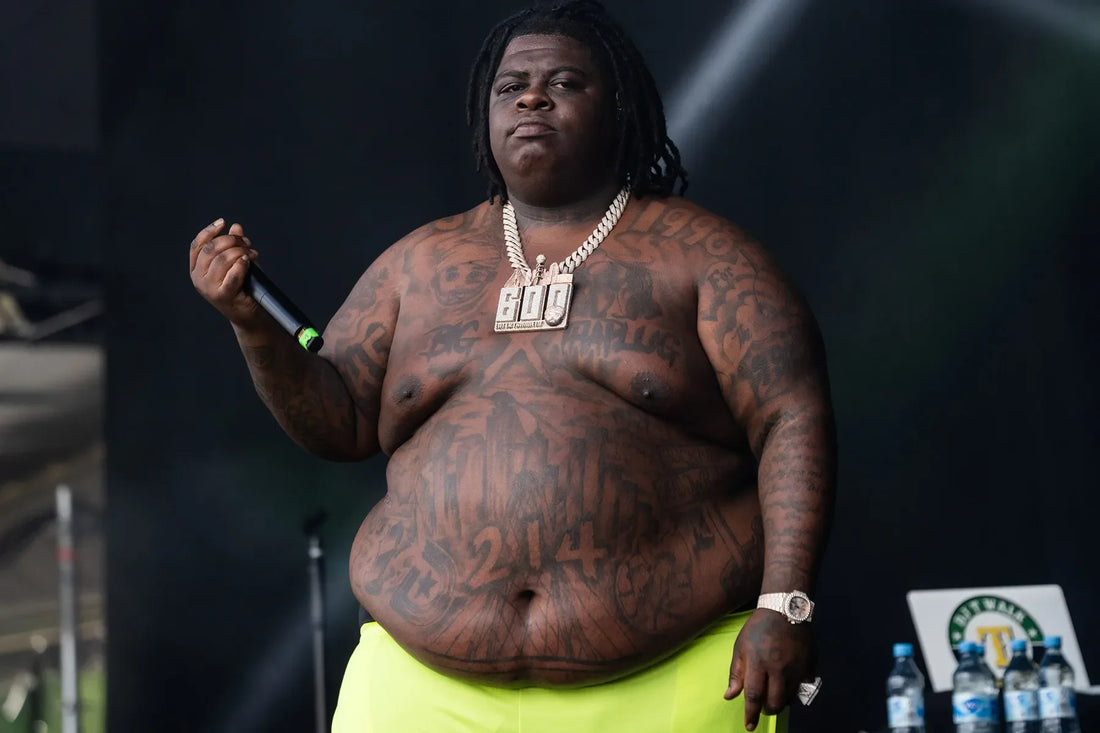
How to Mix Vocals Like BigXthaPlug (Punchy Trap Guide)
BigXthaPlug’s sound is heavy and confident—solid low-mids, readable consonants, and movement that rides the 808 instead of fighting it. Below is a step-by-step plan: capture, routing, an in-the-box chain, FX design, 808 coexistence, and export targets. Want a head start? Load genre-ready vocal presets as your base map, then tailor thresholds and sends to your voice. I. Define the target: weight, bark, and clarity This lane needs weight without mud and presence without sting. Verses sit forward with a steady level and clear diction. Hooks feel wider from doubles and selective ad-libs. Top end is shiny but de-essed; the center stays solid in mono so the record hits on phones and in clubs. Weight: controlled 120–220 Hz for chest, not boom. Bark: 2–4 kHz presence for intelligibility; keep it smooth. Air: 10–12 kHz polish, only after de-essing. Motion: slap or triplet delays, compact verbs, and timed throws. II. Capture & prep (the clean start) Mic & distance: 15–20 cm off a pop filter. Aim raw peaks at −12 to −8 dBFS. Record clean—no heavy EQ or compression on input. Comp & gain: build one composite lead. Tame hot consonants and plosives with clip gain before dynamics. Leave natural breaths; this style benefits from human air. Headphone mixing? If you work in a bedroom or hotel room, calibrate and set a reference volume. This mixing with headphones guide explains level targets, crossfeed, and translation checks. III. Routing that fits aggressive trap Simple lanes keep decisions quick: LEAD — main vocal. HYPE — doubles/stacked emphasis in hooks. ADLIB FX — character phrases (band-pass, formant, grit). VOCAL MASTER — all vocal buses here for light glue/polish. MUSIC — instrumental bus (or grouped stems). 808 — dedicated sub bus for focused decisions. Sends: mono slap, tempo delay (1/8 or triplet), short plate/small room, and a “throws” bus. Filter returns to control splash and low build-up. IV. Core chain: controlled heft with small moves Set conservative processing and mix into it. Tiny adjustments win here. Pitch correction: key/scale set. Faster retune for hook lines, moderate for verses. Use humanize/transition. Keep formants preserved so tone stays natural. Subtractive EQ: HPF 80–100 Hz as needed. If room adds “box,” dip 200–350 Hz wide (−1 to −2 dB). If nasal bark, soft notch around 1 kHz. Save boosts for later. Compressor 1 (shape): 2:1–3:1; attack 10–30 ms; release 80–200 ms or auto. Target 3–6 dB GR on phrases; let consonants breathe. De-esser 1 (broad): center 6–8 kHz; reduce only what you hear on earbuds. Saturation for density: tape/triode or transformer at 5–15% mix. Match output so loudness does not trick you. Compressor 2 (safety): faster; 1–2 dB GR to catch spikes and stabilize sends. Presence & air (polish): if needed, +0.5–1 dB at 3–4 kHz (wide). Air shelf +0.5–1 dB at 10–12 kHz. If S’s rise, fix with de-essing, not more top. Send FX: mono slap 80–120 ms for attitude; 1/8 or triplet delay (low feedback) ducked by the lead; short plate/room with 20–60 ms pre-delay and HPF/LPF on returns. V. FX playbook: grit, throws, and width (without haze) Phone band-pass: 300 Hz–3 kHz plus a touch of drive on key words into drops. Automate on single phrases so it stays special. Parallel grit: send a little of the LEAD to a distortion aux; low-pass around ~5–6 kHz; tuck under for energy you feel more than hear. Width on stacks: micro-pitch (±5–9 cents) on HYPE bus only; keep the LEAD center dry so mono stays solid. VI. 808 coexistence & the hi-hat wall Carve space with dynamics, not brightness. Instead of boosting presence, reduce overlap where needed. Dynamic EQ on MUSIC bus: sidechain a small 2–4 kHz dip from the LEAD so consonants read without sharpness. 808 masking: if syllables vanish under sub, apply a dynamic shelf around 120–180 Hz on the 808 or MUSIC bus keyed from the LEAD. Keep it subtle; aim for clarity, not audible pumping. Hat splash: if top end screams, cut 8–10 kHz slightly on MUSIC or reduce S-only highs with M/S. That calms splash without dulling the vocal. VII. Hardware flavor vs. in-the-box (Bainz notes) Bainz—known for mixing in this lane—has discussed using a Neve Satellite summing mixer and a Burl A/D, the latter being a staple of his sound. That combo adds headroom, transformer color, and a slightly forward midrange while converting with weight. In-the-box approach to a similar flavor: Console vibe: light Neve/transformer emulations on the VOCAL MASTER and MUSIC bus. Keep drive low; you want tone glue, not crunch. Tape/tube stage: a subtle “analog” step before your polish EQ mirrors the density of outboard stages. High-headroom gain staging: keep peaks at −6 to −3 dBFS into your bus chain; let a transparent clipper shave 0.5–1.5 dB if needed for safety. Print smart: no hard limiter on the mix print; leave room for mastering to push level cleanly. VIII. Two complete chains (stock & third-party) Stock-only chain (any major DAW): Pitch: fast for hooks, moderate for verses; humanize/transition on; formants preserved. EQ: HPF 90 Hz; wide −2 dB at 250 Hz if muddy; tiny notch near 1 kHz if nasal. Comp 1: 2:1; attack 20 ms; release 120 ms; 3–5 dB GR. De-esser: 6–8 kHz, wide; 2–4 dB on S’s. Saturation: warm/tape, 5–10% mix; match output. Comp 2: faster; 1–2 dB GR on peaks. EQ polish: +0.5–1 dB at 3.5 kHz if dull; tiny 10–12 kHz shelf if needed. FX: mono slap 90–110 ms; triplet delay; short plate; filter returns; sidechain-duck the delay from the LEAD. Third-party flavor (example): Auto-Tune / Melodyne: quick for hooks; musical for verses; formants on. FabFilter Pro-Q 3: HPF 90 Hz; dynamic notch 250 Hz when booth blooms. Opto comp (LA-2A-style): gentle body shaping. Resonance tamer (Sooth-style): light in 4–8 kHz only as needed. Analog/tube sat: low mix for density; watch noise; match output. 1176-style comp: fast, 1–2 dB GR on peaks. Air EQ (Maag-style): micro +0.5–1 dB at 10–12 kHz if mic is dark. FX: EchoBoy slap + triplet; short plate; occasional band-pass + drive on ADLIB FX. IX. Troubleshooting (fast fixes that stick) Air is clean but S’s stab: widen the de-esser band; reduce the air shelf 0.5 dB; low-pass delay returns to ~6–7 kHz. Lead feels thin in hooks: ease the HPF a few Hz; +1 dB at 160–220 Hz (wide); blend 10–20% parallel warmth. Words lost under 808: dynamic shelf at 120–180 Hz keyed from LEAD on 808/MUSIC; small 2–4 kHz duck on MUSIC when the vocal speaks. Over-tuned artifacts: slow retune; raise humanize; ensure formants are preserved. Delays read messy: lower feedback; increase sidechain ducking; automate throws only on section entries. X. Export, loudness, and finishing During mixing: keep raw vocal peaks around −12 to −8 dBFS. After processing, leave headroom; avoid a hard limiter on the mix bus so transients live. The mix should peak near −3 dBFS with true peak ≤ −1.0 dBTP. Final bounce: stereo WAV, 24-bit at the session sample rate. Loudness belongs to mastering—competitive level with punch, safe peaks, and clean heads/tails. When you want a platform-ready finish with aligned alternates (instrumental, a cappella, clean/radio), book focused mastering services. XI. Wrap-up BigXthaPlug’s lane is power with control—solid low-mids, smooth presence, and FX that move with the beat. Build a tidy session, mix into a conservative chain, and manage overlap with dynamic EQ instead of chasing brightness.
Learn more
How to Mix Vocals Like Gunna (Melodic Trap Playbook)
Gunna’s vocal is smooth on top, relaxed in delivery, and glued to the 808 without harshness. This beginner-friendly playbook covers capture, routing, chain settings, FX moves, stack strategy, and export targets so your mix holds up on phones, earbuds, and club systems. For a fast launch point, try polished vocal presets as your base map and tweak thresholds and sends to match your mic and tone. I. The Gunna fingerprint: relaxed, melodic and glued to the beat The vibe is melodic trap with a calm front edge. The vocal sits a touch forward, consonants are clear but never spiky, and the top air is silky. Ad-libs punctuate lines with texture—filtered or lightly distorted—and delays move with the hi-hat grid. Low-mids stay lean so the 808 breathes, and the whole vocal rides the groove instead of fighting it. Tuning: quick retune for rap-sung phrases; keep formants natural on long vowels. Presence: 2–4 kHz is readable but not sharp; air sits around 10–12 kHz. Control: serial compression for steadiness; no brickwall feel. Space: slap or dotted-eighth delays; compact reverb shaped to stay out of the lyric. II. Capture & prep: decisions that pay off later Tracking level. Aim raw vocal peaks around −12 to −8 dBFS. Keep the room quiet. Use a pop filter. Do not compress hard on input; capture should be clean. Comping and clip gain. Build one tight comp. Smooth hot syllables with clip gain before compression. Keep natural breaths—this style benefits from a relaxed, human pace. Session hygiene. Color-code tracks and label regions. Align edits with tiny fades (2–10 ms). Consistent prep makes the chain predictable. III. Routing blueprint for melodic trap Organization makes the sound. Use simple lanes that mix fast: LEAD — the main vocal line. HYPE — doubles/occasional stacks that add body in hooks. ADLIB FX — character phrases: band-pass, formant shift, grit. VOCAL MASTER — all vocal buses feed this for gentle glue and polish. MUSIC — the entire instrumental or grouped stems. 808 — a separate bus for sub decisions; protects punch when carving space. Sends to set up now: mono slap, tempo delay (1/8 or dotted-eighth), short plate/small room, and a throws bus for words that need spotlight echoes. IV. Core chain: smooth control with tiny moves Keep increments small. This tone collapses if you over-EQ or chase brightness too early. Pitch correction (up front). Set key/scale. Hooks: faster retune. Verses: moderate speed. Engage humanize/transition so sustained notes stay natural. Keep formant protection on. Subtractive EQ (cleanup). HPF 80–100 Hz (voice-dependent). If the booth adds “box,” dip 200–350 Hz wide by 1–2 dB. For nasality, try a soft notch near 1 kHz. Save boosts for later. Compressor 1 (shape). Ratio 2:1–3:1. Attack 10–30 ms. Release 80–200 ms or auto. Aim 3–5 dB of gain reduction on phrases; let consonants breathe so diction stays relaxed yet clear. De-esser (broad). Center ~6–8 kHz with a wide band. Reduce only what you hear on earbuds; avoid “lispy” side-effects. Saturation for density. Tape/triode or clean transformer. Mix 5–10%. Keep output matched so you’re not fooled by loudness. Compressor 2 (safety). Faster; 1–2 dB GR to catch peaks. This stabilizes sends and keeps the lead steady against the instrumental. Polish EQ (tiny lifts). If the mic is dark: +0.5–1 dB at 3–4 kHz for presence. A gentle air shelf +0.5–1 dB at 10–12 kHz if needed. If S’s rise, return to the de-esser rather than adding more top. Sends (space). Mono slap 80–120 ms for attitude. Tempo delay at 1/8 or dotted-eighth with low feedback; sidechain-duck repeats from the LEAD so they breathe between syllables. Short plate or tight room with 20–60 ms pre-delay; always high-pass and low-pass the return. V. FX playbook: movement, grit, and character Phone band-pass. 300 Hz–3 kHz with a touch of drive turns transitional words into stylish ear candy. Automate for single words on bar turns. Formant play. ±2–3 semitones on ADLIB FX adds alien edges without breaking the lead. Keep mix low; it should color, not distract. Triplet/dotted-eighth delay. Rage-leaning beats love these grids. Keep feedback modest and filter to ~6–7 kHz to avoid hiss. Sidechain ducking makes repeats feel “after-you,” not on top of you. Parallel grit. For a hint of aggression on hooks, send a little of the LEAD to a distortion aux, low-pass around 5–6 kHz, and tuck it way under. You’ll feel energy without losing silk. VI. Hook architecture: doubles, octaves, and tasteful layers HYPE doubles. Two tight doubles in the hook. High-pass slightly higher than the lead. More de-ess. Tuck each 6–9 dB under the LEAD. If you need width, micro-pan L/R a little; avoid chorus swirl. Octave layer. An octave-down under select words adds weight. Filter lows harder, de-ess firmly, and keep it felt more than heard. Octave-up is optional; use sparingly if the production is already bright. Automation choreography. Ride the LEAD ±1 dB into downbeats. Lower FX 1 dB during fast consonants. Lift the slap a touch on the last line into the chorus, then return it to normal. VII. Make space with 808s, hats, and synth walls Dynamic EQ on MUSIC bus. Sidechain a small dip at 2–4 kHz from the LEAD. This opens a lane for consonants without extra brightness. 808 coexistence. If syllables vanish under the sub, use a dynamic shelf around 120–180 Hz keyed from the LEAD on the 808 or MUSIC bus. Keep moves subtle; the ear should notice clarity, not ducking. Mid/side hygiene. Anchor low-mids in mid (M). Let pads/synths widen in side (S). If cymbals splash, try a tiny S-only dip around 9–10 kHz to calm them without dulling the center. Two-track beat reality. If you’re working over a stereo instrumental and plan to deliver stems later, this walkthrough on export stems from FL Studio helps you prep files that line up sample-accurately. VIII. Two complete chains (stock and third-party) Stock-only chain (any major DAW): Pitch correction: fast for hooks; moderate for verses; humanize/transition on; formants preserved. EQ: HPF 90 Hz; wide −2 dB at 250 Hz if muddy; tiny notch near 1 kHz if nasal. Comp 1: 2:1; attack 20 ms; release 120 ms; 3–5 dB GR. De-esser: 6–8 kHz, broad; reduce 2–4 dB on S’s. Saturation: warm/tape, 5–10% mix; match output. Comp 2: faster; 1–2 dB GR on peaks. EQ polish: +0.5–1 dB at 3.5 kHz if dull; tiny 10–12 kHz shelf if needed. Sends: mono slap 90–110 ms; dotted-eighth delay; short plate; filter returns. Third-party flavor (example): Auto-Tune / Melodyne: quick for hooks; musical for verses; formants on. FabFilter Pro-Q 3: HPF 90 Hz; dynamic notch 250 Hz when booth blooms. Opto comp (LA-2A-style): gentle body shaping. Resonance control (Sooth-style): light in 4–8 kHz only as needed. Analog/tube sat: low mix for density; watch noise; match output. 1176-style comp: fast, 1–2 dB GR on peaks. Air EQ (Maag-style): micro +0.5–1 dB at 10–12 kHz if mic is dark. FX: EchoBoy slap + dotted-eighth; short plate; occasional band-pass + drive on ADLIB FX. IX. Troubleshooting: quick fixes that stick Air is pretty but S’s stab: widen the de-esser band; reduce the air shelf by 0.5 dB; low-pass delay returns to ~6–7 kHz. Lead feels thin in hooks: ease the HPF a few Hz; add +1 dB at 160–220 Hz (wide); blend 10–20% parallel warmth. Words get swallowed by 808: dynamic shelf at 120–180 Hz keyed from the LEAD on 808/MUSIC; small 2–4 kHz duck on MUSIC when the vocal speaks. Over-tuned artifacts: slow retune slightly; raise humanize/transition; ensure formants are preserved. Delays read messy: lower feedback; increase sidechain ducking; automate throws only on section entries. X. Export, loudness, and finishing During mixing: keep raw vocal peaks around −12 to −8 dBFS. After processing, leave headroom; avoid a hard limiter on the mix bus so transients live. The mix should peak near −3 dBFS with true peak ≤ −1.0 dBTP. Final bounce: stereo WAV, 24-bit at your session sample rate. Loudness belongs to mastering—competitive level with punch, safe peaks, and clean heads/tails. If you want a platform-ready finish with aligned alternates (instrumental, a cappella, clean/radio), book focused mastering services. Need a collaborative pass to dial balances, automate FX, and prep stems while you keep creating? Consider notes-driven mixing services. XI. Wrap-up “Gunna” means smooth, confident, and glued to the groove. Keep low-mids tidy, shape presence with restraint, use delays for motion, and reserve grit for ad-lib moments. Save a template for LEAD/HYPE/ADLIB FX/VOCAL MASTER and learn it deeply at one monitor level. If you want to move faster from ideas to finished songs, start with reliable recording templates then nudge thresholds and sends to your voice, and you’ll reach that relaxed, glossy lane that rides the 808 instead of fighting it.
Learn more
How to Mix Vocals Like TWICE (K-Pop Group Vocal Guide)
TWICE-style vocals are glossy, organized, and energetic—tight unisons, bright yet soft air, and hooks that bloom with layered harmonies. This guide shows capture, routing, blend strategy, chain settings, FX design, and delivery so your mix translates on phones, earbuds, and big systems. I. The TWICE aesthetic: shine, blend, lift K-Pop group vocals live on clarity and choreography. Verses feel intimate and articulate. Pre-choruses lift with breathy layers. Choruses open into organized stacks—unison, thirds, and octaves—without turning harsh. Sibilants are controlled. Air lives above 10 kHz but never cuts. Presence: readable 2–4 kHz; consonants crisp, not spiky. Air: gentle top around 10–12 kHz; de-ess first, polish later. Blend: matched timing and vowels; stacks sit behind the lead. Space: short plates and tempo delays; throws only where they add lift. II. Session design for many voices (comping, timing, blend) Capture. Record 15–20 cm from a pop filter. Aim raw peaks at −12 to −8 dBFS. Track clean—no heavy EQ/comp on input. Keep takes quiet and consistent. Comping. Build a single “lead composite” from the best lines. For doubles, prioritize identical vowels over pitch perfection. Cut breaths tastefully; leave enough to keep phrases alive. Alignment. Tight timing is the secret. Align doubles/harmonies by hand or with an aligner. Stay within ±10 ms for width without chorus swirl. Routing. Create LEAD, UNISON, HARMONY (thirds/upper/lower), and ADLIB buses. Feed them into a Vocal Master. Use a separate MUSIC bus for the instrumental. If you need clean deliverables later, here’s how to export stems from Pro Tools so versions line up sample-accurately. III. Lead chain: intimate verse, airy chorus Use small, musical moves. This sound rewards restraint. Pitch correction: Set key/scale. Fast retune for hook lifts; moderate for verses. Engage humanize/transition so long vowels stay natural. Preserve formants. Subtractive EQ: HPF 70–90 Hz (voice-dependent). If boxy, dip 200–350 Hz (wide). If nasal, a gentle notch near 1 kHz. Boosts come later. Compressor 1 (shape): 2:1–3:1; attack 10–30 ms; release 80–200 ms or auto; 3–5 dB GR on phrases. Keep consonants alive. De-esser 1: broad band 6–9 kHz; reduce only what you hear on earbuds. Harmonic color: warm/tape/triode at 5–10% mix. Match output level to avoid “louder bias.” Compressor 2 (safety): faster; 1–2 dB GR on peaks—stabilizes FX sends and blends. Polish EQ: if the mic is soft, +0.5–1 dB at 3–4 kHz for presence; +0.5–1 dB shelf at 10–12 kHz for air. If S’s rise, fix with the de-esser, not more shelf. Sends: mono slap 80–120 ms; 1/8 or dotted-eighth delay with low feedback; short bright plate (0.7–1.2 s) with 20–60 ms pre-delay. Sidechain-duck delays from the lead so repeats breathe between syllables. IV. Harmony architecture: unisons, thirds, octaves Unisons. Stack two or three for chorus body. High-pass slightly higher than the lead, more de-ess, then tuck 6–9 dB below. Keep center if you want thickness; tiny L/R offsets add width. Thirds/upper parts. Treat as a pad. Less saturation, stronger de-ess, darker plate. On the HARMONY bus, try a wide −1 to −2 dB dip at ~250 Hz to prevent cloud. Octaves. An octave-up adds brightness; octave-down adds weight. For octave-down, filter lows harder, de-ess firmly, and keep it felt more than heard. Blend bus. Gentle bus compression (1–2 dB GR), then a micro-pitch widener (±5–9 cents) on HARMONY only. Leave the LEAD dry/center so mono stays solid. Ad-libs. Keep a separate ADLIB chain: light band-pass “phone” moments (300 Hz–3 kHz), brief formant shifts for character, or a single throw into the pre-chorus. Fewer, better moments win. V. Time & space that reads as “pop,” not “haze” Slap delay (motion): mono, 80–120 ms, low feedback, filtered to ~150 Hz–6 kHz—adds attitude without blur. Tempo delay (movement): 1/8 or dotted-eighth; duck with sidechain so repeats bloom between words. Plate/room (dimension): bright plate 0.7–1.0 s for sparkle or tight studio room for intimacy. Always high-pass and low-pass the return. Throws (moments): automate on the last word before the chorus, shape with filters, and ride back down quickly. At a quiet monitor level, re-check diction. If words smear, shorten pre-delay, reduce high-frequency content in returns, or ride FX down 1 dB during fast consonants. VI. Seat the vocals inside polished K-Pop production Instead of boosting brightness, manage overlaps so vocals “own” the midrange without pain. Dynamic EQ on MUSIC bus: sidechain a small 2–4 kHz dip triggered by the LEAD. Consonants read without extra sharpness. Low-end coexistence: if kicks or bass mask syllables, try a dynamic shelf at 120–180 Hz on MUSIC keyed from the LEAD. Keep it subtle. Stereo hygiene: anchor low-mids in M; let pads/synths widen in S. If cymbals splash, a tiny S-only dip around 9–10 kHz calms them without dulling the LEAD. Translation checks. Bounce a rough. Test on phone speaker, earbuds, and a small mono box. If hats sting, reduce the air shelf 0.5 dB and low-pass delay returns. If lead thins in the chorus, ease the HPF a few Hz and add +1 dB at 160–220 Hz (wide). VII. Two ready-to-use chains (stock and third-party) Stock-only chain (any major DAW): Pitch: fast retune for hook lifts; moderate for verses; humanize/transition on; formants preserved. EQ: HPF 80 Hz; wide −2 dB at 250 Hz if muddy; micro notch at ~1 kHz if nasal. Comp 1: 2:1; attack 20 ms; release 120 ms; 3–5 dB GR. De-esser: 6–9 kHz wide; 2–4 dB on S’s. Saturation: warm/tape, 5–10% mix. Comp 2: faster; 1–2 dB GR on peaks. EQ polish: +0.5–1 dB at 3.5 kHz if dull; tiny 10–12 kHz shelf if needed. Sends: mono slap 90–110 ms; dotted-eighth delay; short bright plate; filter returns. Third-party flavor (example): Auto-Tune / Melodyne: quick for hook lines; musical for verses; formants on. FabFilter Pro-Q 3: HPF 80 Hz; dynamic notch 250 Hz on loud phrases. Opto comp (LA-2A-style): gentle body shaping. Resonance control (Sooth-style): light in 4–8 kHz only as needed. Analog/tube sat: low mix for density; match output. 1176-style comp: fast, 1–2 dB GR on peaks. Air EQ (Maag-style): micro +0.5–1 dB at 10–12 kHz if mic is dark. FX: EchoBoy slap + dotted-eighth; Valhalla Plate short decay; filtered returns; occasional phone-band throw on transitions. VIII. Deliver clean, then elevate (export & finishing) During mixing: keep raw vocal peaks around −12 to −8 dBFS. After processing, leave headroom. Avoid a hard limiter on the mix bus; this style needs breath. Final bounce: stereo WAV, 24-bit at your session sample rate. Target mix peaks near −3 dBFS with true peak ≤ −1.0 dBTP. Loudness belongs in mastering. When you want a platform-safe finish with aligned alternates (instrumental, a cappella, clean/radio), book release-ready mastering services. If you’d like a collaborative push to finalize balances, FX rides, and stem delivery, consider expert mixing services so you can stay focused on performance and arrangement. IX. Quick cures (fast problems, small fixes) Air is pretty but S’s stab: broaden de-ess band, reduce air shelf 0.5 dB, low-pass delay returns to ~6–7 kHz. Lead thins in the hook: ease HPF a few Hz; +1 dB at 160–220 Hz (wide); blend 10–20% parallel warmth. Stacks cloud the center: on HARMONY bus, −1 to −2 dB at 250 Hz (wide); stronger de-ess; darker plate. Over-tuned artifacts: slow retune slightly; raise humanize/transition; keep formants on. Delays read too busy: lower feedback; increase sidechain ducking; automate throws only on section entries. X. Wrap-up TWICE-style mixing is organization and elegance: tight timing, matched vowels, gentle control, and spaces that move with the song. Save a template for LEAD/UNISON/HARMONY/ADLIB buses, learn it deeply, and lock one monitor level for decisions.
Learn more
How to Mix Vocals Like Yeat (Rage & Trap Guide)
Yeat’s vocal aesthetic is urgent, futuristic, and textured—tuned fast, framed by gritty saturation, and glued to wide, synth-heavy rage beats. This guide lays out the capture plan, routing, chain settings, FX playbook, stack strategy, and export targets so your mix hits on phones, earbuds, and big rooms. If you want a jump-start, audition proven vocal presets and adapt thresholds and sends to your voice. I. The sonic fingerprint (what makes it “Yeat”) Attitude first. Leads are pushed forward with fast tuning and present consonants. Ad-libs are bold—formant tricks, band-pass “phone” edges, or distorted shouts. The top is bright but controlled; the low-mids stay lean so the 808 breathes. Tuning: decisive retune for rap-sing cadences; keep vowels natural with formant protection. Texture: parallel or pre-EQ saturation for grit; de-ess before you add air. Motion: triplet/dotted-eighth delays that pulse with the beat; compact verbs. Width: chorus/micro-pitch on stacks; center lead stays stable. II. Capture & session setup Recording. 15–20 cm off a pop filter. Aim raw peaks around −12 to −8 dBFS. Avoid heavy EQ/comp on the way in; print clean so the mix chain can work. Keep takes tight; rage flows expose sloppy edits. Session organization. Color code and route early. If a producer sends Ableton sessions or consolidated audio, confirm one start time for everything. When stems are needed from Ableton specifically, here’s a clear walkthrough to export stems from Ableton Live so files line up sample-accurately. III. Routing architecture that fits rage beats Set up buses so you can make confident, fast moves: LEAD — main vocal lines. DOUBLES — tight duplicates for body. ADLIB FX — shout/texture lane (filters, formants, distortion). VOCAL MASTER — all vocal buses feed here (light tone/control only). MUSIC — the entire instrumental or a group of stems; carve here, not on the master. 808 — separate bus for sub decisions; prevents broad EQ from dulling the kick. Sends: mono slap, tempo delay, short plate/small hall, “throws” bus for word-end echoes. Keep returns filtered to avoid HF splash and low-end smear. IV. Core chain (settings that translate) Think “control + character.” Use small moves. Check on earbuds often. Pitch correction. Set key/scale. Fast retune for hooks; moderate for verses. Enable formant protection to keep tone from cartooning when melodies jump. Subtractive EQ. HPF 80–100 Hz (voice-dependent). If the booth adds “box,” dip 200–350 Hz (wide). If nasal, try a gentle notch near 1 kHz. Avoid narrow boosts—save boosts for later. Compressor 1 (shape). 2:1–3:1; attack 10–30 ms; release 80–200 ms or auto; 3–6 dB GR on phrases. Let consonants breathe so diction stays sharp. De-esser 1. Broad band around 6–8 kHz; reduce only what you hear on small speakers. Saturation for density. Tape/triode or transformer. Keep mix 5–15%. Match output so you aren’t fooled by “louder.” Compressor 2 (safety). Faster; 1–2 dB GR to tame spikes and make FX sends more even. Polish EQ. If the mic is dull: +0.5–1 dB at 3–4 kHz (presence). Air shelf +0.5–1 dB at 10–12 kHz if needed. If S’s rise, fix de-ess—not more air. Send FX. Mono slap (80–120 ms). Tempo delay (1/8, dotted-eighth, or triplet, low feedback). Small plate/room with 20–60 ms pre-delay. Use sidechain ducking on delays so repeats breathe between syllables. V. FX playbook: formants, filters, and throws Formant tricks. On ADLIB FX, use +2 to −3 semitone formant shifts for alien inflections. Keep the mix low; it should color, not hijack, the message. Phone band-pass. 300 Hz–3 kHz band-pass plus slight distortion = gritty edges for transitions. Automate on single words before drops. Triplet & dotted-eighth delay. Rage patterns love movement that syncs with hi-hat grids. Keep feedback modest; filter returns to ~6–7 kHz to avoid hiss. Micro-pitch width (stacks only). ±5–9 cents on DOUBLES, short mod time. Keep the lead center dry so the image stays solid in mono. Reverb discipline. Rage beats are busy; verbs should be compact. Short plate 0.6–1.0 s or a tight room. High-pass and low-pass every return. VI. Make the voice sit inside the synth wall Dynamic EQ on MUSIC bus. Sidechain a small 2–4 kHz dip from the lead. This opens consonants without making the vocal harsh. 808 coexistence. If syllables vanish under sub, apply a dynamic shelf at 120–180 Hz on the MUSIC or 808 bus keyed from the lead. Keep it subtle; the trick is clarity, not audible pumping. Mid/side hygiene. Anchor low-mids in M. Let pads/synths widen in S. If the beat feels too bright, a tiny S-only dip at 9–10 kHz calms splash without dulling the lead. Limiter temptation. For references, a clean limiter at −1.0 dBTP is fine. For your mix print, turn it off; let mastering set competitive loudness. If you’d rather hand off the final push, consider online mixing services to align balances, fix masking, and prep stems. VII. Hooks, stacks, and ad-lib choreography Doubles (body). Two tight doubles in the hook. High-pass a bit higher than the lead. More de-ess. Tuck each 6–9 dB below the lead. Pan lightly L/R if you want width without chorus swirl. Octaves (impact). An octave-down layer under key words adds weight. Use heavier HPF, firm de-ess, and a darker tone so it supports rather than muddies. Ad-libs (character). Shouts or formant-shifted phrases panned off-center; band-pass + drive for grit. Trigger triplet throws on bar turns. Keep them purposeful; fewer, better moments beat a crowded field. Automation. Ride the lead ±1 dB into downbeats. Dip FX during dense consonants. Lift a throw by 0.5 dB only on the section entry—then return to normal. VIII. Two complete chains (stock-only and third-party) Stock-only chain (any DAW): Pitch: fast for hooks, moderate for verses; humanize/transition on; formants preserved. EQ: HPF 90 Hz; wide −2 dB at 250 Hz if muddy; micro notch near 1 kHz if nasal. Comp 1: 2:1; attack 20 ms; release 120 ms; 3–5 dB GR. De-esser: 6–8 kHz wide; 2–4 dB on S’s. Saturation: warm/tape, 5–10% mix. Comp 2: faster; 1–2 dB GR on peaks. EQ polish: +0.5–1 dB at 3.5 kHz if dull; tiny air shelf if needed. Sends: mono slap 90–110 ms; dotted-eighth delay; small plate with HPF/LPF. Third-party flavor (example): Auto-Tune / Melodyne: quick for hooks; musical for verses; formants on. FabFilter Pro-Q 3: HPF 90 Hz; dynamic notch 250 Hz when the booth blooms. Opto comp (LA-2A-style): gentle body shaping. Resonance tamer (Sooth-style): light in 4–8 kHz only as needed. Analog/tube sat: low mix for density; match output. 1176-style comp: fast, 1–2 dB GR on peaks. Air EQ (Maag-style): micro +0.5–1 dB at 10–12 kHz if the mic is dark. FX: EchoBoy slap + triplet; short plate; filtered returns; occasional band-pass + drive on ADLIB FX. IX. Troubleshooting (fast fixes that stick) Air is sweet but S’s stab: broaden the de-ess band; reduce the air shelf by 0.5 dB; low-pass delay returns to ~6–7 kHz. Lead sounds thin in hooks: ease the HPF a few Hz; +1 dB at 160–220 Hz (wide); blend 10–20% parallel warmth. Words get swallowed by the 808: dynamic shelf at 120–180 Hz keyed from the lead on MUSIC/808; small 2–4 kHz duck on MUSIC when the vocal speaks. Robotic tuning: slow retune slightly; raise humanize; keep formants on. Stacks cloud the center: on DOUBLES bus, −1 to −2 dB at 250 Hz (wide), stronger de-ess, darker plate. X. Export, loudness, and next steps During mixing: keep raw vocal peaks around −12 to −8 dBFS. After processing, leave headroom; avoid a hard limiter on the mix bus so transients live. Final bounce: stereo WAV, 24-bit at session rate. Target mix peaks near −3 dBFS with true peak ≤ −1.0 dBTP. Loudness belongs to mastering. XI. Wrap-up “Yeat” vocals are a mix of precision and chaos: tuned and controlled, yet raw with texture and attitude. Keep low-mids tight, shape presence with restraint, let delays do the dancing, and reserve big distortion for ad-lib moments. Save a template for LEAD/DOUBLES/ADLIB FX/VOCAL MASTER, learn it deeply, and reference at one monitor level. If you want help locking balances to a brutal beat while you keep writing, lean on online mixing services; if you’re ready to ship, a focused pass of album and single mastering will finalize loudness, QC, and deliverables.
Learn more
How to Mix Vocals Like Tate McRae (Modern Pop-Dance Guide)
Tate McRae’s vocal sound is intimate in the verses and glossy in the choruses—breathy but clear, bright without harshness, and always steady in level. This guide walks you through capture, routing, chain order, FX design, stacks, and export targets so your mix survives phones, earbuds, and big rooms. If you prefer a head start, drop in pop vocal presets as a base map and customize thresholds and sends to your voice. I. What listeners expect from this aesthetic Modern pop-dance vocals feel close and emotional. You hear soft consonants and breath texture in the verse, then a lifted, airy hook that floats above synths and drums. The top end is pretty rather than piercing, the low-mids stay lean, and the dynamics are steady through serial compression—not a slammed limiter. Presence: readable 2–4 kHz without harsh spikes. Air: gentle sheen at 10–12 kHz; de-ess before you add shine. Depth: short plate/room plus tempo delays that move with the groove. Lift: doubles, whispers, and tight harmonies that rise in the chorus. II. Capture choices that pay off later Record 15–20 cm from a pop filter. Aim raw peaks around −12 to −8 dBFS. Keep the booth quiet; avoid heavy EQ or compression on the way in. If you need a small HPF for rumble, set it conservatively. Comp clean takes. Preserve natural breaths—this style relies on air texture. If you need help building a reliable recording space, this home vocal studio guide covers room basics, gain staging, and workflow so takes arrive mix-ready. III. Routing that keeps you fast and organized Create four lanes: LEAD – main vocal lines. BGV – harmonies and pad-like stacks. WHISPER – breathy doubles used sparingly for gloss. ADLIB – character moments and transitions. All feed a Vocal Master bus where you monitor through a gentle chain. Sends: mono slap, tempo delay, short plate or tight room, and a “throws” bus for moment effects. IV. The baseline chain (numbers you can trust) Keep moves small. The sound is refined, not hyped. Pitch correction: set key/scale. Hooks can take a faster retune; verses usually prefer moderate speed. Use “humanize/transition” so long vowels stay natural. Enable formants when available. Subtractive EQ: HPF 70–90 Hz (voice-dependent). If boxy, dip 200–350 Hz gently (wide Q). If nasal, try a soft notch around 1 kHz. Compressor 1 (shape): 2:1–3:1, attack 10–30 ms, release 80–200 ms or auto, 3–5 dB GR on phrases. Let consonants breathe. De-esser 1: wide band at 6–8 kHz; reduce only what you hear on earbuds. Harmonic color: warm/tape/triode at 5–10% mix. Match output so “louder” doesn’t fool you. Compressor 2 (safety): faster, 1–2 dB GR on peaks to keep level steady in choruses. Polish EQ: if the mic is soft, +0.5–1 dB at 3–4 kHz for presence and +0.5–1 dB shelf at 10–12 kHz for air. If sibilance rises, return to de-essing instead of boosting more. Sends: mono slap 80–120 ms or a synced 1/8; small plate/room (0.7–1.2 s) with 20–60 ms pre-delay; dedicated “throws” for key words. V. Time & space design for modern hooks Slap delay: mono, 80–120 ms, low feedback, filtered to ~150 Hz–6 kHz. Adds motion without haze. Tempo delay: 1/8 or dotted-eighth, low feedback. Duck it with sidechain so repeats breathe between syllables. Plate vs. room: short bright plate (0.7–1.0 s) for lift or a tight studio room for intimacy. Always high-pass and low-pass the return. Throws: automate a wider delay only on transitions; shape with filters so the lyric remains the focus. Re-check at quiet volume. If diction blurs, shorten pre-delay, reduce HF in the returns, or ride FX down during fast phrases. VI. Chorus architecture: doubles, whispers, harmonies Doubles: record two tight doubles for the hook. High-pass slightly higher than the lead, apply more de-ess, and tuck each 6–9 dB below. Keep center for thickness or pan lightly L/R for width without chorus swirl. Whisper layer: a gentle breathy take can add pop shimmer. Filter lows, de-ess firmly, and compress lightly; it should be felt, not obvious. Harmonies: keep them as a clean bed. Less saturation, darker reverb. If the stack clouds, dip 250 Hz by 1–2 dB on the BGV bus. Automate entrances so the hook opens up rather than jumps in volume. Gain choreography: ride the lead ±1 dB into downbeats. Lift the doubles slightly on the last bar before the chorus to create momentum. VII. Seat the vocal inside the production Whether you mix over a stereo instrumental or grouped stems, focus on overlap management rather than boosting brightness. Dynamic EQ on the music bus: sidechain a small 2–4 kHz dip from the lead; consonants pop without harshness. Low-end coexistence: if kick or bass masks syllables, try a dynamic shelf around 120–180 Hz keyed from the lead on the music bus. Phone & small-speaker proof: bounce a quick rough and listen on a phone speaker. If hats sting, reduce the lead air shelf 0.5 dB and low-pass the delay return. VIII. Two complete chains (stock-only and third-party) Stock-only chain (any major DAW): Pitch Correction: fast for hook lifts, moderate for verses; humanize/transition engaged; formants preserved. EQ: HPF 80 Hz; wide −2 dB at 250 Hz if muddy; tiny +0.5 dB at 3.5 kHz if dull. Compressor 1: 2:1; attack 20 ms; release 120 ms; 3–5 dB GR. De-esser: 6–8 kHz, broad; reduce 2–4 dB on S’s. Saturation: warm/tape, 5–10% mix. Compressor 2: faster; 1–2 dB GR on peaks. EQ polish: shelf +0.5–1 dB at 10–12 kHz if needed. Sends: mono slap 90–110 ms; 1/8 delay; short plate with HPF/LPF on the return. Third-party flavor (example): Auto-Tune / Melodyne: quick for hooks, musical for verses; formants on. FabFilter Pro-Q 3: HPF 80 Hz; dynamic notch 250 Hz on loud phrases. LA-2A / Opto: gentle body shaping. Sooth-style resonance control: light in 4–8 kHz only as needed. Analog-style saturation: low mix for density. 1176-style comp: fast, 1–2 dB GR for peaks. Air EQ (Maag-style): tiny +0.5–1 dB at 10–12 kHz if the mic is dark. FX: EchoBoy slap + dotted-eighth; Valhalla Plate short decay; filtered returns. IX. Troubleshooting: quick cures that actually work Air is pretty but S’s are sharp: broaden the de-esser band, reduce the air shelf by 0.5 dB, and low-pass the delay to ~6–7 kHz. Lead sounds thin in hooks: ease the HPF a few Hz, add +1 dB at 160–220 Hz (wide), and blend 10–20% parallel warmth. Stacks cloud the center: on BGV bus, −1 to −2 dB at 250 Hz (wide), stronger de-ess, darker plate. Over-tuned artifacts: slow retune slightly and raise humanize/transition; ensure formants are preserved. Consonants vanish at low volume: tiny +0.5 dB at ~3 kHz on the lead, or increase sidechain ducking on the delay so repeats don’t sit on syllables. X. Export, loudness, and next steps During mixing: keep raw vocal peaks around −12 to −8 dBFS. After processing, leave headroom. Avoid a hard limiter on your mix bus; this style benefits from breathing room. Final bounce: export stereo WAV, 24-bit at your session sample rate. Target mix peaks near −3 dBFS with true peak ≤ −1.0 dBTP. Loudness belongs in mastering. When you’re ready for a platform-safe finish with aligned alternates (instrumental, a cappella, clean/radio), book online mastering. If you want a collaborative push to finalize balances and FX rides, a pass of professional song mixing lets you stay focused on writing while the mix is refined. XI. Wrap-up A Tate-inspired vocal is close and confident in the verses, then airy and lifted in the hook. Keep low-mids tidy, manage presence with restraint, and design small, musical spaces around the lyric. Save a template for your LEAD/BGV/WHISPER/ADLIB buses and learn it deeply. If you want to move faster, start from curated recording templates, then nudge thresholds and sends to fit the song. With a clean export and thoughtful mastering, you’ll keep the softness and shine that make this sound work—on every device.
Learn more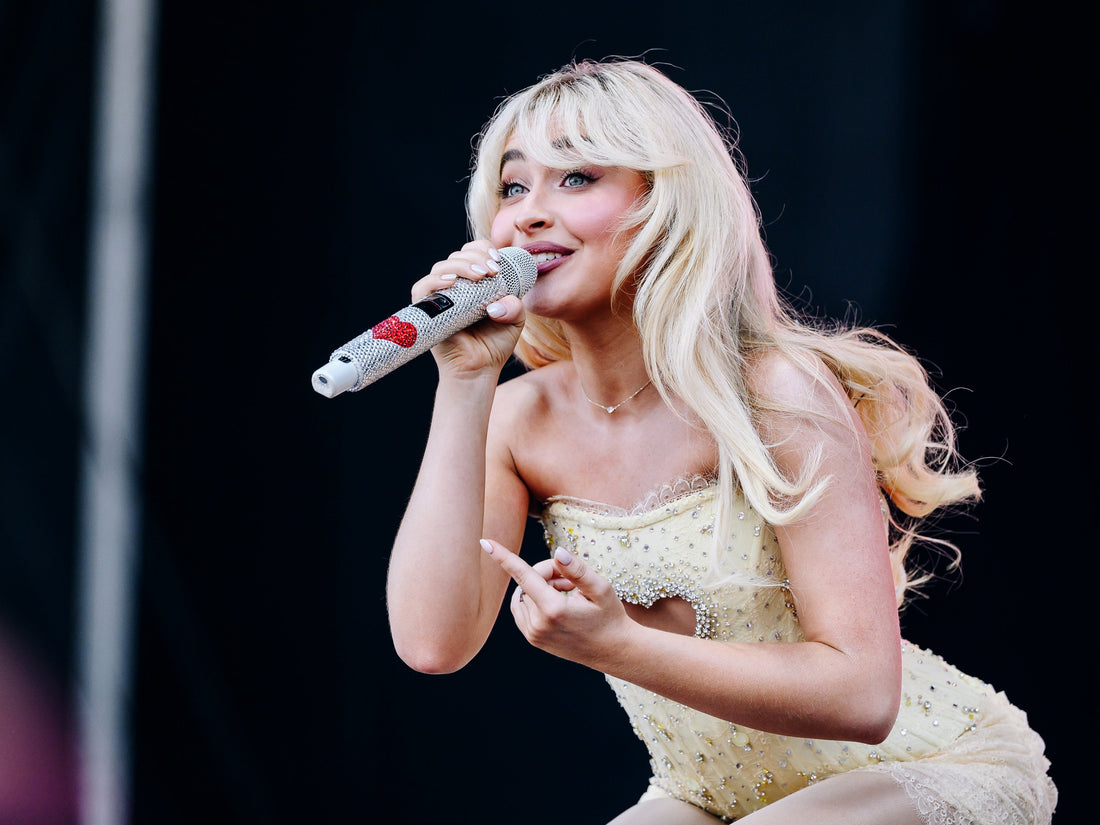
How to Mix Vocals Like Sabrina Carpenter (Glossy Pop Guide)
Sabrina Carpenter’s pop vocals feel close, silky, and confident—airy on top, steady in the middle, and never harsh. This guide shows the capture plan, chain order, layer strategy, delays/reverbs, and print settings to get that vibe in any DAW. For a fast head start, audition curated vocal presets and tailor the last 10% to your voice and mic. I. The pop aesthetic: airy, intimate, polished Three pillars define this sound: clarity, gentleness, and lift. The voice sits forward without spiky sibilance. Air lives above 10 kHz, but the top never turns brittle. Hooks rise with organized layers—tight doubles and clean harmonies—while verses stay intimate and dry-ish with small, tempo-aware ambience. Tone: clean low-mids, articulate 2–4 kHz, soft air 10–12 kHz. Dynamics: steady level from subtle serial compression (not brickwalling). Space: short slap or 1/8 note delay for motion; compact plate or room for depth. Quick terms: dBFS = digital level (0 clips). LUFS = perceived loudness. True peak (dBTP) anticipates inter-sample spikes—protect headroom now for cleaner mastering later. II. Capture & routing: a session map that saves time Track 15–20 cm from a pop filter. Aim raw peaks around −12 to −8 dBFS. Keep the room quiet and consistent. Print light HPF on the way in only if your booth rumbles; otherwise leave capture flat. Route leads to a LEAD bus, stacks to a BGV bus, ad-libs to an ADLIB bus. All feed a Vocal Master where you monitor into a gentle chain. This keeps processing focused and decisions repeatable. III. The sweet-spot chain (numbers you can trust) This is a starting map. Keep moves small; the style rewards subtlety. Pitch correction: Key/scale set; fast retune for hook lifts, moderate for verses. Use humanize/transition to preserve long vowels. Keep formants on so color stays natural. Subtractive EQ: HPF 70–90 Hz (voice-dependent). If boxy, dip 200–350 Hz gently. If nasal, try a small notch near 1 kHz. Keep cuts wider than boosts. Compressor 1 (shape): 2:1–3:1, attack 10–30 ms, release 80–200 ms or auto; 3–5 dB GR on phrases. Consonants should still pop. De-esser 1: Broad band centered 6–8 kHz; reduce only what you hear. Check on earbuds. Color/saturation: Warm/tape/triode at low mix (5–10%). You want density, not fuzz. Match output to avoid “louder sounds better.” Compressor 2 (safety): Faster; 1–2 dB GR to catch peaks. Think pocketing, not flattening. Polish EQ: If the mic is soft, +0.5–1 dB at 3–4 kHz for presence, and +0.5–1 dB shelf at 10–12 kHz for air. If sibilance flares, step back and de-ess instead. Sends: mono slap 80–120 ms or 1/8 note delay; small plate or tight room; tasteful throws for transitions. IV. Layers that lift the chorus Doubles (tight thickness). Record two doubles for hooks. High-pass slightly higher than the lead. More de-ess than the lead. Tuck each 6–9 dB below. Either keep centered for fullness or pan lightly L/R for width without chorus swirl. Harmonies (clean bed). Balance like a pad. Less saturation, stronger de-ess, and a darker reverb. If the stack clouds, dip 250 Hz by 1–2 dB on the BGV bus. Blend until the lead floats on top without strain. Ad-libs (character and lift). Keep a separate ADLIB chain: lighter compression, small band-pass “phone” moments for edges, or a soft micro-pitch for spread. Pan off-center to avoid fighting the hook center image. Gain choreography. Automate the lead ±1 dB into downbeats. Raise doubles a touch at hook entries. Pull FX down during fast consonants so words stay readable. V. Time & space design: depth without haze Slap (attitude): 80–120 ms mono, low feedback, filtered to ~150 Hz–6 kHz. It adds motion without washing detail. Tempo delay (movement): 1/8 or dotted-8th, low feedback. Duck the delay with sidechain so repeats bloom between syllables. Plate vs. room (dimension): short plate 0.7–1.2 s, pre-delay 20–60 ms; or a small studio room with tight decay. Always high-pass and low-pass the return. Throws (moments): last word into a chorus, or a breath before a beat drop. Keep them shaped—automation beats huge FX levels. At low monitoring volume, re-check: if diction blurs, shorten pre-delay, lower HF in the returns, or ride FX a dB. VI. Seat the vocal inside the instrumental Many pop productions use a stereo instrumental or a bussable “music” stem group. Keep the lead in focus by managing overlap instead of cranking brightness. Dynamic EQ on the beat: key a small dip at 2–4 kHz from the vocal so consonants read without harshness. Low-end coexistence: if kicks or bass smear phrases, try a dynamic shelf at 120–180 Hz on the music bus keyed to the lead. Small-speaker proof: bounce a rough and test on a phone. If hats sting, nudge the vocal air down 0.5 dB and low-pass delay returns. Working over a premade track? This walkthrough on mix vocals over a 2-track beat shows fast ways to place the voice cleanly without fighting the stereo file. VII. Print & translate: levels that survive platforms During mixing: keep raw vocal peaks around −12 to −8 dBFS. After the chain, leave headroom. Skip hard limiting on your mix bus; this style needs breathing room. Export for mastering: stereo WAV, 24-bit at the session sample rate. Final mix peaks near −3 dBFS with true peak ≤ −1.0 dBTP. Loudness comes later. For a cohesive, platform-safe finish with labeled alternates (instrumental, a cappella, clean/radio), lean on mastering services. If you want help finishing the mix: a collaborative pass of professional mixing services can dial balances, FX rides, and stem organization while you focus on tracking and writing. VIII. Quick cures (fast problems, small fixes) Air is pretty but S’s are sharp: reduce the air shelf 0.5 dB, broaden the de-esser band, and low-pass delay returns to ~6–7 kHz. Lead sounds thin in the hook: ease the HPF a few Hz, add +1 dB at 160–220 Hz (wide), and blend 10–20% parallel warmth. Stacks cloud the center: on BGV bus, −1 to −2 dB at 250 Hz (wide), more de-ess, darker plate. Over-tuned artifacts: slow retune slightly and raise humanize/transition; ensure formants are preserved. Consonants vanish at low volume: tiny +0.5 dB at ~3 kHz on the lead, or increase sidechain ducking on the delay so repeats don’t cover syllables. IX. Wrap-up Sabrina-style pop vocals balance intimacy with polish. Keep the low-mids tidy, manage presence with care, and design small, musical spaces around the lyric. Save a base template, learn it deeply, and use references at one monitor level so choices stay consistent.
Learn more
How to Mix Vocals Like Bad Bunny (Reggaetón & Latin Trap Guide)
Modern reggaetón vocals are confident, bright, and rhythm-first. This guide shows you a Bad Bunny–style vocal approach: chain blueprint, Spanish-friendly tuning, dembow FX, doubles/coros, and export targets that translate to phones and clubs. For a fast starting point, try curated vocal presets and customize the last 10% to your voice. I. Signature palette: what listeners expect Latin trap and reggaetón vocals carry groove and attitude. The voice rides the dembow or 808 pattern, with clear consonants and a polished top. Hooks lift through coros (layers) and harmonies; verses stay dry and close, with short slap/tempo delays for movement. Ad-libs add character and space between phrases. Clarity: articulate 2–4 kHz, no woolly low-mids. Shine: controlled air at 10–12 kHz, never sharp. Groove: delays lock to tempo; reverb is tight and filtered. Control: level is steady via serial compression, not brickwalled. Quick terms: dBFS is digital level; 0 clips. LUFS is perceived loudness. True peak (dBTP) catches inter-sample spikes—protect headroom for mastering later. II. Chain blueprint (from capture to polish) Route all leads to a LEAD bus, stacks to a COROS bus, and ad-libs to an ADLIB bus. These feed a Vocal Master. Mix into a gentle chain so decisions stick. Pitch correction: fast retune for rap-sung lines; humanize to avoid warble; preserve formants. Subtractive EQ: HPF 70–90 Hz; dip boxiness 200–350 Hz as needed. Compressor 1: slow/medium attack for punch, 3–6 dB GR on peaks. De-esser: broad band 5–8 kHz; reduce only what you hear. Saturation (low mix): density, not distortion; match output level. Compressor 2 (safety): faster, 1–2 dB GR to catch spikes. Polish EQ: tiny presence/air shelf if the mic is dull. Send FX: mono slap, tempo delay, compact plate/hall, plus creative throws for ad-libs. III. Spanish delivery: tuning, timing, and diction Tuning for Spanish vowels. Spanish vowel sustains are pure; fast retune can sound robotic if pushed. Use a quick retune for hooks, moderate for verses; add “humanize/transition” so long vowels do not wobble. Keep formant correction on to preserve color during pitch moves. Diction and sibilants. “S,” “ch,” and bright fricatives can poke on earbuds. Set the de-esser gently first; if needed, add a second, lighter de-ess later in the chain. Avoid narrow boosts above 8 kHz—prefer a broad, small shelf. Timing the groove. The dembow swing sits between straight and triplet. Align doubles within ±10 ms; anything wider turns into chorus. Use clip gain to even loud syllables before compression. IV. Practical settings (step-by-step) Gain stage. Track raw peaks around −12 to −8 dBFS. Trim regions so the chain sees steady input. Pitch correction. Set key/scale. Retune fast for hook phrases; moderate for verses. Humanize 20–40%. Formants preserved. Subtractive EQ. HPF 70–90 Hz; remove mud 200–350 Hz (wide dip). If honk lives near 1 kHz, dip gently. Keep cuts small. Compressor 1 (shape). 2:1–3:1; attack 10–30 ms; release 80–200 ms or auto; 3–6 dB GR on loud lines. The consonants should still snap. De-esser. Start 5–8 kHz; wide band; reduce 2–4 dB on S’s. Check on earbuds. Saturation. Tape/triode or clean transformer. Mix 5–10%. Match output so you’re not fooled by loudness. Compressor 2 (safety). Faster, 1–2 dB GR to catch peaks when coros stack up. Presence polish. If needed: +0.5 dB at 3–4 kHz (wide bell). Air shelf +0.5–1 dB at 10–12 kHz for shine, not hiss. Space. Mono slap 80–120 ms; LPF the return ~6–8 kHz. Tempo delay 1/8 or 1/4 with low feedback; sidechain-duck the delay from the lead so repeats breathe between words. Automation. Lift the lead +0.5–1 dB into downbeats; dip FX during dense consonants so words stay readable. V. Coros, dobles y ad-libs (the stack game) Doubles (dobles). Two tight doubles on hooks thicken the center. High-pass slightly higher than the lead, more de-ess, and keep each double 6–9 dB below the lead. Pan subtly L/R if you want width, or stack center for thickness. Coros (harmonies). Treat as a soft bed. Less saturation, more de-ess. If the stack clouds, dip 200–300 Hz a dB or two on the COROS bus. Add a darker plate/hall reverb with 20–60 ms pre-delay so the lead stays upfront. Ad-libs (ad-libs en español o Spanglish). Personality lives here. Try band-pass “phone” effect (300 Hz–3 kHz), micro-pitch for spread, or a triplet echo on transitions. Pan off-center to leave the hook focal point in the middle. Routing recap. Lead → LEAD bus; doubles/harmonies → COROS; ad-libs → ADLIB; all into Vocal Master. This speeds mixing and keeps decisions organized. VI. Beat relationship: dembow & 808 without clashes Over a 2-track beat. Treat the beat as a MUSIC bus. Carve space at 2–4 kHz using a dynamic dip keyed to the lead. If the kick or 808 masks syllables, a narrow dynamic cut around 120–180 Hz (keyed to the vocal) cleans collisions. For clean deliverables later, learn how to export stems from Logic Pro so versions line up. With stems. Group DRUMS, 808/BASS, MUSIC. Adjust 808 envelope so tails don’t smear words. Use sidechain only as flavor; too much pumping distracts from the lyric. Delays that groove. Many Latin trap hooks love a short stereo 1/8 with very low feedback, or a mono slap that clicks with the dembow. Filter the return; let the words lead, not the echoes. VII. Two chain examples (stock-only and third-party) Stock-only chain (any major DAW): Pitch Correction: key/scale set; fast for hooks, moderate for verses; humanize 20–40%. EQ: HPF 80 Hz; wide −2 dB at 250 Hz if muddy; tiny +0.5 dB at 3.5 kHz if dull. Compressor 1: 2:1; attack 20 ms; release 120 ms; 3–5 dB GR. De-esser: 6–8 kHz, broad; reduce 2–4 dB on S’s. Saturation: warm/tape, 5–10% mix. Compressor 2: faster, 1–2 dB GR. EQ polish: shelf +0.5–1 dB at 10–12 kHz if the mic is dark. Sends: mono slap 90–110 ms; 1/8 tempo delay; short plate (0.7–1.2 s) with HPF/LPF on the return. Third-party flavor (example): Auto-Tune / Melodyne: quick for hooks, musical for verses; preserve formants. FabFilter Pro-Q 3: HPF 80 Hz; dynamic notch 250 Hz on loud phrases. LA-2A / Opto: gentle, musical body. Sooth-style resonance control: light in 4–8 kHz. Analog-style saturation (low mix). 1176-style comp: fast, 1–2 dB GR on peaks. Air EQ (Maag-style): +0.5–1 dB at 10–12 kHz if needed. FX: EchoBoy slap + 1/8 note; Valhalla Plate short decay, filtered returns. VIII. Loudness, headroom, and delivery During mixing. Keep raw vocal peaks at −12 to −8 dBFS. After your chain, leave headroom. Do not slam a hard limiter on the mix bus. Your final mix should peak around −3 dBFS with true peak ≤ −1.0 dBTP. Loudness belongs in mastering, not in vocal mixing. Final bounce. Export 24-bit WAV at the session sample rate. Provide a clean premaster for mastering. If you want cohesive, platform-ready loudness and a labeled set of alternates (instrumental, a cappella, clean/radio), book notes-driven mastering services. Need help finishing the mix or balancing the beat and stacks? Collaborative professional mixing services can take it across the line while you focus on writing. IX. Fast fixes (common problems, quick cures) Harsh top on phones: widen de-ess band; reduce 8–10 kHz by 0.5 dB on the lead; low-pass delay returns to ~6 kHz. Vocal too thin in hooks: back off HPF a few Hz; add +1 dB at 160–220 Hz (wide); blend 10–20% parallel saturation. Words lost under 808: dynamic notch on 808 around 120–180 Hz keyed from the lead; small 2–4 kHz dip on MUSIC bus when the vocal speaks. Robotic tuning: slow retune slightly; raise humanize/transition; make sure formants are preserved. Stack cloudiness: on COROS bus, −1 to −2 dB at 250 Hz (wide), more de-ess, darker reverb. X. Workflow that finishes songs Save a vocal template with LEAD, COROS, and ADLIB buses plus slap, tempo delay, plate, and “FX” sends. Build a small reference playlist from Latin trap/reggaetón records you trust. Work at a steady monitor level. Make small moves. Let arrangement and stacks create lift between sections.
Learn more
How to Mix Vocals Like Doja Cat (Complete Pop-Rap Guide)
Bright, present, and playful—that’s the pop-rap vocal vibe this guide will help you hit. You’ll learn the chain, settings, layering, effects, and workflow to build a Doja Cat–style mix that translates on phones, earbuds, and speakers. If you want a solid starting point, browse curated vocal presets and tailor the final 10% to your voice. I. What defines the sound Contemporary pop-rap vocals share a few traits: crisp diction, tuned but human phrasing, confident midrange, and a glossy top that never turns harsh. Hooks lift with doubles and harmonies. Verses keep the vocal upfront, with smart delays and light plate reverb for depth. Ad-libs are character moments—sometimes filtered, sometimes saturated, often panned. Tone: clean low-mids, clear 2–4 kHz presence, airy 10–12 kHz sheen. Dynamics: steady level via subtle serial compression, not crushing. Space: short slap or 1/8 note delay, small plate with 20–60 ms pre-delay. Layering: tight doubles on hooks, selective harmonies, expressive ad-libs. Quick terms: dBFS is digital level (0 clips). LUFS is perceived loudness. True peak (dBTP) catches inter-sample peaks; keep exports safe for encoding later. II. Core chain (overview before details) Record clean. Then route every vocal to a LEAD bus, a BGV bus, and an ADLIB bus, all feeding a Vocal Master. Mixing into a gentle chain helps you hear decisions in context. Pitch correction (light, fast retune, preserve formants). Subtractive EQ (HPF 70–90 Hz; remove boxiness ~200–350 Hz). Compressor 1 (slow/medium attack for control, 3–6 dB GR on peaks). De-esser (broad range 5–8 kHz, modest action). Color/saturation (low ratio; density, not distortion). Compressor 2 (faster; 1–2 dB to catch spikes). Polish EQ (tiny air shelf; maybe +0.5–1 dB at 10–12 kHz). Send FX (slap/tempo delay, small plate, special FX for ad-libs). III. Quick-start settings (10 steps to a Doja-style vocal) Gain stage the input. Track peaks around −12 to −8 dBFS. Trim clips so your chain sees consistent level. Pitch correction. Fast retune for rap-sing cadence, but keep “humanize/transition” moderate. Preserve formants for natural tone. High-pass and subtractive EQ. HPF 70–90 Hz (voice-dependent). Dip a narrow band if boxy (200–350 Hz). If nasality, try a gentle notch around 800–1.2 kHz. Compressor 1. 3–6 dB GR on phrases. Attack 10–30 ms (let consonants breathe). Release 80–200 ms or auto. Ratio 2:1–3:1. De-esser. Center 5–8 kHz. Start broad; adjust just enough that exciters later don’t spit. Color/saturation. Low drive. Aim for density and harmonics. Match output so “louder” doesn’t fool you. Compressor 2 (safety). Faster attack/release, 1–2 dB GR. This tucks peaks without flattening transients. Presence polish. Wide bell +0.5 dB at 3–4 kHz if needed. Air shelf +0.5–1 dB at 10–12 kHz if your mic is soft. Space. Slap 80–120 ms or 1/8 note delay, low feedback, low-passed around 6–8 kHz. Plate reverb 0.7–1.4 s decay with 20–60 ms pre-delay. Automation. Ride the lead ±1 dB through sections. Bring doubles up in hooks and tuck them in verses. Prefer a faster start? Load a genre-matched chain from the vocal presets library, then fine-tune threshold and sends. IV. Layering, doubles, harmonies, ad-libs Doubles. Record two tight doubles for the hook. High-pass a bit higher than the lead, de-ess more, and keep each double 6–9 dB below the lead. Pan slightly L/R or keep centered if you want thickness without width. Harmonies. Treat as a bed. More de-ess, less saturation. Roll a touch of 200 Hz mud if stacks feel cloudy. Bus them to BGV with lighter compression and a darker plate reverb. Ad-libs. These are personality. Use a separate ADLIB chain: playful saturation, subtle formant shift, band-passed “phone” effect (300 Hz–3 kHz), or a triplet echo for call-and-response. Pan off-center or add micro-pitch for spread. Routing tip. Lead → LEAD bus; doubles/harmonies → BGV bus; ad-libs → ADLIB bus; all into Vocal Master. This keeps processing focused and mixes faster. V. Effects that read modern (without washing out) Slap delay (vibe): 80–120 ms mono slap for attitude. Filter to ~150 Hz–6 kHz. Tuck quietly. Tempo delay (movement): 1/8 or 1/4, 10–20% feedback, synced. Use side-chain ducking keyed from the lead so repeats breathe between syllables. Plate reverb (depth): small plate; 0.7–1.4 s decay; pre-delay 20–60 ms; HPF/L PF the return so it doesn’t mask the lead. Special FX: quick telephone band-pass in transitions; a short chorus for ad-libs; creative throws on the last word before a downbeat. Check effects at low volume. If words blur, lower delays/reverb, shorten pre-delay, or add volume automation to FX returns. VI. Beat integration (2-track or stems) If you are mixing over a stereo instrumental, treat it like a submix. Place the beat on a MUSIC bus. Carve space at 2–4 kHz with a small dynamic dip keyed to the vocal. A gentle side-chain compressor on the MUSIC bus (keyed by the lead) can add bounce without obvious pumping. For a full walkthrough, see mixing vocals over a 2-track beat. With stems, group DRUMS, MUSIC, and 808/BASS. If 808s crowd the lead, use dynamic EQ around 120–180 Hz keyed from the vocal. Always A/B against two reference tracks at the same volume. VII. Doja-style tuning & timing (natural yet polished) Tuning. Fast retune speed for hook lines; moderate for verses. Enable “humanize” so sustained notes don’t warble. Keep formants on to preserve character when shifting pitch. Tightening. Use clip-gain to even loud syllables before compression. For doubles, align timing with your DAW’s align tool or by hand. Nudge within ±10 ms so it feels tight without chorus swirl. Micro-edits. Tuck breaths where needed, but don’t erase them all; they convey attitude. De-pop with clip-gain dips on P/B consonants rather than hard gates. VIII. Gain staging, loudness, and export Keep the vocal chain honest. Raw vocal peaks around −12 to −8 dBFS. After the chain, aim for healthy headroom; no master-bus limiter in the mix stage. Your final mix should peak around −3 dBFS with true peak ≤ −1.0 dBTP. Let mastering set competitive loudness. If you want a release-ready pass with alternates (instrumental, a cappella, clean/radio), book clear, notes-driven mastering services. IX. Troubleshooting (fast fixes) Harsh S’s on earbuds: widen de-ess band, reduce 8–10 kHz by −0.5 dB on the lead, and lower delay HF content. Vocal sounds thin: back off HPF a few Hz, add 1–2 dB at 160–220 Hz with a wide bell, or blend 10–20% parallel warm saturation. Vocal buries in busy hooks: side-chain a 2–4 kHz dip on the MUSIC bus, lift slap delay 0.5 dB, and automate the lead +0.5–1 dB into downbeats. Over-tuned artifacts: increase humanize/transition, slow retune slightly, or reduce vibrato processing on long notes. Low-mid mud (200–350 Hz): subtract 1–2 dB wide on the lead or BGV bus; keep one small cut rather than several tiny ones. X. Two example chains (stock and third-party) Stock-only chain (any major DAW): Pitch Correction: fast retune, humanize 20–40%, keep formants. EQ: HPF 80 Hz; −2 dB at 250 Hz (wide) if needed; tiny +0.5 dB at 3.5 kHz. Compressor 1: 2:1, attack 20 ms, release 120 ms, 3–5 dB GR. De-esser: 6–8 kHz broad, reduce 2–4 dB on S’s. Saturation: warm/tape style at low mix (5–10%). Compressor 2: faster, 1–2 dB GR to catch peaks. EQ polish: shelf +0.5–1 dB at 10–12 kHz if the mic is dark. Sends: mono slap (100 ms), 1/8 delay, small plate. Popular third-party chain (example): Auto-Tune / Melodyne: retune fast for hooks, moderate for verses. FabFilter Pro-Q 3: HPF 80 Hz; dynamic cut at 250 Hz on loud phrases. UAD LA-2A (or opto): gentle, musical control. Sooth-style dynamic resonance: light, focus 4–8 kHz. UAD/Analog-style saturation: 5–10% mix, just for density. 1176-style comp: fast, 1–2 dB GR for peaks. Maag/air EQ: tiny +0.5–1 dB at 10–12 kHz if needed. FX: EchoBoy slap + 1/8 note; Valhalla Plate short decay, filtered returns. XI. Workflow that finishes songs faster Save a base template with your buses (LEAD, BGV, ADLIB, Vocal Master), sends (slap, tempo delay, plate, FX), and conservative chain settings. Build a small reference playlist. Work at one monitor level. Make tiny moves on the lead and let arrangement—doubles, harmonies, ad-libs—create lift between sections. XII. Final thoughts A Doja-style vocal mix is clean, confident, and fun. Keep the low-mids tidy, shape presence with care, use short delays for movement, and let doubles and ad-libs add personality. Commit to one chain and learn it well. For a head start, try genre-matched vocal presets, then customize thresholds and sends to your voice. When it’s time to ship, a focused pass of mixing services will secure loudness, translation, and platform-ready deliverables.
Learn more
How to Build the Best Mix Bus Chain (Plugins, Order, Pro Settings)
Your mix bus (a.k.a. 2-bus or master bus) frames the entire record—glue, tone, and headroom live here. This complete guide shows you proven chain orders, plugin choices (from The God Particle to Ozone), settings that actually translate, and a step-by-step method for mixing into the mix bus chain without painting yourself into a corner. If you want a second set of ears to finish a record-ready pass, you can always book professional mixing services and compare results. I. Why the mix bus matters (and the job it should do) The mix bus is where glue and perspective happen. Done right, it gives your balances a cohesive lift, sets a tasteful spectral curve, and leaves headroom for mastering. Done wrong, it bakes in harshness, collapses punch, and makes mastering a rescue mission. Your goal isn’t “loud.” Your goal is a stable, musical mix that holds together on speakers, headphones, and phones—before loudness. Louder comes later. II. Core concepts & definitions you’ll use constantly Glue vs. tone vs. loudness Glue = subtle dynamic control that makes elements breathe together (often a VCA bus compressor at 1–2 dB of gain reduction). Tone = broad spectral tilt (e.g., gentle shelf, tape/tube color) that matches references. Loudness = perceived level shaped by limiting/clipping; don’t chase this on the mix bus. Crest factorDifference between peaks and average level. Healthy crest factor keeps punch; over-compression kills it. True peak (dBTP)Inter-sample peaks beyond sample values. Keep mix bus ≤ −1.0 dBTP (often lower on the print) so downstream stages don’t clip. Headroom targetAim for peaks around −6 to −3 dBFS on your loudest section while you mix into your chain. III. Chain architecture: five reliable orders (and why they work) Below are starting points used by working mixers. Pick one, tweak to taste, and stick with it so you learn the cause/effect. A) Clean & conservative (album-friendly) Input trim (hit plugins sanely) Corrective EQ (broad tilt; remove mud 150–350 Hz only if needed) VCA bus comp (1.5–2:1, slow attack 10–30 ms, auto/medium release; 1–2 dB GR on choruses) Tone stage (tape/tube, very subtle) Clipper (ceiling −0.5 to −1 dB; catching micro peaks) Ceiling limiter (bypass while mixing, engage only for refs) Why it works: minimal footprint, easy to master, strong translation. B) Modern pop/hip-hop (forward & shiny) Input trim Dynamic EQ (broad, musical control on 60–120 Hz and 2–4 kHz) The God Particle (see recipes) Tilt EQ (+0.5–1 dB air; tiny low shelf if needed) Clipper (fast, transparent) Limiter (on for refs, off for final mix print) Why it works: The God Particle’s multiband glue + a careful clipper yields competitive forwardness without harsh limiters. C) Rock/indie (punch first) Input trim Bus comp (VCA/SSL-style, slow attack to keep snare punch) Tape (subtle high smoothing, low bloom) Pultec-style tone (broad 100 Hz/10 kHz curve; tiny moves) Clipper (catch snare spikes) Limiter (ref only) Why it works: transient integrity + gentle tone keeps guitars big and drums alive. D) EDM/club (impact & control) Input trim Multi-band comp (low band 1–2 dB GR to pin the sub; upper bands barely touching) Saturator/exciter (parallel for density) Clipper (important for kick transients) Stereo image (tiny M/S polish, not wide-for-wide’s-sake) Limiter (ref only) Why it works: bass stability + controlled brightness for systems. E) Ozone-centric (all-in-one) Ozone Dynamic EQ → Dynamics (light bus comp) → Vintage Tape/Exciter (subtle) → Imager (tiny) → Maximizer (ref only) Why it works: cohesive workflow, instant A/B. Keep moves tiny; Ozone is powerful. Rule of thumb: If your limiter shows >2 dB gain reduction during mixing, you’re mastering too early. Back off and keep punch. IV. Mixing into the chain: a complete workflow (setup → print) 1) Reference, then load the chain Play a 2–4 track reference playlist at your calibrated monitor level (if you work on headphones, the mixing with headphones guide explains calibration and crossfeed). Mentally note low-end weight, vocal presence, and overall tilt. Load your chain before balancing, with conservative settings. 2) Balance in mono first Drop to mono, get kick/bass/vocal/snare feeling right. Return to stereo; the image should expand naturally. If you mix over premade beats, this walkthrough on how to mix vocals over a 2-track beat helps you place the vocal cleanly against a stereo instrumental. 3) Set the bus comp to breathe with the song Ratio: 1.5–2:1 Attack: 10–30 ms (slower = more punch) Release: auto or timed to groove (e.g., ~200–400 ms) Gain reduction: 1–2 dB on choruses, barely moving on verses 4) Shape tone with broad strokes Tiny shelf moves (±0.5–1 dB) beat surgical EQ here. If you hear mud, try a wide, gentle dip around 200–300 Hz; if cymbals bite, −0.5 dB at 8–10 kHz is often enough. 5) Decide your “control stage” The God Particle: parallel multiband glue and presence (see Section V). Ozone Dynamics/Dyn-EQ: surgical while still musical.Choose one control concept so you don’t layer conflicting dynamics. 6) Add a clipper to safeguard punch A transparent clipper shaving 0.5–1.5 dB of the tallest peaks keeps the limiter from doing violent work. If the snare dulls, reduce clip amount. 7) Limiter for artist/client refs (off for the print) Use a clean limiter with ceiling between −1.0 and −1.2 dBTP for mp3 previews only. Disable it for the final mix—true loudness belongs in mastering. When you’re ready for a cohesive, platform-safe release, book mastering services and include your references. 8) Print correctly Export 24-bit WAV at session rate with true peak ≤ −1.0 dBTP and healthy crest factor. If you need help organizing deliverables, these step-by-steps for export stems from Logic Pro and export stems from Pro Tools prevent alignment issues later. V. Plugin recipes (The God Particle, Ozone, clippers/limiters) A) The God Particle (TGP) as glue + tone Concept: Jaycen Joshua’s chain in a protected, parallel envelope with multiband control.Where: After corrective/tone EQ, before clipper.How: Input trim so it kisses the sweet spot (watch the plug-in’s input meter; avoid smashing). Multiband behavior: Let low band stabilize the sub (0.5–1.5 dB GR on loudest hits). Mid/high bands should move subtly (0–1 dB on average). Presence: If vocals feel tucked, use TGP’s presence lift sparingly; match output to avoid loudness bias. With a separate limiter: Keep your external limiter off during mixing. For refs, a clean limiter after TGP at −1.0 dBTP ceiling is enough. Bonus: If TGP’s low control feels too firm for a sparse ballad, reduce its input drive and consider a gentler bus comp earlier. B) Ozone as an integrated bus toolkit Modules (typical order):DynEQ (broad control on 60–120 Hz and 2–4 kHz) → Dynamics (1–2 dB GR glue) → Exciter (parallel, dark tape or triode on lows; mix ≤ 10–15%) → Imager (tiny width; anchor low mids mono) → Maximizer (ref only, ceiling −1.0 dBTP). Tips: Keep Learn Threshold off while mixing; you’re not mastering yet. Use the I/O meters to keep peaks ≤ −3 dBFS on loudest sections. Save a “MixBus-BASE” preset and avoid tweaking every song—small, predictable moves win. C) Clippers and limiters (pairing wisely) Clipper: Fast, transparent peak shaving (0.5–1.5 dB). Put it before the limiter. Limiter (ref): Choose something clean and neutral; attack auto, look-ahead default, ceiling −1.0 to −1.2 dBTP, GR ≤ 2 dB for previews. Turn it off before final export. Common combinations: The God Particle → transparent clipper → ref limiter DynEQ → SSL bus comp → tape → clipper → ref limiter VI. Troubleshooting & quick repairs (with a pre-print checklist) Problem → Fix Mix got smaller with the bus comp on.Attack too fast or GR too deep. Lengthen attack, reduce threshold so you’re at ~1 dB GR average, 2 dB on peaks. Kick lost thump when adding TGP/MB comp.Low band GR is too high. Reduce input or lower the low band’s ratio. Let 60–80 Hz breathe. Snare feels blunted after clipper.Back off 0.5 dB on the clip; consider letting a touch more through and catching it in mastering. Harsh hats/cymbals on phones.Try a tiny wide dip (−0.5 dB) around 8–10 kHz on the bus or narrow dynamic EQ at the hat’s spike frequency. Low-end blooms in car but is tight on headphones.Your room sim/headphones underplay 40–60 Hz. Check references, use a dynamic shelf on the bus at 50 Hz to tuck sustained sub. Limiter pumping during refs.You’re feeding it too hot. Lower the input into the limiter or do more micro-peak control with the clipper. VII. Translation & loudness strategy (crest factor, true peak) Don’t chase LUFS on the mix bus.Normalization equalizes playback across platforms. Instead, protect crest factor and true peaks so mastering can get you competitive loudness with fewer artifacts. Target pointers (mix print): Peaks: around −3 dBFS (true peaks ≤ −1.0 dBTP). Integrated loudness: wherever it lands naturally with your chain; resist “level creep.” Headroom for mastering: your mastering limiters/clippers need room to work—give it to them. Cross-checks: Phone speaker/earbuds: translate 2–5 kHz smartly (vocal clarity without sting). Small mono box: ensures balances hold without stereo “cheats.” Car: confirms low-end envelope and kick/bass relationship at real-world SPL. VIII. FAQs + next steps Q1: Should I always mix into a bus chain?Not required, but highly recommended. A gentle, consistent chain lets you “hear into” your final perspective while you build balances—just keep it conservative. Q2: Is The God Particle enough by itself?It can be your main glue/tone stage, yes. Pair it with a transparent clipper for peak control and keep any hard limiter off until reference prints. Q3: Where do vocal-heavy genres need help?Presence (2–4 kHz) and upper-treble (8–10 kHz) discipline. Tiny negative moves on the bus plus track-level de-ess keep brightness pretty instead of prickly. For fast starting points by DAW, browse the curated vocal presets and tailor the final 10%. Q4: Can I master in Ozone on the mix bus?Keep mastering separate. Use Ozone modules for mix bus tone/control if you like, but print a clean mix and run true mastering in a dedicated session or hire a human. Q5: What if my artist wants “louder now”?Print a ref version with your limiter ceiling at −1.0 dBTP and keep the clean mix for delivery. Loudness is a product decision, not a mix choke point. Final thoughts The “best” mix bus chain is the one you know: a small set of plugins applied predictably, at conservative settings, with a limiter that stays off until you need a reference bounce. Pick an order, save a base preset, and rinse-repeat across songs so your ear learns the cause/effect. If you want a second set of ears to finish the job—or to cross-check your headphone mixes against a translator-friendly print—book mixing services for a collaborative finish for the final, release-ready lift.
Learn more
Mixing With Headphones: Complete Beginner Guide
Headphone mixing is no longer a compromise; with the right cans, calibration, and workflow, you can deliver competitive, release-ready mixes from anywhere. This beginner guide walks you from core concepts to specific models (HD800S, Audeze LCD-X/LCD-5), setup with Sonarworks (SoundID Reference), crossfeed/virtual room tools, and a step-by-step process that translates to speakers and streaming. If you’d rather have a pro sanity-check your work or finish a mix, you can always book a professional audio mixing service and compare against your headphone result. I. Why mix on headphones (and where they beat speakers) You hear the source, not the room.In untreated or imperfect spaces, speakers lie—comb filtering, flutter echo, and modal bass can skew decisions. Headphones bypass the room entirely, giving you a consistent, portable reference. Micro-detail and low-level edits are easier.Clicks, edits, mouth noise, and breath bumps jump out on headphones. That makes surgical cleanup faster. Time and place flexibility.Late-night apartment? Hotel room on tour? Headphones let you work quietly without sacrificing reference quality. The caveats you need to solve: Stereo field feels “inside your head.” L/R separation can lead to mixes that are too wide or too narrow on speakers. Crossfeed/virtual rooms help (Section V). Low end can be deceptive. Some headphones exaggerate or underplay bass. Calibration and repeatable level targets keep you honest (Section IV). No tactile air movement. You don’t feel kick/bass in your body. Compensate by spot-checking on a small speaker and car (Section VII). II. Headphone types, drivers, and specs—what actually matters Open-back vs. closed-back vs. semi-open Open-back (e.g., Sennheiser HD600/HD800S): more natural stage and midrange; leak sound; best for mixing in quiet spaces. Closed-back (e.g., Beyerdynamic DT 770 Pro, Sony MDR-7506): isolate better and leak less; slightly less “open” imaging; handy for tracking and mobile editing. Semi-open (e.g., AKG K240): a middle ground; still some leakage. Dynamic vs. planar magnetic drivers Dynamic (most headphones): punchy and efficient; tuning varies widely; great value at lower budgets. Planar magnetic (e.g., Audeze LCD-X, LCD-5, HIFIMAN): fast transient response, low distortion, strong detail—excellent for mixing and QC; usually need a robust amp. Impedance, sensitivity, and amps Impedance (Ω): Higher impedance cans (e.g., 300Ω) may need more voltage to hit level. Sensitivity (dB/mW): Low-sensitivity planars benefit from cleaner, more powerful amps. Amp/DAC quality: A transparent interface (RME, MOTU, Universal Audio, SSL, etc.) or a clean external amp ensures headroom without distortion. Aim for low output impedance (<2Ω) on the headphone out to keep frequency response flat. Frequency response & target curves No headphone is ruler-flat. Many mixers aim for a neutral target (Harman-style) using calibration (Section IV). The goal isn’t perfection; it’s predictable. III. Models to buy by budget (from starter to flagships) Below are widely used choices that are easy to recommend for mixing. The best headphone is the one you learn deeply; pick one path and commit. Entry (≤ $150–$200) AKG K371 (closed) – Tuned close to a neutral target; portable and affordable. Great as a first “true” mixing headphone. Audio-Technica ATH-M40x (closed) – Less hyped than the M50x; reliable for editing and checks. Sony MDR-7506 / MDR-V6 (closed) – Industry classic. Bright; superb for catching issues. Pair with calibration to tame top end. Midrange ($200–$400) Sennheiser HD560S (open) – Neutral tilt and good imaging; a modern “HD600-like” voicing at a friendlier price. Beyerdynamic DT 880 Pro 250Ω (semi-open) – Detailed highs; calibration helps balance brightness. Shure SRH840A (closed) – Solid isolation without boomy bass. Proven studio standards ($300–$500) Sennheiser HD600 / HD650 (open) – Timeless midrange accuracy; gentle top; fantastic for vocal and balance work. Beyerdynamic DT 1990 Pro (open) – Highly resolved; can be bright—calibration or pad choice helps. Upper mid / reference ($500–$1,000) Audeze LCD-X (planar, open) – Widely used by mixers for speed, detail, and low distortion; excellent with calibration. HIFIMAN Ananda / Edition XS (planar, open) – Spacious and airy; watch low-end calibration for consistency. Focal Elex / Clear (open) – Dynamic punch and excellent transient realism; revealing on snare/kick. Flagship / master reference (>$1,000) Sennheiser HD800S (open) – Expansive stage, micro-detail for days. Calibration helps keep the presence band honest. Audeze LCD-5 (planar, open) – Elite resolution and speed; brutally revealing. Deserves a clean, capable amp. Focal Utopia (open) – Laser imaging and transient precision; overkill for some workflows but jaw-dropping for QC. Tip: Whatever you choose, commit to one primary headphone and make it your home base. Use others only as cross-checks. IV. Calibrating for accuracy: Sonarworks & level targets Why calibrate?Even excellent headphones have ±3–6 dB wiggles that influence EQ choices—often in the presence (2–5 kHz) and treble (6–10 kHz) zones where vocals and cymbals live. Calibration neutralizes predictable biases so your decisions translate. How to calibrate with Sonarworks (SoundID Reference) Pick a profile: Use the built-in average profile for your exact model or order an individual calibration if offered. Insert system-wide or plugin: For mixing, most people prefer the system-wide app so every DAW output is corrected. Set filter mode: Use “Zero Latency” when tracking; “Linear Phase” or “Mixed” for critical mixing/QC if latency is acceptable. Keep headroom: Calibration often adds gain at dips. Trim the output so you’re not clipping the DAW or interface. Don’t fight it: Avoid counter-EQing the calibrated curve with big “tone” moves unless there’s a clear mix reason. Target listening levelCalibrating level is as important as frequency. Aim for a repeatable SPL that keeps your ear’s perception consistent: Quick method: Pink noise at -20 dBFS RMS, adjust your headphone volume to a comfortable, sustainable loudness. That knob position becomes your mix reference. Long sessions: Mostly quiet (conversational) with brief, intentional loud checks. Ear fatigue kills judgment. Safety note: If you catch yourself chasing excitement by turning up, take a 5-minute break and return to your reference level. V. Building a “virtual room” with crossfeed and room sims Why you need itHeadphones feed left ear = left driver only, right ear = right driver only. Speakers don’t; each ear hears both speakers with timing and filtering from your head/torso. This is why headphones can feel “inside” your head and why panning decisions may not translate. CrossfeedCrossfeed blends a little of each channel into the opposite ear with a short delay and roll-off—mimicking speaker crosstalk. Goodhertz CanOpener Studio – Intuitive crossfeed with speaker angle/width controls. Waves Nx (Virtual Mix Room / Abbey Road Studio 3) – Crossfeed plus HRTF head tracking for a speaker-like stage. dSONIQ Realphones / DearVR Monitor – Room models with crossfeed and monitor voicings. Virtual roomsThese go beyond crossfeed and simulate control rooms/monitor speakers. Used sparingly, they help you judge pan laws, center solidity, and front-to-back depth. How to use these tools well Calibrate first, then add crossfeed/room on the end of your monitor chain (not on bounces). Choose one default setup (e.g., “nearfields at 60° angle, neutral voicing”) and learn it deeply. Bypass frequently to avoid over-fitting a simulation. VI. A complete headphone-mix workflow (checklist + step-by-step) 10-minute setup checklist with step by step workflow Reference first (2–3 minutes).Play two references at your calibrated level. Note low-end weight, vocal presence, and brightness. This “anchors” your ear before you touch the mix. Gain stage the session.Peaks on groups below -6 dBFS; plenty of mixbus headroom. If you’re mixing to a 2-track beat, learn how to mix vocals over a 2-track beat for clean placement and space. Balance in mono first (yes, on headphones).Collapse to mono, rough in vocal/bass/kick levels, get the snare to feel right. Return to stereo; the image should “inflate” without holes. Carve the low end methodically.High-pass judiciously; use a dynamic EQ on bass to duck at kick hits; verify against references. Headphones exaggerate tightness—confirm on a small speaker later (section VII) Vocal clarity and control.Gentle presence lift (2–4 kHz) only if needed; de-ess before exciters; keep consonants articulate at low volumes. If you want fast starting points for different DAWs, browse the vocal preset collection and tailor the final 10%. Depth with tempo-aware space.Set pre-delay (20–60 ms) so words stay readable, then tempo-sync short delays (1/8, 1/4). On headphones, wash can feel bigger than it is—automate sends by section. Bus glue without crushing.Light mixbus compression (1–2 dB) for cohesion only. Skip hard clippers here; mastering will set competitive loudness. Pan and width decisions with crossfeed engaged.Build the image with your room sim on, then bypass to ensure the mix still feels balanced. Contrast checks (quiet/loud/mute the room). Quiet: diction and groove intact? Loud (brief): harshness or brittle hats? Bypass the room sim: does the center collapse or get too hot? Phone & small-speaker proof.Bounce a -14 LUFS rough, AirDrop to your phone, play on the speaker and earbuds. Note any 2–5 kHz sting or low-end disappearances; fix them before final. Break discipline.5–10 minutes away resets perception. Come back at the same reference level. Final print and notes for mastering.Export 24-bit WAV at session rate, peaks below -1 dBTP, and no heavy limiter. VII. Translation strategy: making it work on speakers, phones, and cars Why translation is the real goalIt’s not about perfection on your headphones—it’s about consistency across systems. Here’s a compact playbook. 1) Choose two secondary checks Small mono speaker (Bluetooth puck, laptop speaker): exposes midrange balance and vocal intelligibility. Car: reveals sub-bass, harsh cymbals, and center solidity at real-world SPL. 2) Build a reference playlist you don’t skipPick 4–6 tracks with clear low end, present vocals, and similar genre energy. Use them every session at the same volume. 3) Treat the low end like a systemOn headphones you’ll hear bass clarity; on speakers you’ll feel it. Decisions that translate: Sidechain or dynamic EQ to clear kick hits. Gentle shelf on sub-bass only if your mix feels thin in the car. Watch sustained 40–60 Hz—exciting on cans, flabby in rooms. 4) Control the upper mids smartlyIf phones scream at 2.5–4 kHz, don’t nuke presence globally. Try narrow dips on guitar/piano barks and light de-esson crowded vocal stacks. 5) Loudness sanityDon’t chase LUFS on your mixbus. Aim for clean peaks and a controlled crest factor; normalization on streaming will level the playing field anyway. Competitive loudness happens at mastering. VIII. FAQs for beginners (quick answers you’ll actually use) Q1: Can I mix entirely on headphones?Yes. With calibration, a repeatable level, and crossfeed/room sims, many engineers deliver release-ready mixes exclusively on headphones. You still need translation checks on speakers/phones. Q2: Are open-back or closed-back better for mixing?Open-back for mixing (natural imaging), closed-back for tracking/editing or noisy spaces. If you can only buy one and you record often, a good closed-back plus calibration is a sensible start. Q3: Do I need Sonarworks?You don’t need it, but calibration removes predictable response quirks so your EQ decisions translate. It’s one of the biggest upgrades you can buy for mixing on headphones. Q4: Which headphone is “most accurate”?None is perfect. Pick a reliable model (HD600/HD800S, LCD-X/LCD-5, Focal Clear/Utopia), calibrate, and learn it deeply. Consistency beats chasing a spec sheet. Q5: What about Slate VSX or full virtual rooms?They can be excellent solutions if you commit to their ecosystem. Still use references and bypass to confirm you’re not over-fitting a single room model. Q6: How loud should I mix?Quiet. Set a reference level you can maintain for hours. Use brief loud checks for excitement and to spot harshness, then return to your baseline. Q7: Do planar magnetics need special amps?Often yes. They’re less sensitive and appreciate clean power. If your interface struggles to reach level without distortion, consider a dedicated headphone amp. Q8: How do I avoid over-bright mixes?Calibrate, keep crossfeed/room sim modest, and trust small-speaker checks. Bright headphones can make you under-EQ presence; dark headphones can make you push it. References keep you centered. Final thoughts Headphone mixing is a legitimate, professional path when you build accuracy (calibration + level) and context (crossfeed + references + translation checks) into your workflow. Choose a model you’ll keep for years, learn it deeply, and lock in a repeatable process. If you want a reality check against a finished, competitive reference—or you’re ready to hand off for release—professional mixing service and album & single mastering are a click away. Keep learning, keep referencing, and your headphone mixes will stand tall on any system.
Learn more
14 Steps to Prep a Song for Mastering (Complete Guide)
A clean pre-master saves time, money, and preventable revisions. If you’d like a human ear to take it the last mile—cohesive tone, competitive loudness, and release-ready deliverables—you can book BCHILL MIX mastering services after you run this checklist. I. Why pre-mastering prep matters Mastering is decision-making at the finish line: balancing tone, protecting transients, and delivering files that translate on earbuds, cars, club systems, and streaming encoders. When your premaster is organized and predictable, the mastering chain can focus on musical moves instead of rescue work. The result is faster approvals, fewer notes, and a master that stands comfortably next to your references. II. The 14 steps (do these before you upload) Lock your format. Export a stereo WAV at your session’s native sample rate (most music is 44.1 kHz or 48 kHz) with 24-bit depth. Don’t upsample or downsample for looks; avoid MP3, AAC, or streaming rips. Remove loudness gear from the mix bus. Bypass brickwall limiters, heavy clippers, and “make it loud” maximizers. If a gentle mix-bus EQ, tape, or glue compressor is part of the vibe, keep it—but be ready to supply a second print without those if you’re unsure (see Step 9). Set headroom honestly. In the loudest section, aim for peak levels around −6 to −3 dBFS. This isn’t about being quiet; it’s about leaving clean space so the mastering limiter isn’t correcting mix-bus overloads you could have avoided. Check true-peak safety. Run a true-peak (dBTP) meter on your premaster. Keep it at or below −0.3 dBTP. Inter-sample overs may appear only after encoding to AAC/MP3 or when a streaming service applies its own gain—give yourself margin now. Print musical heads and tails. Leave 1–2 seconds of silence before the first transient and after the final reverb/delay tail. Add intentional fades where you want them; don’t rely on the plant or platform to guess your endings. Clean the lows (and fix DC offset). High-pass non-bass sources as needed, verify the bass/kick relationship, and remove any DC offset so your waveform sits properly around zero. A tidy low end lets the master add weight instead of chasing mud. Tame sibilance at the source. If S’s, T’s, and cymbals are aggressive, refine de-essing now. A mastering de-esser can help, but preventing fatiguing top end upstream preserves shimmer and keeps the limiter from spitting. Verify stereo image and mono integrity. Leads (kick, bass, lead vocal) should remain centered; wideners should not hollow out in mono. Do a quick mono fold and a phone-speaker check. If the chorus collapses, revisit your wideners or micro-delays. Decide on mix-bus tone—and document it. If your glue comp or tape sim is essential to the flavor, keep it and note the settings. If you’re unsure, export two files: Artist_Song_v1-PREMSTR.wav (with tone) and Artist_Song_v1-PREMSTR_CLEAN.wav (without). Label clearly; your engineer will audition both. Commit non-deterministic sound design. Freeze/flatten heavy virtual instruments and time-stretch FX that might render differently on another system. Print printed lanes with clear names like 15_PluckSerum_PRINT. Your premaster should sound identical every time it’s opened. Control stray transients and edits. Heal clicks with short fades, smooth region joins, and consolidate comped vocals. Clip-gain a few hot consonants or breath pops instead of leaning on a limiter. Version and name predictably. Use a simple schema and stick to it: Artist_Song_v1-PREMSTR.wav. If you revise, bump to v2 and list what changed in your notes. Avoid spaces/special characters; underscores are safest. Prepare aligned alternates (if you’ll need them). Export Instrumental, A cappella, and any Clean/Radio versions from the same session start so everything lines up sample-accurately later. Name them with the same schema: ..._Instrumental, ..._Acapella, ..._Clean. Print stems only when requested. Mastering is normally stereo. If the engineer asks for stems, deliver DRUMS, BASS, MUSIC, LEAD VOX, BGV, FX—same start, same length, 24-bit WAV, no normalization. Don’t rebuild the mix as 30 tiny pieces unless asked; surgical stems should stay musical. III. Targets at a glance (the numbers that save revisions) Prep Item Practical Target Reason File format WAV, 24-bit, native sample rate Prevents lossy artifacts and resample errors Headroom Peaks ≈ −6 to −3 dBFS Leaves space for transparent limiting True peak ≤ −0.3 dBTP Avoids inter-sample clipping after encoding Heads/tails 1–2 s before/after program Preserves fades and FX decays Sibilance Controlled pre-master Prevents harshness and limiter spit Mono check No collapse of key elements Better club and phone translation IV. Build the handoff kit (so the session moves fast) Your mastering upload should feel like a finished package—clear files, clear context, and zero guesswork. Folder structure: Artist_Song_Premaster/ → /Audio (premaster + alternates), /Notes (README), /Refs (reference tracks or links). README.txt contents: song title, BPM/key, session sample rate/bit depth, version number, brief mix notes, and any specific requests (e.g., “slightly warmer on the hook,” “preserve transient snap on snare”). References: two tracks you love for tone/impact and one you don’t (to draw a boundary). Include time stamps or short descriptors (“00:37 vocal brightness target”). Alternates list: declare everything you need up front—Instrumental, A cappella, Clean/Radio, TV Mix—so they’re delivered aligned to the same start point. Checksum/ZIP: zip the folder once; if your engineer supports checksums, include an MD5/SHA1 so you both know the upload arrived intact. V. Fix-it clinic (spot issues before they cost you a revision) These problems derail approvals. Catch them now and you’ll save a loop of notes. Harsh upper mids (2–5 kHz) on small speakers: back off exciters or narrow boosts; a tiny wide cut often clears space for vocal presence without dulling the record. Out-of-control low end: revisit bass/kick balance; try a narrow, dynamic dip on bass where kick hits, or firm up bass envelope with shorter release in dense sections. Wide but hollow chorus: stereo tricks fighting in mono; reduce mid/side wideners on buses, keep doubles tight, and ensure critical elements remain strongly correlated. Clicks at edits: add micro-fades (2–10 ms) at region boundaries and crossfade intentional cuts. What you don’t hear on nearfields can jump out in mastering. Limiter residue: if you previously mixed into a hard limiter, bypass it and rebalance your vocal/bass a dB or two. Don’t just pull the output down—restore the mix that existed before the limiter forced its glue. Vocal essing changes by section: automate de-ess threshold or split the chain for hook vs. verse rather than crushing one global setting. VI. What mastering actually decides (so you can set expectations) A mastering engineer doesn’t rebuild your mix; they set the final perspective. Expect thoughtful equalization to align tone with your references, compression/limiting to bring energy forward without flattening the groove, and level decisions that respect streaming normalization and audience listening habits. Deliverables matter too: streaming masters (WAV at your session rate), safe true-peak ceilings, and—when requested—DDP for replication plus aligned alternates (instrumental, a cappella, clean/radio) labeled per track number. Turnaround depends on scope, but notes land faster when your premaster is organized and your revision request is concise (“0:48 cymbal edge; 1 dB less at 9–10 kHz,” “kick slightly warmer by 0.5 dB below 80 Hz”). Clear inputs produce clear outcomes. VII. FAQs you’ll care about tomorrow Should I send a “loud” reference print too?Yes—if you’ve been monitoring through a limiter, send that as “RoughMix_REF” for vibe only. The premaster should be clean (no limiter) so the mastering limiter can work transparently. Do I need different masters for each platform?Normally one well-behaved stereo master with safe true-peak ceiling translates across services. Ask for DDP only if you’re pressing CDs; request vinyl pre-masters if cutting a record. What if I’m unsure about my mix-bus EQ/comp?Send both: with your tone and clean. Label clearly; your engineer will audition and pick the stronger starting point. Where do ISRC and UPC enter the picture?They’re added at distribution and in DDP for CDs. If you have codes now, include them in your README so they’re embedded where appropriate. Can mastering fix a harsh vocal or boomy bass?Sometimes subtly, but not as gracefully as a small mix tweak. If you hear an obvious problem on earbuds, fix it before upload—your master will be better for it. VIII. Wrap-up (and a simple next step) Preparation turns mastering into finishing, not troubleshooting. When your premaster hits the targets above, decisions get musical, approvals move quickly, and the final master feels inevitable. If you’d like an engineer to handle the cohesion, true-peak safety, and a labeled set of release files, start here: BCHILL MIX online mastering services. I’ll take it from your clean premaster to a release-ready package—with the alternates and QC you need for a smooth launch.
Learn more