Best Vocal Presets for Emo Rap: Get the Juice WRLD & Lil Peep Sound
The emo rap sound isn't accidental—it's a carefully layered approach to vocal processing that prioritizes emotional vulnerability over technical perfection. If you've ever listened to Juice WRLD's freestyle melodics or Lil Peep's lo-fi double-tracked approach and wondered how to replicate that vibe, you're solving the right problem. Most producers either over-process vocals into a robotic blur or under-process and lose the character that makes emo rap unmistakable.
This guide breaks down the exact settings, chains, and techniques that define the emo rap vocal sound—from Auto-Tune retune speeds to reverb decay times. Updated April 2026 with current best practices across FL Studio, Ableton Live, Logic Pro, and BandLab.
What Defines the Emo Rap Vocal Sound
Emo rap vocals succeed because they're built on emotional delivery first, technical polish second. That's the core difference. Before diving into processing, understand what you're actually hearing when a track hits.
Melodic Delivery Blending Singing and Rapping
Emo rap isn't pure rap and it isn't pure singing. It's a hybrid where the vocalist treats rap lines with long, improvised melodic runs. Juice WRLD is the gold standard—his vocals flow over beats with pitch variations that sound naturally expressive, not pre-calculated. The breathing, the note bending, the moments where the vocal cracks slightly—these are features, not bugs.
Auto-Tune as an Artistic Tool, Not Perfection
Here's the critical spec: retune speed 10-25ms for emo rap. Not 0ms (too robotic, kills emotion). Not 25ms+ (too clean, loses character). That 10-25ms sweet spot creates an audible but natural pitch correction that lets the vocalist's expressiveness shine through while keeping pitches locked to the scale.
Flex-Tune enabled—this setting lets Auto-Tune only pull notes as the vocalist approaches target pitch, preserving natural phrasing. Modern Auto-Tune Mode is preferable to Classic Mode because it prioritizes realism and preserves vibrato naturally.
Reverb-Heavy, Atmospheric Processing
Plate or hall reverb with 1.2-1.5 second decay is standard. Predelay sits at 20-50ms to keep the dry vocal upfront while reverb blooms behind. Wet mix hovers around 20-25%—audible enough to create atmosphere but not so much that the vocal drowns. Lush atmospheric delays add spaciousness without muddiness.
Recording Philosophy: Emotion Over Perfection
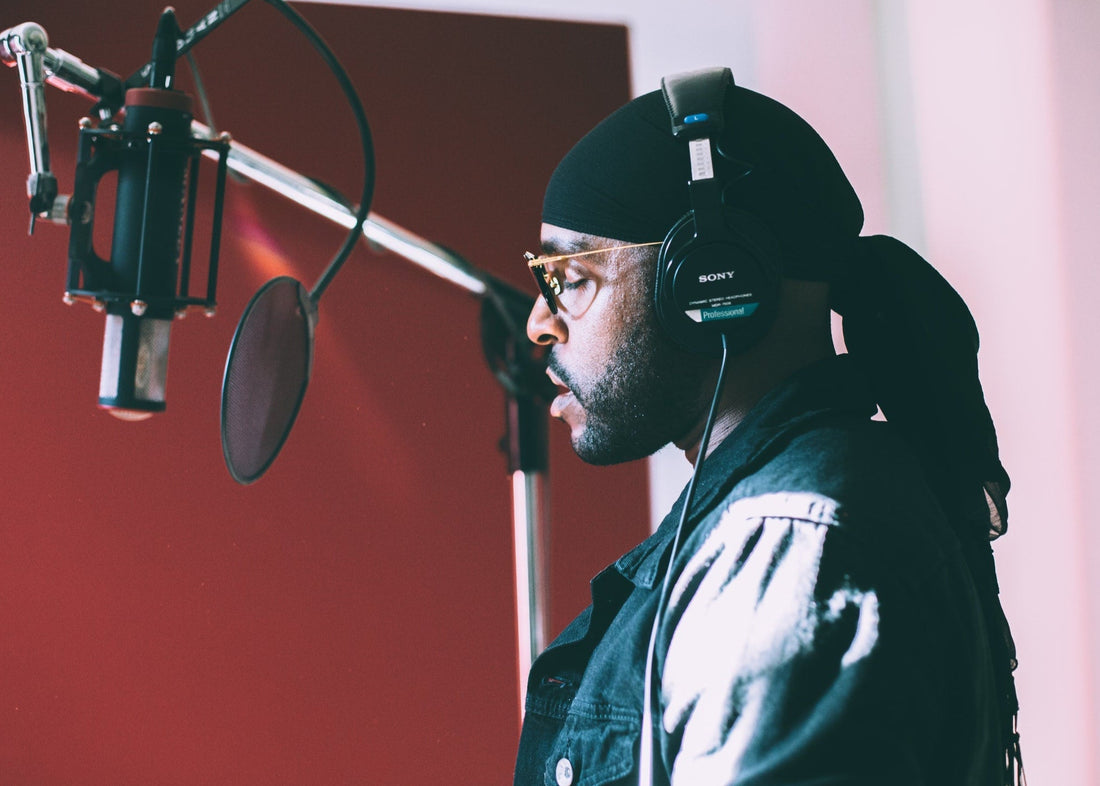
Single-take freestyle recordings are preferred over comped-together perfection. Close mic technique at 3-6 inches creates an intimate proximity effect that makes the vocal feel personal and raw. Imperfections—breath noises, slight pitch wavering, the energy of the moment—become strength.
Artist Vocal Breakdowns
Juice WRLD's Freestyle Melodics
Juice's approach is minimalist processing with maximum emotional impact. His vocal chain prioritizes dynamics.
Settings:
- Auto-Tune retune speed: 10-15ms (creates that signature emotional wobble)
- Minimal compression: 2-3 dB gain reduction on peaks (preserves natural breathing and dynamic range)
- Plate reverb: 1.2-1.5s decay, 25ms predelay, 20-25% wet
- Philosophy: "Let vocals breathe." No heavy compression that kills natural emotion.
His approach works because he's confident enough to let the vocal performance carry the track. One-take recordings, high-to-low dynamic range (quiet emotional verses, explosive hooks), and real-time Auto-Tune interaction with delivery create that signature Juice sound. He's accessible across pop and hip-hop audiences because the emotion is genuine, not processed into submission.
Lil Peep's Lo-Fi Double-Track Approach
Lil Peep's sound is intentionally "muffled," raw, and stereo-widened through layering. It's all built in FL Studio with stock plugins.
Vocal Chain (FL Studio):
- Fruity Parametric EQ 2: soft high-pass filter (clean up sub frequencies), shaped low mids (no muddiness), boosted high-mids for nasal character
- Fruity Compressor: gentle settings for lo-fi character (not squashing dynamics)
- Fruity Reverb: lush, moody (creates massive immersive soundscape)
- Fruity Delay: rhythmic depth
- Pitcher: moderate pitch correction
- Fruity Chorus: most important effect (adds width and stereo character)
Layering Technique:
- Record main lead vocal
- Double-track recorded twice to same verse/hook
- Left panned double: -8dB quieter than main, panned left
- Right panned double: -8dB quieter than main, panned right
- Result: stereo width without losing clarity
Lil Peep's trick: avoid "too clean" sound. Soft high-pass removes unwanted sub frequencies while preserving character. Notch out some low thud. Slightly boost high-mids for that nasal tone. The gritty, raw texture with definition becomes his signature.
XXXTentacion's Dynamic Contrast
X uses a two-approach system: soft melodic vocals and aggressive screams, each with completely different processing.
Melodic Parts (Soft Delivery):
- Compression ratio: 3:1-4:1 (gentle, musical)
- Attack: 10-20ms (preserves transients)
- Release: 40-60ms (allows breathing)
- Gain reduction: 6-8dB on peaks
- Dark plate reverb: 0.8-1.5s decay, 30-50ms predelay
Aggressive Parts (Screams):
- Compression ratio: 6:1-8:1 (tight, controlled)
- Attack: 1-5ms (controls aggression immediately)
- Release: 10-30ms (fast, punchy)
- Gain reduction: 12-15dB on peaks
- Distortion/saturation applied for edge
The power here is contrast. Soft melodic vocals receive subtle Auto-Tune only. Aggressive screams get heavy compression plus distortion. The dynamic range is the signature—it's how you know it's X.
The Kid LAROI & Modern Emo Rap
The Kid LAROI represents the cleaner, more polished evolution of emo rap. Bright, emotional, upfront vocals with a youthful but raw aesthetic.
Processing characteristics:
- Auto-Tune Pro: controlled, transparent tuning (modern approach)
- EQ: focus on clarity and presence
- Compression: smooth, controlled dynamics
- Wide reverb and delay: space and depth for modern hip-hop/pop hybrids
- Formant shaping: maintains youthful tone across the mix
The difference: rawness + polish instead of rawness or polish. This is where emo rap evolved post-2020, especially as it crossed into mainstream pop-rap territory.
The Complete Emo Rap Vocal Chain
Here's the exact signal flow that works for most emo rap production. Apply this foundation, then adjust for your specific artist.
Order of Processing
- High-Pass Filter: Remove sub frequencies below 60-80 Hz. Clean up rumble without losing warmth or proximity bass.
- Pitch Correction (Auto-Tune): Retune speed 10-25ms. Humanize set to 0. Flex-Tune enabled. Modern Mode preferred. Set to vocal key (usually minor for emo rap).
- De-Esser (Optional): Only if sibilance is harsh. Frequency: 5-8 kHz. Threshold: -20 to -24 dB. Keep natural S sounds.
- EQ (First Pass): CUT 200-400 Hz (muddiness). BOOST 2-5 kHz (presence). Gentle high-end boost for air. Use curves, not aggressive peaks.
- Compression (Primary): Ratio 4:1 baseline (range 3:1-6:1). Threshold -18 to -24 dB. Attack 10-30ms. Release 60-120ms. Gain reduction 2-3 dB typical. Use opto-style (LA-2A) for smoothness or VCA for punch.
- Saturation/Distortion (Optional): Tape or tube saturation for warmth. Parallel distortion at 10-20% wet for edge. Touch of character, not extreme effect.
- EQ (Final Pass): Gentle adjustments based on compression results. Don't over-process—emo rap values character over perfection.
- Reverb (Send Effect): Plate or hall reverb, 1.2-1.5s decay, 20-50ms predelay, 20-25% send level. Keeps reverb tail from muddying vocal.
- Delay (Send Effect): Tempo-synced eighth-note or quarter-note delay. Feedback 30-40%. Wet mix 15-25%. Low-pass filter delay to keep it under the vocal.
- Automation (Throughout): Volume automation for dynamic control. Effect automation (reverb/delay amount) for variation. Ride vocal levels naturally.
Understanding Compression for Emo Rap Vocals
Compression is where most producers get emo rap vocals wrong. They either squash the emotional dynamics completely or leave the vocal sounding raw and uncontrolled. The sweet spot requires understanding what compression does to your specific performance.
Why Compression Matters in Emo Rap:
Compression controls peaks without killing the emotional dynamics that make emo rap compelling. The goal isn't to make the vocal perfectly even—it's to catch the hot spots (screams, loud hooks) while letting quiet, emotional sections breathe naturally. A 4:1 ratio at -18 to -24 dB threshold with 10-30ms attack and 60-120ms release is your baseline. This means when the vocal hits the threshold, it gets reduced by a quarter of the amount it exceeded the threshold. A vocal hitting 27 dB over threshold gets brought down to just 6 dB over, smoothing without squashing.
Attack time is critical. 10-30ms lets the transient (the initial attack of the vocal) pass through uncompressed, preserving the punch and articulation of consonants. Zero attack time would crush the transient and make your vocal sound lifeless. Release time at 60-120ms allows the compressor to back off slowly, so the compression feels natural and musical rather than pumpy.
The Parallel Compression Trick:
Many emo rap producers layer an aggressive compressed copy underneath the dry vocal. This parallel path uses heavy compression (maybe 6:1 ratio, 2ms attack, 10ms release) to beef up the vocal while the original stays present. Blend this aggressive copy at 20-30% and you get thickness without losing the original performance. The dry vocal does the emotional work, the compressed copy adds body.
Testing Your Compression:
Set your threshold so the vocal is hitting the compressor on peaks (the louder moments). Listen to whether the compressor is helping or hurting the emotion. If it's making screams sound controlled and hooks punchy while letting verses breathe, you've got it right. If everything sounds squashed or the vocal loses its character, back off the ratio or increase the attack time.
EQ Strategies for Emo Rap Vocals
EQ shapes the character of your emo rap vocals more than most producers realize. It's not about aggressive boosts—it's about gentle, purposeful shaping that supports the emotion.
The Foundational Cut: 200-400 Hz
This frequency range is where muddiness hides. Emo rap vocals often have proximity bass from close mic technique, which adds warmth but can get muddy if not managed. A gentle dip here (maybe 1-3 dB) clears the vocal without losing the intimacy. Think of it as removing the rumble that clouds the clarity, not removing the character.
The Presence Peak: 2-5 kHz
This is where the vocal cuts through the mix. A gentle boost here (2-4 dB) adds presence and clarity without sounding harsh. The amount depends on your vocal—a naturally bright performer might need just 1 dB, while a darker voice might benefit from 4 dB. Sweep across this range while soloing the vocal to find the sweet spot that makes it feel upfront and emotional.
The Air: 12 kHz and Up
A gentle boost above 12 kHz adds air and space, especially important for emo rap vocals that need to feel intimate yet spacious. Start with 1-2 dB and listen. Too much air and the vocal sounds thin or harsh; too little and it feels dull.
Avoiding the Sizzle: 5-8 kHz
This is sibilance territory. If your vocal has harsh "s" sounds, a subtle de-esser at 6 kHz (with a narrow Q) can tame it without audibly affecting the rest of the vocal. Don't over-do this—a little harshness can be part of the raw emo rap character.
DAW-by-DAW Setup
FL Studio (Industry Standard for Trap/Emo Rap)
FL Studio is the default for emo rap production because the workflow is optimized for beat-driven hip-hop and the stock plugins are genuinely capable.
Native Tools Available:
- Fruity Parametric EQ 2: 4-band EQ, excellent for shaping
- Fruity Compressor: smooth, musical compression
- Fruity Reverb: adequate for bedroom and professional work
- Fruity Delay: excellent tempo-synced delay
- Pitcher: basic pitch correction (works for emo rap)
- Fruity Chorus: adds width and character
Workflow:
- Route vocal to mixer track
- Insert Fruity Parametric EQ 2 (high-pass + presence boost)
- Insert pitch correction (Pitcher or third-party Auto-Tune)
- Insert Fruity Compressor (gentle, 3-4:1 ratio)
- Insert saturation (Fruity Soft Clipper or third-party)
- Use Fruity Reverb on send track (1.2s decay, 25ms predelay)
- Use Fruity Delay on send track (tempo-synced eighth note)
- Automate volume and effect levels throughout
Popular third-party plugins for FL Studio emo rap: Serum (tone shaping), FabFilter Pro-Q 3 (EQ precision), Soundtoys Decapitator (saturation/distortion), Valhalla VintageVerb (professional reverb).
Ableton Live
Ableton excels for creative, experimental vocal processing. Warping and resampling capabilities unlock unique vocal manipulation.
Native Tools Available:
- EQ Eight: 8-band EQ for precise shaping
- Compressor: smooth, musical compression
- Reverb: decent built-in reverb
- Delay: excellent tempo-synced delay
- Wavetable: can shape vocal tone
- Sampler: for vocal chopping and effects
Workflow:
- Record vocal to audio track
- Use EQ Eight for tone shaping (high-pass, presence, air)
- Route to Compressor (4:1 ratio, smooth character)
- Add saturation (Operator saturation or third-party)
- Use Audio Effect Rack for parallel compression
- Send to Reverb return (1.2s decay)
- Send to Delay return (eighth-note sync)
- Use automation for dynamic control
Ableton advantage: superior for live performance and experimental effects. Warping allows time-stretching without pitch shift. Granular synthesis opens creative vocal processing. Recommended plugins: FabFilter Pro-Q 3 and Pro-C 2, Soundtoys Decapitator and EchoBoy, Valhalla VintageVerb and ValhallaRoom.
Logic Pro
Logic offers the fastest mixing workflow with professional-grade stock plugins that rival third-party tools.
Native Tools Available:
- Channel EQ: professional 7-band EQ
- Compressor: smooth, musical, highly usable
- Adaptive Limiter: transparent limiting
- Space Designer: convolution reverb (excellent quality)
- Delay Designer: flexible, tempo-synced delay
- Silver Reverb: room reverb option
Vocal Chain Setup:
- Record to stereo track with built-in monitoring
- Insert Channel EQ (high-pass 80Hz, presence boost 2-5kHz, air 12kHz+)
- Insert Compressor (4:1 ratio, 10-30ms attack, 60-120ms release)
- Insert Linear Phase EQ for final shaping
- Use Send 1 for Reverb (Space Designer, 1.2-1.5s)
- Use Send 2 for Delay (Delay Designer, eighth-note sync)
- Add saturation for warmth
Logic advantage: fastest workflow of the three DAWs. Stock plugins rival professional third-party tools. Strong MIDI integration. Excellent for final mixing and polishing.
Vocal Layering for Emo Rap
Emo rap doesn't live in a single vocal track. It lives in the blend.
Standard Layering Structure:
- Lead vocal: center, full volume (0dB)
- Doubles (2-4 tracks): panned L15-R15, -6 to -12dB
- Harmonies (2-6 tracks): wider panning, -12 to -15dB
- Ad-libs (2-5 tracks): creative panning, effects-heavy
- Total track count: 4-15 vocal tracks typical
The Lil Peep method: record main lead, then double-track twice to the same verse/hook. Pan each double -8dB quieter. This creates stereo width without losing clarity. Emo rap producers often use 6-10 vocal layers total because the genre thrives on texture and spaciousness.
Panning matters. Left and right doubles at -8dB create a wide stereo field. Harmonies and ad-libs get wider panning (maybe -30 to +30 on a stereo field). This depth is what makes emo rap vocals sit in a mix like they're surrounding you.
Advanced Vocal Layering Techniques
Basic layering (main + doubles + harmonies) is your foundation, but advanced techniques separate professional emo rap productions from bedroom recordings.
The Octave Doubling Method:
Pitch-shift a copy of your lead vocal down one octave, layer it underneath at -15dB. This adds sub-vocal weight without being obvious. It's especially effective on hooks. The octave-down layer creates a sense of depth that makes the vocal feel more present despite being well below the mix. Use this sparingly—one octave-down layer max, otherwise the effect becomes gimmicky.
The Saturation Layer:
Create a compressed, heavily saturated copy of your vocal and layer it under the dry version at 10-20% wet. This adds grit and aggression to soft sections and screams alike. The saturation layer takes the sterile vocal and adds texture and character. Solo it and you'll hear how aggressive it is; blend it in and it subtly beefs up the vocal without obvious distortion.
The Reverb-Only Layer:
On some emo rap tracks, producers create a return track that's purely reverb (same reverb as the main send) and layer it underneath the dry vocal at 5-10% mix level. This creates a "ghost" of the reverb tail that adds space without the processing feeling obvious. It's particularly effective for creating width on verses.
Panning for Stereo Width Without Losing Center:
Keep your lead vocal centered. Pan doubles L15-R15 (not extreme, not centered). Pan harmonies L30-R30. Pan ad-libs L45-R45 or wider. This creates stereo width while keeping the lead vocal commanding the center of the mix. The listener's focus stays on the lead; the layers add texture on the sides.
Recording Tips for Emotional Delivery
The best vocal preset in the world can't fix a performance that feels disconnected.
Close Mic Technique (3-6 inches): Creates proximity bass effect that makes the vocal feel intimate and personal. The proximity bass—low-frequency boost from being close to the mic—becomes part of the character. Don't filter it out; let it breathe.
Single-Take Freestyle Approach: Juice WRLD's method. Record the whole verse or hook in one take over the beat. The energy and emotion of that moment matter more than technical perfection. Comping multiple lines together loses the vibe.
Whisper Technique for Soft Sections: When the vocal gets emotional and quiet, whisper-sing rather than full-voice. This creates proximity and rawness that's hard to replicate with processing alone.
Room Tone and Ambiance: Don't treat the room as noise. Subtle room tone, the click of the microphone, breath between lines—these become part of the sound. They add life.
Don't Over-Comp Raw Recordings: Leave some inconsistency. The slight pitch wobble, the breath catching, the moment where the voice cracks—these are features in emo rap, not flaws to comp away.
Common Mistakes in Emo Rap Vocal Processing
Even in 2026 with better tools available, these mistakes still trip up producers regularly. Understanding what NOT to do is as important as knowing what to do.
Mistake 1: Over-Compressing the Vocal
Heavy compression (8:1 ratio, 1ms attack, 10ms release) is for trap and drill. Emo rap needs room to breathe. If your vocal sounds like it's being pumped by a compressor, you've gone too far. The compression should be invisible—it should tighten peaks without audibly changing the character. Test by A/Bing with compression on and off. If it's immediately obvious, dial it back.
Mistake 2: Using 0ms Auto-Tune Retune Speed
Zero millisecond retune speed (or anything under 10ms) sounds robotic in emo rap. The vocal snaps to pitch instantly, killing the natural wobble and expressiveness that defines the sound. That characteristic "Juice wobble" at 10-15ms comes from a slightly delayed correction that lets the vocal approach the pitch naturally before Auto-Tune snaps it in. Use 0ms only for intentional robotic effects, not for your main emo rap processing.
Mistake 3: Skipping the Predelay on Reverb
Many beginners add reverb without predelay, and the vocal immediately sits in a washed-out reverb space. Predelay (20-50ms) is the magic setting that keeps your vocal upfront while adding atmosphere. It's the difference between "drowned in reverb" and "spacious and emotional." Always use predelay on reverb for emo rap—it's not optional.
Mistake 4: Not Layering At All
A single vocal track, no matter how well-processed, will never have the width and depth of layered emo rap vocals. At minimum, double-track (record the same line twice). Ideally, create 2-4 doubles and a few harmonies. The layering is where the spaciousness and lushness come from. Solo processing matters, but layering matters more.
Mistake 5: Using Presets Without Understanding Why
A preset labeled "Juice WRLD vocal" might use a 12ms Auto-Tune retune speed, but YOUR voice might sound better at 15ms. A preset with 1.3 second reverb decay might be right for an aggressive vocal but too long for an introspective verse. Presets are starting points, not destinations. Understand the settings and adjust them for your performance and your taste.
FAQ: Emo Rap Vocal Presets and Processing
Q: What vocal preset sounds like Juice WRLD?
A: Juice's sound isn't one preset—it's a chain: Auto-Tune (10-15ms retune speed), minimal compression (2-3 dB gain reduction), plate reverb (1.2-1.5s decay, 25ms predelay, 20-25% wet). The philosophy is "let vocals breathe." No heavy compression. Look for presets labeled "Juice," "melodic rap," "emotional trap," or "freestyle." The key is preserving natural dynamics while adding atmospheric reverb.
Q: How do I set Auto-Tune for emo rap?
A: Retune speed 10-25ms is critical. Not 0ms (too robotic). Not 25ms+ (too clinical). Humanize set to 0. Flex-Tune enabled (allows Auto-Tune to only pull notes as you approach target pitch). Modern Mode over Classic Mode. Set scale to your vocal key (usually minor). That's it. The magic is in that retune speed and Flex-Tune combination.
Q: What reverb settings create the emo rap atmosphere?
A: Plate or hall reverb, 1.2-1.5 second decay, 20-50ms predelay, 20-25% send level. The predelay keeps the dry vocal upfront while reverb blooms behind. 20-25% wet is enough to feel spacious but not drowning. Test with 1.2s first, adjust up to 1.5s if you want more lush atmosphere.
Q: Can I make emo rap vocals in BandLab?
A: Yes. BandLab has built-in effects including reverb, delay, EQ, and compression. The workflow is simpler than a full DAW but the principle is the same: record close to mic, apply reverb (set decay to medium-long), add compression gently, layer doubles. You won't get the precision of a desktop DAW, but you can capture the vibe. Start with the "Reverb Heavy" preset and tweak from there.
Q: How many vocal layers do I need for emo rap?
A: Minimum 4 (lead + 1-2 doubles + 1 harmony or ad-lib). Optimal range is 6-10 layers total. Lil Peep often uses 6-8 vocal tracks. Juice WRLD typically sits with 4-6. The layering creates width and depth. Don't layer just for the sake of it—each layer should add something (width, harmony, texture, ad-lib energy).
Q: What's the difference between emo rap and regular rap vocal processing?
A: Emo rap is reverb-heavy, compression-light, and preserves dynamics and emotion. Regular rap/trap prioritizes clarity, aggressive compression, and forward-in-the-mix vocals. Emo rap uses 10-15ms Auto-Tune retune speed; regular rap uses 0ms or faster. Emo rap lets vocals breathe; regular rap squeezes them. Emo rap embraces imperfections; regular rap comps them away. The philosophy is opposite.
Q: Do I need Auto-Tune for emo rap?
A: Not strictly, but it helps. If you're recording in a minor key and your vocal is pitch-accurate, you can skip Auto-Tune. But most producers add it for the artistic effect—that slight wobble at 10-15ms retune speed is part of the emo rap sound. It's not about fixing pitch; it's about adding character.
Q: What compression settings work for emotional vocals?
A: Ratio 3:1-4:1 for emotional delivery (preserves dynamics). Attack 10-30ms (doesn't squash the transient). Release 60-120ms (allows breathing and natural rhythm). Gain reduction 2-3 dB typical (light touch). Soft knee preferred over hard knee. If you want more aggression (screams), push ratio to 6:1-8:1, attack to 1-5ms, release to 10-30ms. Gentle for emotion, tight for aggression.
Building Your Emo Rap Vocal Preset Library
Once you understand the chain, presets become tools instead of black boxes. Start with the settings above, record several vocal takes, and adjust based on what you hear. Save your working version as a preset. The best preset is one you've tuned for your own voice and your DAW.
For BandLab users starting out, browse the BandLab vocal presets and find ones labeled "reverb heavy" or "melodic." For FL Studio producers, the FL Studio stock plugin vocal preset gives you a complete chain using only built-in effects. Ableton users can grab the stock plugin R&B preset for Ableton as an emo rap starting point — the smooth compression and heavy reverb translate directly.
Regardless of where you start, the chain is what matters. Understand why each step exists, test each parameter, and build something that fits your production style.
The emo rap sound isn't magic—it's emotional vulnerability processed with intention. Get the retune speed right, let your reverb breathe, layer with purpose, and let the performance shine through the processing. That's the formula.
Learn More About Vocal Processing
Ready to deepen your mixing skills? Check out these related resources:
- Stock Plugin Vocal Presets — no third-party plugins required
- Recording Templates — pre-routed sessions ready to record
- What Are Vocal Presets? — understand presets beyond the surface
- Mix Vocals in FL Studio: Complete Guide — deeper FL Studio workflow
- How to Mix Vocals in Ableton Live — Ableton-specific techniques
- Best Vocal Compressor Plugins (2026 Guide) — pick the right compressor tone for emo rap vocals
- Best Free VST Plugins for Vocals (2026) — build an emo rap chain without buying extra plugins
- 10 Ways to Make Vocal Presets Sound Natural — avoid the plastic preset sound
- Make Any Vocal Preset Fit Your Voice — customize presets for your unique tone
- Attack and Release Calculator — dial in compression by math or ear
- Home Vocal Studio Guide: Gear, Room, Workflow — recording foundation
- BandLab Presets for Singing — mobile-first vocal processing